✓ The US handmade market is worth over $44 billion annually.
✓ Online marketplaces like Etsy dominate, but local markets offer direct customer engagement.
✓ Understanding your target audience is crucial for choosing the right selling platform.
✓ Pricing strategies must account for materials, labor, and platform fees.
How It Works
1
Define Your Craft & Niche
Identify what makes your handmade items unique and who your ideal customer is. This clarity guides platform selection and marketing efforts.
2
Research Platforms & Marketplaces
Explore various online and offline venues, comparing fees, audience, and ease of use. Consider where your specific craft will resonate most.
3
Develop a Selling Strategy
Determine your pricing, shipping methods, and marketing approach for each chosen platform. Consistency in branding is key across all channels.
4
Launch & Optimize Your Sales
Set up your shop, list your items with high-quality photos and descriptions, and actively promote your crafts. Continuously analyze performance and adapt.
Navigating Online Marketplaces for Handmade Artistry
Photo: Elias Jara / Pexels
The digital landscape has revolutionized how artisans connect with buyers, offering unparalleled reach and convenience. For anyone asking "where to sell handmade crafts" in the modern era, online marketplaces are often the first and most impactful answer. These platforms provide a ready-made audience of millions, often specifically seeking unique, handcrafted items. However, success isn't just about listing your product; it's about strategic platform selection, compelling presentation, and diligent marketing. Each major platform caters to slightly different niches and offers distinct advantages and disadvantages.
Etsy stands out as the undisputed giant in the handmade goods arena. With millions of active buyers worldwide, it's a powerful launchpad for many crafters. Its strength lies in its brand recognition and its dedicated audience for handcrafted, vintage, and supply items. However, this popularity also means high competition. To succeed on Etsy, sellers must focus on high-quality product photography, detailed and keyword-rich descriptions, excellent customer service, and proactive promotion both on and off the platform. Understanding Etsy's search algorithm and investing in Etsy Ads can also significantly boost visibility. While Etsy offers a vast market, its transaction fees (6.5% + payment processing fees) and listing fees ($0.20 per item) need to be factored into your pricing strategy. For many, Etsy represents the foundational online presence for selling handmade goods.
Beyond Etsy, other platforms offer specialized or broader audiences. Shopify, for example, isn't a marketplace but a robust e-commerce platform that allows you to build your own independent online store. This offers complete control over branding, customer data, and sales policies, but requires you to drive all your own traffic. It's an excellent choice for established brands or those looking to scale their business beyond marketplace limitations. The investment in building and marketing a Shopify store is higher, but the long-term rewards in terms of brand building and profit margins can be substantial. Integrating a blog and utilizing SEO best practices are crucial for attracting organic traffic to a standalone store. Learn more about building your brand as an artisan.
Amazon Handmade is another formidable contender, leveraging Amazon's immense customer base. It's an invite-only section within Amazon, ensuring a curated selection of truly handmade items. While it offers access to millions of Prime members and Amazon's fulfillment services, the fees can be higher (15% referral fee), and the platform's interface might feel less artisan-focused than Etsy. However, for crafters with scalable products and strong branding, Amazon Handmade can unlock a massive, often untapped, market. It's particularly strong for items that might appeal to a broader consumer base beyond traditional craft enthusiasts. Understanding Amazon's stringent seller requirements and shipping logistics is key to success here.
Other niche platforms also exist. ArtFire, for instance, focuses on art and craft supplies, handmade goods, and vintage items, offering a community-centric approach. While smaller than Etsy, it can provide a more intimate selling experience. Zibbet is another option that allows you to manage multiple sales channels from one dashboard, potentially simplifying inventory management if you sell across several platforms. Each of these online avenues presents a unique ecosystem for selling, and the best strategy often involves a combination, leveraging the strengths of each to maximize reach and sales.
Embracing Local Markets and Physical Selling Opportunities
While online sales offer global reach, local markets and physical selling opportunities remain incredibly potent channels for artisans, especially when considering "where to sell handmade crafts" for direct engagement and immediate feedback. There's an undeniable charm and effectiveness in face-to-face interactions, allowing customers to touch, feel, and experience your craft firsthand. This direct connection often translates into stronger brand loyalty and higher perceived value for your unique items.
Craft fairs and art festivals are quintessential venues for handmade sellers. These events, ranging from small community gatherings to large, juried shows, bring together dedicated buyers actively seeking unique creations. The advantages are numerous: direct customer interaction, immediate sales, networking opportunities with other artisans, and invaluable feedback on your products. However, success at craft fairs requires meticulous preparation. This includes developing an attractive booth display that showcases your items effectively, having adequate inventory, processing payments efficiently (a mobile card reader is essential), and engaging with potential customers. Researching local event calendars, understanding vendor fees, and applying early are crucial steps. Juried shows, while more competitive, often attract higher-spending customers and offer greater prestige.
Farmers' markets, while primarily focused on agricultural products, often have sections for local artisans. These markets benefit from consistent foot traffic and a community-minded audience that values local production. While the demographic might differ from a dedicated craft fair, many farmers' market attendees appreciate the handmade ethos and are open to purchasing unique goods. Booth setup here is typically simpler than a large festival, but visibility and clear signage are still important. Seasonal fluctuations and weather dependence are factors to consider, but the lower overhead and regular schedule can make them a reliable sales channel.
Pop-up shops and temporary retail spaces offer a flexible way to test new markets or capitalize on seasonal trends without the commitment of a long-term lease. These can be standalone ventures or collaborations with other local businesses. Imagine setting up a pop-up in a trendy neighborhood for a weekend or partnering with a boutique to display your items for a month. This approach allows for creative merchandising and generates buzz. Marketing these temporary events through social media and local press is vital to attract visitors.
Consignment and wholesale relationships with local boutiques and galleries represent a more passive yet consistent income stream. With consignment, you place your items in a store, and they take a percentage of the sale once an item sells. Wholesale involves selling your items to a store at a reduced price, and they then sell it at retail. Both require strong relationships, clear contracts, and items that align with the store's aesthetic and customer base. This can significantly expand your local reach without requiring your constant presence. Discover how to price your handmade goods for profit in both wholesale and retail scenarios. Building a professional line sheet and having a clear understanding of your production capacity are essential for these partnerships. These physical venues, when combined with a strong online presence, create a robust multi-channel selling strategy that maximizes exposure and sales for your handmade crafts.
Leveraging Social Media and Direct-to-Consumer Channels
In today's interconnected world, the answer to "where to sell handmade crafts" increasingly includes direct-to-consumer (DTC) strategies, heavily amplified by social media. These channels empower artisans to build personal brands, cultivate loyal communities, and retain a larger share of their profits by cutting out many intermediary fees. While requiring more proactive marketing, the rewards in terms of brand control and customer relationships are substantial.
Building your own website and e-commerce store, as mentioned earlier with platforms like Shopify, is the cornerstone of a robust DTC strategy. This is your digital storefront, entirely under your control. It allows for complete customization of your brand's aesthetic, storytelling, and customer experience. With your own site, you can collect customer emails, run targeted promotions, and analyze sales data without platform restrictions. The key challenge here is driving traffic. This necessitates strong Search Engine Optimization (SEO) practices, engaging content creation (blog posts, videos), and active promotion across all your other channels. A well-designed website with high-quality product photos and compelling descriptions is non-negotiable for converting visitors into buyers.
Social media platforms have evolved far beyond simple sharing; they are powerful selling tools. Instagram, with its visual-first approach, is a natural fit for handmade crafts. High-quality photos and videos showcasing your creative process, finished products, and behind-the-scenes glimpses can captivate an audience. Utilizing features like Instagram Shopping, Reels, and Stories can directly drive sales. Facebook also offers robust selling capabilities through Facebook Shops, Marketplace, and dedicated groups for handmade goods. Pinterest acts as a visual search engine, where users actively look for inspiration and products, making it ideal for driving traffic to your website or Etsy shop. TikTok, while newer, has proven incredibly effective for viral marketing and showcasing unique processes, reaching a younger, highly engaged audience. Each platform requires a tailored content strategy, but consistency in branding and messaging is paramount.
Email marketing, often overlooked, is one of the most effective DTC channels. By collecting email addresses through your website, pop-up shops, or social media, you build a direct line of communication with interested buyers. Newsletters can announce new product launches, offer exclusive discounts, share your creative journey, and nurture customer relationships. This is a highly personal way to connect and has a significantly higher conversion rate than many other marketing efforts. Building an email list is an investment in your long-term business success.
Finally, partnering with influencers or other small businesses can expand your reach within the DTC model. Collaborations, giveaways, or sponsored posts with individuals whose audience aligns with your craft can introduce your products to new potential buyers. This strategy requires careful selection of partners to ensure authenticity and a genuine connection with their followers. By diversifying your direct-to-consumer efforts, you create multiple touchpoints for customers to discover and purchase your unique handmade crafts, building a sustainable and profitable business.
Essential Tips for Maximizing Your Handmade Craft Sales
Selling handmade crafts successfully involves more than just creating beautiful items; it requires a strategic approach to presentation, pricing, and promotion. Whether you're just starting or looking to scale, these essential tips will help you navigate the competitive landscape and maximize your sales.
**1. Master Your Product Photography:** In both online and offline settings, visuals are paramount. For online sales, high-quality, well-lit photos from multiple angles are crucial. Use natural light, a clean background, and consider lifestyle shots that show your product in use. For physical markets, ensure your items are displayed appealingly, with good lighting in your booth. Blurry, dark, or poorly composed photos are a major deterrent to sales.
**2. Develop a Robust Pricing Strategy:** This is often the most challenging aspect for artisans. Your price must cover material costs, labor (don't undervalue your time!), overhead (platform fees, booth fees, marketing), and a profit margin. Research competitor pricing, but don't undersell yourself. Consider different pricing tiers for various products. Clearly articulate the value of your handmade items to justify your price.
**3. Craft Compelling Product Descriptions:** Beyond just listing features, tell a story. What inspired the piece? What materials did you use? What makes it unique? Use keywords that potential customers might search for online. For physical sales, be ready to tell this story verbally and have small tags with key information.
**4. Provide Exceptional Customer Service:** Prompt, friendly, and helpful communication builds trust and encourages repeat business. Respond quickly to inquiries, handle issues gracefully, and go the extra mile. A positive customer experience leads to great reviews, which are invaluable for attracting new buyers.
**5. Build a Strong Brand Identity:** Your brand is more than just a logo; it's the overall feeling and experience associated with your crafts. Choose consistent colors, fonts, and messaging across all your platforms (website, social media, packaging, business cards). A strong brand makes your items recognizable and memorable.
**6. Diversify Your Sales Channels:** Don't put all your eggs in one basket. As discussed, combine online marketplaces with your own website, social media, and local events. This hedges against changes in platform policies and expands your reach to different customer segments.
**7. Engage with Your Audience:** Be active on social media, respond to comments, and ask questions. Build a community around your craft. At markets, engage with visitors, offer demonstrations, and share your passion. This personal connection is a unique advantage of selling handmade items.
**8. Invest in Packaging:** Thoughtful packaging enhances the unboxing experience and protects your items during shipping. It's another opportunity to reinforce your brand. Even for in-person sales, a nice bag or tissue paper elevates the perceived value.
**9. Track Your Sales and Analytics:** Understand what's selling well, where your traffic is coming from, and what marketing efforts are most effective. Use data from your website, Etsy shop, or even simple spreadsheets for craft fairs to make informed decisions and refine your strategy.
**10. Continuously Learn and Adapt:** The market for handmade goods is always evolving. Stay updated on trends, new platforms, and marketing techniques. Attend workshops, read industry blogs, and connect with other artisans. Flexibility and a willingness to experiment are key to long-term success.
Comparison
Feature
Etsy
Shopify (Own Store)
Craft Fairs
Audience Reach
Millions (global)
Self-generated (global potential)
Local/Regional (direct)
Control & Branding
Limited
Full control
Full (booth design)
Fees/Costs
Listing + Transaction (%)
Monthly subscription + transaction (%)
Booth fees + travel
Setup Difficulty
Easy
Moderate-High
Moderate (display, inventory)
Customer Interaction
Messaging
Email/Chat
Direct (face-to-face)
Marketing Effort
Moderate (SEO, ads)
High (all self-driven)
Moderate (pre-event promotion)
Scalability
Good
Excellent
Limited by time/location
What Readers Say
★★★★★
"Before finding this guide, I was overwhelmed by where to sell handmade crafts. The breakdown of Etsy vs. Shopify really helped me understand my options and choose the right path for my ceramic art. My sales have doubled since I implemented their tips!"
Sarah J. · Austin, TX
★★★★★
"I've been doing craft fairs for years, but this article opened my eyes to the potential of Amazon Handmade. The advice on photography and pricing was spot-on, and I'm now reaching a whole new customer base."
Mark D. · Portland, OR
★★★★★
"As a jewelry maker, understanding where to sell handmade crafts effectively is key. This guide provided practical steps for leveraging Instagram and email marketing, leading to a 30% increase in direct website sales within two months."
Emily R. · Brooklyn, NY
★★★★★
"The information on local markets was very helpful for my woodworking business. While some of the online platform details were a bit advanced for my current stage, the emphasis on branding and customer service is universally valuable."
David L. · Denver, CO
★★★★★
"I was hesitant about selling online, but this article demystified the process. It gave me the confidence to set up my Etsy shop for my custom textiles, and the tips on product descriptions made a huge difference in attracting buyers."
Jessica M. · Miami, FL
Frequently Asked Questions
What is the best online platform where to sell handmade crafts for beginners?
For beginners, Etsy is often the most recommended platform. Its user-friendly interface, established audience of craft buyers, and relatively low startup costs make it an ideal starting point. It allows you to test the waters and gain experience in online selling before potentially expanding to other channels.
Is it better to sell handmade crafts online or at local markets?
The best approach is often a combination of both. Online platforms offer broad reach and convenience, while local markets provide direct customer interaction, immediate feedback, and the chance to build community connections. Diversifying your sales channels helps mitigate risks and maximizes exposure.
How do I price my handmade crafts fairly and profitably?
A common formula is (Materials Cost + Labor Cost) x 2 to 3, then add any platform fees. Labor cost should account for your hourly rate and time spent. Always research competitor pricing for similar items, but ensure your price reflects the unique value, quality, and time invested in your handmade goods.
What are the typical fees associated with selling handmade crafts online?
Fees vary by platform. Etsy charges a $0.20 listing fee per item and a 6.5% transaction fee, plus payment processing fees. Amazon Handmade has a 15% referral fee. Shopify involves a monthly subscription fee plus a transaction fee if not using Shopify Payments. Always factor these into your pricing.
How does Amazon Handmade compare to Etsy for selling unique items?
Amazon Handmade offers access to Amazon's massive customer base, often including Prime shipping benefits, but has a more stringent application process and higher fees. Etsy is more focused on the handmade community, has lower initial fees, and is generally easier to get started on. Your choice depends on your target audience and scale.
Who should consider selling handmade crafts directly from their own website?
Artisans who are serious about building a long-term brand, desire full control over their customer data and branding, and are willing to invest time in marketing and SEO should consider their own website. It's ideal for established businesses or those looking to scale beyond marketplace limitations.
What are the common mistakes to avoid when selling handmade crafts?
Common mistakes include underpricing your work, using poor-quality product photos, neglecting customer service, failing to market your creations effectively, and not diversifying your sales channels. Avoiding these pitfalls can significantly boost your success and profitability.
What future trends might impact where to sell handmade crafts?
Future trends include the continued growth of social commerce (selling directly through platforms like Instagram and TikTok), increased demand for sustainable and ethically sourced materials, personalization options, and the rise of augmented reality (AR) for virtual product try-ons. Adapting to these trends will be crucial.
Armed with this comprehensive guide on where to sell handmade crafts, you're now ready to turn your passion into profit. Explore the diverse opportunities, choose the channels that best suit your unique creations, and start connecting with customers who cherish the beauty of handmade artistry.

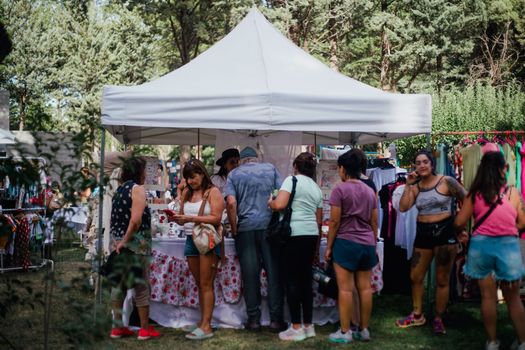 Photo: Elias Jara / Pexels