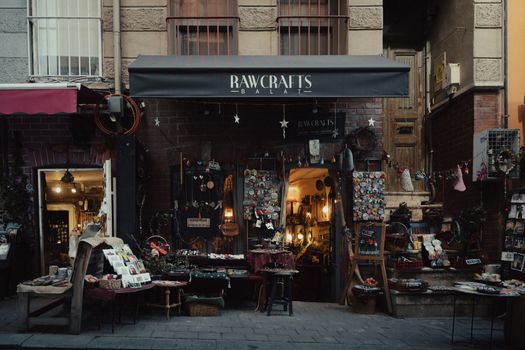
Where to Sell Handmade Crafts Online: Your Ultimate Guide
where to sell handmade crafts online

Where to Sell Handmade Crafts Online: Your Ultimate Guide

Unlock your craft business potential by finding the perfect online marketplace to showcase and sell your unique creations.

Find Your Platform Now

Key Takeaways

  • ✓ The US online craft market is a multi-billion dollar industry with continuous growth.
  • ✓ Choosing the right platform significantly impacts your reach, fees, and brand perception.
  • ✓ Etsy remains dominant, but specialized and independent platforms offer unique advantages.
  • ✓ Understanding fees, audience, and marketing tools is crucial for long-term success.

How It Works

1
Define Your Niche & Audience

Before choosing a platform, identify what makes your crafts unique and who your ideal customer is. This clarity will guide your platform selection and marketing efforts.

2
Research & Compare Platforms

Dive deep into the features, fees, audience demographics, and seller tools offered by various online marketplaces. Look for alignment with your brand and business goals.

3
Set Up Your Online Shop

Create compelling product listings with high-quality photos, detailed descriptions, and clear pricing. Optimize your shop's appearance and branding to attract buyers.

4
Market & Grow Your Business

Utilize social media, SEO, and email marketing to drive traffic to your shop. Engage with your customers, gather feedback, and continuously refine your offerings.

Navigating the Online Market for Handmade Goods in the US

The digital landscape has revolutionized how artisans, crafters, and makers connect with buyers, transforming what was once a local hobby into a global business opportunity. For anyone asking themselves where to sell handmade crafts online, the answer isn't singular but a rich tapestry of platforms, each with its unique strengths and weaknesses. The US market, in particular, offers a vibrant and diverse audience eager for unique, handcrafted items. Understanding this ecosystem is the first critical step toward building a successful online craft business. Gone are the days when craft fairs and local boutiques were the only avenues for sales. Today, your potential customer base spans the entire nation, accessible right from your studio or home workshop. This accessibility, however, also brings increased competition, making strategic platform selection paramount. Choosing the right platform goes beyond just finding a place to list your items. It's about aligning your brand, your product type, your target audience, and your business goals with a marketplace that supports your vision. Are you looking for a broad audience with minimal setup, or do you prefer a niche market with more control over your branding? Do you want to build a standalone brand, or are you comfortable being part of a larger community? These are crucial questions that will shape your journey. Factors like transaction fees, listing fees, marketing tools, customer support, and ease of use all play significant roles in your profitability and overall experience. A platform might boast millions of users, but if its fee structure eats into your margins or its audience isn't interested in your specific craft, it might not be the best fit. Conversely, a smaller, more specialized platform could offer a higher conversion rate and a more engaged community, despite having fewer overall visitors. Furthermore, consider the long-term implications. Some platforms offer robust analytics and SEO tools that can help you understand your customers better and optimize your listings for search engines. Others might integrate seamlessly with social media, allowing you to amplify your marketing efforts. The ability to scale, manage inventory, and handle shipping efficiently are also practical considerations that can make or break your online venture. This guide aims to demystify the options available, providing a clear roadmap for US-based artisans to confidently choose the best online platform for their handmade goods. We'll explore the giants, the specialized niches, and the independent solutions, empowering you to make an informed decision that fosters growth and success for your creative endeavors.

Top Online Marketplaces for Handmade Crafts

When considering where to sell handmade crafts online, several platforms immediately come to mind, each catering to slightly different needs and offering distinct advantages. The most prominent player in this space is undoubtedly Etsy. Launched in 2005, Etsy has become synonymous with handmade and vintage goods, boasting millions of active buyers worldwide, with a significant concentration in the US. Its strength lies in its massive, dedicated audience actively searching for unique items. Setting up a shop is relatively straightforward, and Etsy provides a suite of seller tools, including analytics, advertising options, and shipping label integration. However, its popularity also means high competition, and sellers must pay listing fees, transaction fees, and payment processing fees, which can add up. Despite the fees and competition, Etsy remains a top choice for many due to its brand recognition and built-in customer base. Beyond Etsy, Amazon Handmade presents a formidable alternative, especially for those looking to tap into Amazon's colossal customer base. Amazon Handmade is an invite-only or application-based marketplace within Amazon, ensuring that only genuinely handmade products are sold. This exclusivity means less competition from mass-produced items and a higher perceived value for customers. Sellers benefit from Amazon's robust fulfillment and shipping options, and the trust associated with the Amazon brand. However, the application process can be rigorous, and the fees are generally higher than Etsy's, often including a referral fee per sale. It's a powerful platform for professional artisans ready to scale their operations and meet high customer expectations. Another compelling option is Shopify, though it operates differently from Etsy or Amazon Handmade. Shopify is not a marketplace but an e-commerce platform that allows you to build your own independent online store. This gives you complete control over your branding, design, customer data, and sales policies. While it requires more effort in terms of marketing and driving traffic to your site, the benefit is that you retain a larger portion of your sales revenue, as there are no transaction fees (beyond payment processor fees) or listing fees. Shopify is ideal for artisans who want to build a strong, recognizable brand and prefer not to be reliant on a third-party marketplace's rules and algorithms. It offers extensive customization options, apps for almost any business need, and scalability for growth. For those serious about building a long-term, independent craft business, Shopify provides the ultimate foundation. Each of these platforms, while distinct, offers a viable path to selling your handmade crafts online, and the best choice often depends on your business stage, technical comfort, and marketing strategy.

Exploring Niche Marketplaces and Independent Selling Strategies

While the behemoths like Etsy and Amazon Handmade dominate the conversation about where to sell handmade crafts online, a wealth of niche marketplaces and independent strategies offer unique advantages, especially for artisans targeting specific audiences or seeking more control. These alternatives can provide a less saturated environment, fostering stronger community connections and potentially higher profit margins due to lower fees or direct sales. For instance, platforms like ArtFire or Zibbet position themselves as alternatives to Etsy, offering similar functionalities but often with different fee structures or a slightly varied seller community. While they may not have the same traffic volume as Etsy, they can be excellent for diversifying your sales channels or for crafters who find the mainstream platforms too competitive or restrictive. It’s always wise to explore these options, as a smaller platform with a highly engaged audience for your specific craft can yield better results than getting lost in the shuffle of a larger one. Beyond direct competitors, consider platforms tailored to specific craft categories. For artists selling fine art, Saatchi Art or UGallery might be more appropriate, offering a curated environment that aligns with the perceived value of their work. For crafters specializing in digital goods like patterns or printables, platforms like Creative Market or Gumroad are excellent choices. These specialized sites often attract buyers specifically looking for those types of products, leading to higher conversion rates and a more appreciative audience. The key is to research where your specific niche audience congregates online and meet them there. This targeted approach can be far more effective than broadly casting a net on a general marketplace. Furthermore, don't overlook the power of building your own presence through social media and a personal website. Instagram, with its visual focus, is an incredibly powerful tool for showcasing handmade crafts. By consistently posting high-quality images and engaging with followers, artisans can build a loyal community that translates into sales. Many successful crafters use Instagram as their primary marketing channel, directing traffic to their Shopify store or even taking direct orders through DMs. Facebook Marketplace and local Facebook groups can also be surprisingly effective for local sales, especially for larger items or custom orders that benefit from local pickup. The beauty of these independent strategies is the direct connection you build with your customers, fostering brand loyalty and allowing for more personalized service. Combining a strong social media presence with a well-designed personal website (perhaps powered by Shopify or Squarespace) gives you ultimate control, allowing you to dictate your brand story, set your own rules, and build a sustainable business free from marketplace limitations. This multi-channel approach often proves to be the most robust and resilient strategy for selling handmade crafts online in the US, allowing you to leverage the strengths of various platforms while mitigating their individual weaknesses. Diversifying your sales channels is a smart move for any creative entrepreneur.

Maximizing Your Sales: Tips, Tools, and Common Pitfalls to Avoid

Once you've decided where to sell handmade crafts online, the real work begins: optimizing your shop for sales and avoiding common mistakes that can hinder your success. Success in the online craft market isn't just about having great products; it's about presentation, strategy, and continuous improvement. Here are crucial tips and pitfalls to navigate: **Tips for Success:** * **High-Quality Product Photography:** This is non-negotiable. Your photos are your storefront. Invest in good lighting (natural light is often best), clear backgrounds, and multiple angles. Show your product in use or on a model to help customers visualize it. Professional-looking photos build trust and significantly increase conversion rates. * **Compelling Product Descriptions:** Don't just list features; tell a story. Describe the materials, the process, the inspiration, and the benefits. Use keywords relevant to your craft to improve search engine visibility. Be clear about dimensions, care instructions, and customization options. * **Strategic Pricing:** Research competitor pricing, but also factor in your material costs, labor, overhead, and platform fees. Don't undersell your work. Value your time and skill. Consider tiered pricing for customization or variations. * **Excellent Customer Service:** Respond promptly to inquiries, be transparent about shipping times, and handle returns or issues gracefully. Positive reviews are gold and build your reputation. Go above and beyond to create a memorable customer experience. * **Leverage SEO and Tags:** On marketplace platforms, use all available tag and keyword fields effectively. Think like a customer: what would they search for? On your own website, implement basic SEO practices to rank higher in Google searches. * **Utilize Social Media:** Actively promote your shop on platforms where your target audience spends time. Use engaging visuals, behind-the-scenes content, and interact with your followers. Consider running targeted ads. * **Build an Email List:** Offer a small discount or exclusive content for signing up. Email marketing is one of the most effective ways to nurture leads and announce new products or sales. **Common Pitfalls to Avoid:** * **Poor Photography:** Blurry, dark, or cluttered photos are instant turn-offs and will lead to missed sales. * **Incomplete or Generic Descriptions:** If customers can't find the information they need, they'll move on. Avoid vague language. * **Underpricing Your Work:** This devalues your craft and burns you out. Your passion project needs to be sustainable. * **Ignoring Customer Feedback:** Negative feedback, while tough, can be a valuable learning opportunity. Address concerns professionally. * **Lack of Marketing:** Simply listing your items isn't enough. You need to actively drive traffic to your shop. * **Inconsistent Branding:** Ensure your shop's aesthetic, voice, and product quality are consistent across all platforms and communications. * **Ignoring Shipping Logistics:** Clear shipping policies, accurate costs, and reliable delivery are crucial. Unexpected shipping fees or long delays are major deterrents. By focusing on these strategies and sidestepping common errors, you can significantly enhance your online presence and turn your passion for handmade crafts into a thriving, profitable business.

Comparison

FeatureEtsyAmazon HandmadeShopify (Self-Hosted)
Target AudienceHandmade/Vintage seekersGeneral Amazon shoppersYour specific audience
Setup DifficultyEasyModerate (application)Moderate (technical skill)
Fees (approx.)Listing $.20, 6.5% trans. + payment proc.15% referral fee (min $1)Monthly sub. ($29+), payment proc.
Brand ControlLimitedLimitedFull
Marketing EffortMedium (some built-in)Low (Amazon traffic)High (you drive traffic)
ExclusivityNoYes (handmade only)N/A
ScalabilityGoodExcellentExcellent

What Readers Say

"Figuring out where to sell handmade crafts online was overwhelming, but this guide broke down Etsy and Shopify so clearly. I started with Etsy and my sales have tripled in 6 months!"

Sarah J. · Austin, TX

"As a woodworker, I was hesitant about online sales. This resource helped me understand Amazon Handmade's benefits, and now my custom furniture pieces are reaching a much wider US audience."

Mark D. · Portland, OR

"I used to only sell at local fairs. After reading about where to sell handmade crafts online, I set up a Shopify store, and last month I hit my first $1,000 in online sales. It's truly transformative!"

Emily R. · Miami, FL

"The article provided a solid overview. While I still find the fees on some platforms a bit high, the advice on photography and descriptions has been invaluable for my jewelry business."

David L. · Denver, CO

"I appreciated the comparison of niche marketplaces. I found a perfect fit for my specialized textile art, which gets less visibility on the larger sites. Very helpful for unique crafters!"

Jessica M. · Boston, MA

Frequently Asked Questions

What is the best platform where to sell handmade crafts online for beginners?

For beginners, Etsy is often recommended due to its large, established audience specifically looking for handmade goods, and its relatively easy shop setup process. While fees exist, its brand recognition and built-in marketing features make it a great starting point to test the waters and gain experience.

Are platform fees worth it when selling handmade crafts online?

Platform fees are generally worth it if the platform provides access to a large, relevant audience and useful seller tools that you wouldn't otherwise have. While they cut into your profit, the exposure and reduced marketing effort can significantly outweigh the costs, especially for smaller businesses or those without an existing customer base.

How do I ship handmade crafts safely and affordably?

To ship safely, use appropriate packaging materials like bubble wrap, foam, and sturdy boxes. For affordability, compare rates from USPS, FedEx, and UPS; consider using their online postage services which often offer discounts. Always include tracking and consider insurance for valuable items. Many platforms also offer discounted shipping labels.

What are the typical costs associated with selling handmade crafts online?

Typical costs include listing fees (per item or subscription), transaction fees (percentage of sale), payment processing fees (for credit card transactions), and potentially advertising costs. If you run your own website, you'll have domain, hosting, and platform subscription fees. Don't forget material and labor costs in your pricing.

Is it better to sell on a marketplace or create my own website for handmade crafts?

Both have merits. Marketplaces offer immediate audience access but less brand control and higher fees. Your own website (e.g., Shopify) provides full brand control and higher profit margins per sale, but requires more effort in driving traffic. Many successful crafters use a hybrid approach, leveraging a marketplace for exposure while directing loyal customers to their own site.

Who should consider selling handmade crafts on Amazon Handmade?

Amazon Handmade is best suited for professional artisans who produce high-quality, genuinely handmade items, are comfortable with Amazon's ecosystem, and are ready to scale. It's ideal for those seeking to tap into Amazon's massive customer base and benefit from its robust fulfillment options, often catering to customers looking for premium items.

How can I protect my intellectual property when selling crafts online?

Protecting your intellectual property involves several steps: use watermarks on your product photos, clearly state your copyright on your website and listings, consider registering trademarks for your brand name or logo, and understand copyright laws for your designs. If you suspect infringement, most platforms have reporting mechanisms.

What are the emerging trends for selling handmade crafts online in the US?

Emerging trends include increased demand for sustainable and ethically sourced materials, personalized and custom-made items, growth in live shopping events on social media, and the importance of strong brand storytelling. Augmented reality (AR) features for product visualization and simplified checkout processes are also gaining traction.

Ready to turn your passion into profit? The information on where to sell handmade crafts online is just the beginning. Choose the platform that best fits your vision, apply these strategies, and watch your creative business flourish in the vibrant US online market.

Topics: where to sell handmade crafts onlinesell crafts online UScraft selling platformsonline craft marketplaceartisan business online
Leo List
Brampton weed
Adultwork