Where to Find Local Art Workshops: Unleash Your Inner Artist
where to find local art workshops

Where to Find Local Art Workshops: Unleash Your Inner Artist

Unlock your artistic potential and enrich your life by discovering the perfect local art workshop.

Find Your Workshop Now

Key Takeaways

  • ✓ Community art centers are primary hubs for local art workshops, offering diverse classes.
  • ✓ Online platforms and social media groups are increasingly vital for discovering local opportunities.
  • ✓ Networking with local artists and visiting art fairs can uncover hidden workshop gems.
  • ✓ Many workshops cater to all skill levels, from absolute beginners to advanced practitioners.

How It Works

1
Identify Your Artistic Interest

Before searching, consider what art form excites you most – painting, pottery, drawing, digital art? This focus will guide your search effectively.

2
Utilize Online Search Tools

Employ specific search terms like 'art classes [your city/state]' or 'pottery workshops near me' on Google, Yelp, and specialized art directories.

3
Explore Local Community Resources

Check websites and physical bulletin boards of local community centers, libraries, and art galleries for workshop listings and schedules.

4
Connect with the Art Community

Attend local art events, follow local artists and studios on social media, and ask for recommendations to discover reputable workshops.

Uncovering Local Art Classes and Community Centers
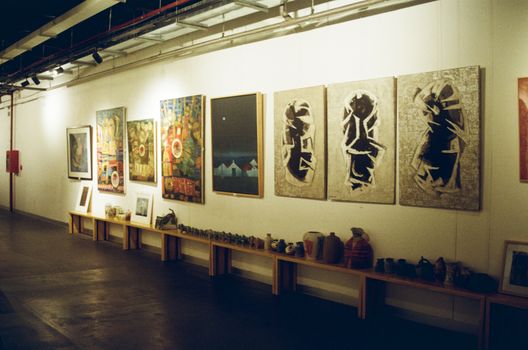
Explore a vibrant art exhibit in an indoor gallery showcasing modern pieces in Hồ Chí Minh City. Photo: Spencer Lee / Pexels
Embarking on a journey to find local art workshops often begins with exploring the vibrant ecosystem of community art centers and local art schools. These institutions are the bedrock of artistic education in many towns and cities across the US, offering an astonishing array of classes suitable for every age and skill level. They are designed to be accessible, fostering a welcoming environment where creativity can flourish without intimidation. Think of your local community art center as a treasure trove; often, they have comprehensive catalogs of classes ranging from foundational drawing and painting to more specialized disciplines like ceramics, printmaking, sculpture, and even digital art. Their mission typically revolves around enriching the community through arts education, making them an excellent starting point for anyone asking, "where to find local art workshops?" To effectively navigate these resources, begin by searching online for "community art center [your city/town]" or "art school [your region]." Most centers maintain up-to-date websites detailing their current offerings, schedules, pricing, and instructor bios. Pay attention to class descriptions – do they align with your interests? Are they suitable for beginners, intermediates, or advanced artists? Many centers also offer introductory workshops or open studio sessions, which are perfect low-commitment ways to dip your toes into a new medium before committing to a longer course. Don't overlook the value of physical visits; stopping by a community center can provide a feel for the atmosphere, allow you to view student work, and even chat with staff or instructors directly. This personal interaction can often yield insights that a website cannot, helping you gauge if the environment is right for your artistic aspirations. Beyond formal centers, local libraries often host free or low-cost art workshops, particularly for children and teens, but sometimes for adults too. These are fantastic for casual exploration or for those on a tight budget. Similarly, parks and recreation departments in many municipalities offer creative programs as part of their broader community engagement. These might be seasonal, outdoor painting classes, or craft workshops tailored to specific holidays. Keep an eye on their seasonal brochures or online listings. The advantage of these local, publicly funded options is their emphasis on community building and affordability, making art education accessible to a wider demographic. Engaging with these resources is not just about learning a skill; it's about connecting with your local community and discovering shared passions. For those looking to dive deeper into specific art forms, exploring specialized studios focused on a single medium can also be incredibly rewarding. Many of these studios, like dedicated pottery or glassblowing studios, offer unique workshop experiences that you won't find in more general community centers. Remember to check for student exhibitions or open house events at these locations, as they can be great opportunities to see the quality of instruction and the work produced by students. Discover more ways to engage with local arts and find the perfect creative outlet for you.

Leveraging Online Platforms and Social Media for Discovery
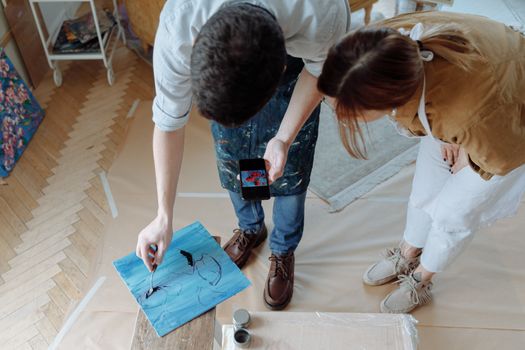
Art students painting together indoors, capturing creativity and learning in a studio setting. Photo: Thirdman / Pexels
In today's interconnected world, the internet is an indispensable tool for anyone asking where to find local art workshops. Beyond traditional brick-and-mortar institutions, a vast and dynamic landscape of online platforms and social media groups exists, dedicated to connecting aspiring artists with local opportunities. Your first port of call should be a strategic use of search engines. Instead of generic terms, try highly specific phrases like "painting workshops [your specific neighborhood]" or "sculpture classes [your county]." This precision helps filter out irrelevant national listings and focuses on truly local options. Google Maps is also incredibly powerful; a quick search for "art studios near me" will often display a geographical overview of potential venues, complete with contact information, reviews, and sometimes even class schedules directly on their business profiles. Beyond general search engines, specialized platforms and directories are invaluable. Websites like Eventbrite, Meetup, and even Airbnb Experiences (which often feature local art and craft workshops as unique activities) are excellent resources. These platforms allow you to filter by location, date, price, and category, making it easy to discover one-off workshops, short courses, or ongoing classes. Many local artists and small studios use these sites to promote their offerings, reaching a broader audience than they might through their own websites alone. Don't underestimate the power of reviews on these platforms; they can offer honest insights into the quality of instruction, the studio environment, and the overall experience from previous attendees. Social media has also emerged as a powerful discovery engine. Facebook Groups dedicated to local arts and crafts, community events, or specific neighborhoods are teeming with information. Join groups like "[Your City] Artists & Makers" or "[Your Town] Community Events" and keep an eye out for workshop announcements. Instagram is another visual goldmine; many local artists and studios post beautiful photos and videos of their classes and student work. Follow local art hashtags (e.g., #yourcityart, #yourtowncreatives) and accounts of local galleries or individual artists. Engaging with these posts can lead to direct connections and early access to new workshop offerings. Furthermore, don't shy away from posting your own inquiry in these groups; a simple "Looking for pottery workshops in [my area] – any recommendations?" can often yield a wealth of personalized suggestions from fellow community members. The digital realm offers unparalleled access to a constantly updated stream of local art opportunities, making it easier than ever to discover the perfect place to hone your skills or try something entirely new.

Connecting with Local Artists and Galleries for Unique Opportunities
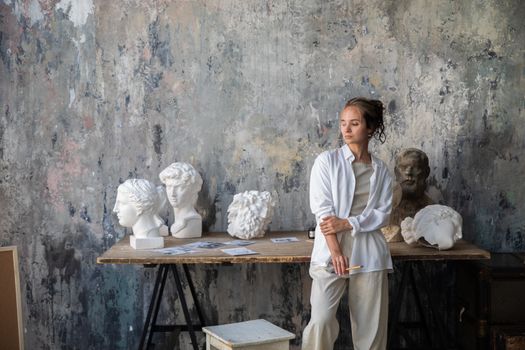
Artist in a studio surrounded by classical sculptures and artworks. Photo: KATRIN BOLOVTSOVA / Pexels
While community centers and online platforms offer broad access, some of the most enriching and unique art workshop experiences can be found by directly engaging with the local art scene itself. Artists and independent galleries are often at the forefront of innovative instruction, offering specialized workshops that reflect their unique styles and expertise. To tap into this network, start by visiting local art galleries. Many galleries, especially smaller, independent ones, don't just display art; they often host workshops led by the artists they represent or by other talented local creators. Look for flyers, inquire with gallery staff, or check their websites for a 'workshops' or 'events' section. These workshops can be particularly valuable as they often provide a deeper dive into specific techniques or conceptual approaches directly from practicing professionals. You might discover a master class in a particular painting style or a specialized workshop on a niche craft that isn't typically offered elsewhere. Attending local art fairs, festivals, and open studio tours is another excellent strategy for finding hidden gems. These events are fantastic opportunities to meet artists face-to-face, view their work, and discuss their creative processes. Many artists who exhibit at fairs also teach workshops out of their personal studios or collaborate with local venues. A casual conversation at a booth could lead to an invitation to a small, intimate workshop that provides personalized instruction. Open studio tours, where artists open their private workspaces to the public, are especially insightful. Not only do you get a glimpse into an artist's environment, but they often use these occasions to promote upcoming classes or even offer demonstrations. Don't be afraid to ask artists directly if they teach or know of local teaching opportunities; the art community is often very supportive and willing to share information. Building a network within the local art community can also lead to word-of-mouth recommendations, which are often the most trusted and valuable. Engage with local art organizations, attend artist talks, or even volunteer at an art event. The more you immerse yourself, the more likely you are to hear about exclusive or less-advertised workshops. Some artists prefer to teach in small groups out of their home studios, offering a highly personalized and focused learning experience that you won't find advertised widely. These opportunities often come through personal connections. By actively participating in the local art world, you're not just finding a workshop; you're becoming part of a community, opening doors to continuous learning and creative growth. Remember, the journey of finding the perfect workshop is as much about exploration and connection as it is about structured searching. Explore local art events for unique inspiration and connect with the vibrant creative scene around you.

Maximizing Your Workshop Experience: Tips and Common Mistakes
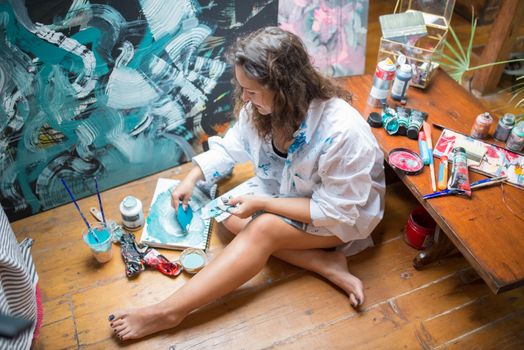
A woman artist painting abstract blue artwork indoors, surrounded by art supplies. Photo: Kampus Production / Pexels
Once you've identified potential local art workshops, preparing adequately and avoiding common pitfalls will significantly enhance your learning experience. One crucial tip is to thoroughly read the workshop description. This seems obvious, but many participants overlook details about required materials, prerequisite skills, or what you're expected to accomplish. Knowing if you need to bring your own supplies or if they are provided can impact your budget and preparation. Similarly, understanding the skill level targeted (beginner, intermediate, advanced) ensures you're in the right class, preventing frustration from being overwhelmed or under-challenged. Another vital tip is to communicate with the instructor before the workshop, especially if you have specific learning goals or concerns. A quick email can clarify expectations, confirm materials, or help you understand the flow of the class. This proactive approach shows your commitment and allows the instructor to better tailor their guidance, even subtly. During the workshop, embrace the learning process. Don't be afraid to make mistakes; they are an integral part of artistic growth. Ask questions, experiment with techniques, and engage with your fellow students. The collaborative environment of a workshop often provides invaluable peer feedback and inspiration. Common mistakes to avoid include overthinking your initial skill level – many workshops are designed for absolute beginners, so don't let self-doubt hold you back. Another error is arriving unprepared, whether that means forgetting materials or not having a clear idea of what you hope to gain. Rushing through projects or being overly critical of your initial attempts can also detract from the experience. Remember, workshops are about exploration and learning, not necessarily producing a masterpiece on your first try. Finally, don't be afraid to step outside your comfort zone. If you usually paint, try a pottery workshop. New mediums can spark unexpected creativity and broaden your artistic horizons. By being prepared, open-minded, and engaged, you'll maximize the value of your local art workshop experience and truly foster your artistic development. **Key Tips for a Great Workshop Experience:** * **Read Descriptions Carefully:** Understand skill level, materials, and learning objectives. * **Communicate Proactively:** Reach out to the instructor with questions or concerns. * **Embrace Mistakes:** View errors as learning opportunities, not failures. * **Engage Actively:** Ask questions, participate, and interact with peers. * **Be Open to Newness:** Try different mediums or styles to expand your skills. **Common Mistakes to Avoid:** * **Underestimating Skill Level:** Don't let inexperience deter you; many classes are for beginners. * **Arriving Unprepared:** Ensure you have all necessary materials or information. * **Being Overly Critical:** Focus on the process of learning, not just the final product. * **Isolating Yourself:** Leverage the community aspect for feedback and inspiration. * **Sticking to the Familiar:** Challenge yourself with new art forms.

Comparison

FeatureCommunity Art CentersIndependent Studios/ArtistsOnline Platforms (Eventbrite, Meetup)
Variety of ClassesVery High (diverse mediums)Medium (specialized)High (variable by listing)
Cost-EffectivenessOften affordable, scholarships availableVaries greatly, can be premiumVaries, often competitive
Accessibility (Beginner-Friendly)Excellent for all levelsGood, some specializedGood, depends on listing
Personalized AttentionMedium (larger classes)High (smaller classes)Varies by instructor/class size
Community BuildingHigh (structured programs)Medium (informal)Medium (event-specific)
Ease of DiscoveryGood (dedicated websites)Medium (word-of-mouth, social)Excellent (searchable, filters)
Flexibility (Schedule)Structured coursesCan be flexible, one-offsHigh (many one-time events)

What Readers Say

"I used to wonder where to find local art workshops, but the advice here led me straight to a fantastic pottery studio. The instructor was amazing, and I've already signed up for another session!"

Sarah J. · Austin, TX

"This guide helped me discover a hidden gem of a watercolor class at our community center. It's been incredibly therapeutic and a great way to meet new people with shared interests."

Mark D. · Portland, OR

"After reading this, I tried searching local Facebook groups and found an incredible abstract painting workshop. I finally feel like I'm making progress with my art and have a vibrant new community."

Emily R. · Denver, CO

"The tips for connecting with local artists were spot on. While I haven't joined a workshop yet, I've made some great connections and feel much more integrated into the local art scene."

Carlos M. · Miami, FL

"I was looking for something unique and found an incredible glass blowing workshop through an independent studio, thanks to the advice on checking specialized venues. It was an unforgettable experience!"

Jessica L. · Seattle, WA

Frequently Asked Questions

What's the best way to find local art workshops if I'm a complete beginner?

For complete beginners, start by searching for 'introductory art classes [your city]' at community art centers or local libraries. These often have structured curricula designed to teach foundational skills in a supportive, non-intimidating environment. Look for classes explicitly labeled 'beginner' or 'all levels welcome'.

Are local art workshops usually expensive?

The cost of local art workshops can vary widely. Community centers and libraries often offer the most affordable options, sometimes even free. Independent studios or specialized workshops taught by established artists might be more expensive, reflecting the expertise and smaller class sizes. Always check what materials are included in the price.

How can I find workshops for specific art forms like pottery or printmaking?

To find workshops for specific art forms, use targeted search terms like 'pottery workshops near me,' 'printmaking classes [your city],' or 'glassblowing studio [your state]'. Also, look for dedicated studios that specialize in that particular medium, as they are likely to offer a wider range of classes and equipment.

What should I look for in a good art workshop instructor?

A good art workshop instructor is not only skilled in their craft but also an effective communicator and patient teacher. Look for instructors who provide constructive feedback, foster a positive learning environment, and encourage individual expression. Online reviews and direct conversations can help gauge their teaching style.

Are online art classes a good alternative to local workshops?

Online art classes can be a great alternative, especially for learning specific techniques or if local options are limited. They offer flexibility and access to instructors worldwide. However, local workshops provide hands-on guidance, immediate feedback, access to specialized equipment (like kilns), and the invaluable social connection of a physical community.

Who should consider attending a local art workshop?

Anyone with an interest in creativity, regardless of age or experience level, should consider attending a local art workshop. They are perfect for beginners looking to try a new hobby, experienced artists wanting to refine specific skills, or individuals seeking a creative outlet and community connection.

Is it safe to attend workshops in private studios?

Attending workshops in private studios is generally safe, especially if the instructor is reputable and the studio is well-established. Always do your research: check reviews, ask for recommendations, and ensure the space is professional and well-maintained. Trust your instincts; if something feels off, look for another option.

What are the emerging trends in local art workshops?

Emerging trends in local art workshops include a rise in sustainable art practices (e.g., eco-printing, upcycled art), digital art workshops (e.g., Procreate, digital painting), and workshops that combine art with mindfulness or wellness. There's also a growing interest in traditional crafts and heritage skills, like natural dyeing or weaving.

Ready to ignite your artistic passion and connect with your local creative community? Utilize the strategies outlined in this guide to discover where to find local art workshops that perfectly match your interests and skill level. Your journey to artistic fulfillment begins now – embrace the brush, the clay, or the canvas, and let your creativity flow!

Topics: where to find local art workshopscommunity art classesart studios near mecreative workshopslearn art skills
Leo List

DK Escorts LU Escorts AT Escorts SE Escorts FI Escorts CH Escorts DE Escorts HR Escorts IE Escorts GR Escorts CZ Escorts NO Escorts BE Escorts FR Escorts SI Escorts IL Escorts NL Escorts PL Escorts HU Escorts ES Escorts IT Escorts PT Escorts SK Escorts RO Escorts ZA Escorts UY Escorts US Escorts UK Escorts NZ Escorts AU Escorts
Brampton weed
Adultwork EstrelaBet Vai de Bet R7 Bet Betão Galera Bet Rainbet Bet9ja Shop SportyBet BetKing Sisal Loto Foot Hollywoodbets YesPlay Odibets RushBet Jugabet BetWarrior BetCity MSport betPawa Fortebet