What is Street Art Culture? A Deep Dive into Urban Expression
what is street art culture

What is Street Art Culture? A Deep Dive into Urban Expression

Uncover the dynamic world of street art, a powerful form of public expression transforming cities and challenging conventions.

Explore Urban Canvas

Key Takeaways

  • ✓ Street art originated from graffiti, evolving into diverse forms like murals, stenciling, and sticker art.
  • ✓ It often serves as a form of social commentary, political protest, or community beautification.
  • ✓ The legality of street art is a complex and often debated topic, varying by location and context.
  • ✓ Street art has gained significant recognition in the mainstream art world, with works displayed in galleries and fetching high prices.

How It Works

1
Observe & Engage

Walk through urban areas with an open mind, actively looking for and appreciating the art that adorns walls, sidewalks, and public spaces. Engage with the narratives and aesthetics presented.

2
Understand Context

Research the artists, the messages, and the historical background of specific pieces or movements. Understanding the context deepens appreciation for the art's intent and impact.

3
Support & Preserve

Support street artists through legal means, like purchasing prints or attending exhibitions, and advocate for the preservation of significant works. Recognize its value as cultural heritage.

4
Participate Responsibly

If inspired to create, do so legally and ethically, seeking permissions or utilizing designated public art spaces. Contribute positively to the urban artistic landscape.

The Roots of Urban Expression: A Historical Perspective
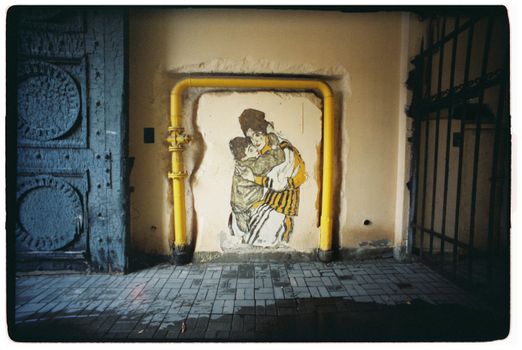
Street art mural framed by industrial pipes and a rustic gate indoors. Photo: Elena Golovchenko / Pexels
To truly understand what is street art culture, one must journey back to its rebellious origins. Born from the disenfranchised voices of the 1960s and 70s, particularly in New York City, early street art was synonymous with graffiti. Tags, throw-ups, and elaborate pieces adorned subway cars and city walls, primarily as a means of marking territory, gaining recognition, and expressing identity within marginalized communities. This initial phase, often associated with vandalism, laid the groundwork for a broader artistic movement. Artists like Taki 183 and Cornbread became legends, their names etched into the urban fabric and into the annals of art history. The tools were simple: spray paint cans, markers, and an unwavering desire to be seen and heard. This raw, unfiltered expression was a direct response to societal neglect, a visual outcry against the concrete jungle that often ignored its inhabitants. It was a clandestine art form, created under the cover of night, driven by passion and a sense of urgency. The evolution from mere tagging to complex, colorful murals showcased a burgeoning artistic talent that transcended its illicit nature. Over time, the technical skills advanced, and the ambition of the artists grew, pushing the boundaries of what was considered 'art.' The sheer volume and visibility of graffiti forced the public and art critics alike to acknowledge its presence, even if grudgingly. This contentious beginning is crucial for comprehending the spirit that still imbues much of street art today: a defiance of traditional art institutions and a commitment to public accessibility. The transition from pure graffiti to what we now broadly term 'street art' involved a conscious shift towards more pictorial and narrative forms, often incorporating stencils, posters, and even sculptures. This expansion of mediums and messages allowed street art to address a wider array of themes, moving beyond personal notoriety to encompass social commentary, political protest, and community engagement. The historical context reveals a continuous struggle for legitimacy and recognition, a battle fought on the very walls of our cities. It highlights the inherent tension between art and property, freedom of expression and public order. This dynamic tension remains a defining characteristic of the street art world, shaping its practices and public reception. Understanding these historical layers is essential for anyone seeking to grasp the depth and complexity of urban art movements.

Diverse Forms and Techniques: The Expanding Canvas of Street Art
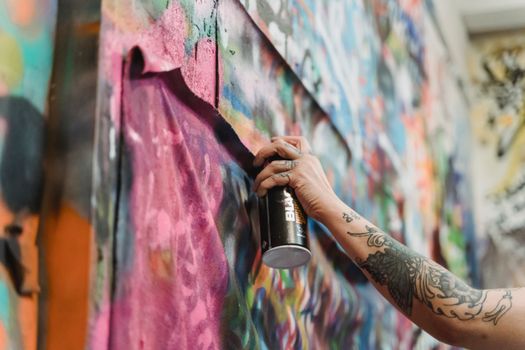
Close-up of tattooed hand spray painting a colorful graffiti wall. Vibrant urban art scene. Photo: Felicity Tai / Pexels
One of the most compelling aspects of what is street art culture is its incredible diversity in forms and techniques. Far from being a monolithic entity, street art encompasses a vast array of artistic expressions, each with its own methodology, aesthetic, and impact. While spray paint remains a quintessential tool, the modern street artist employs an extensive palette of materials and approaches. Stenciling, popularized by artists like Banksy, allows for rapid deployment of intricate images and text, often carrying sharp political or social messages. These stencils, created off-site and then applied quickly, enable artists to evade detection and disseminate their work widely. Wheatpasting involves adhering printed posters or images to walls using a simple flour-and-water paste, offering another quick and versatile method for large-scale imagery. This technique is often used for elaborate graphics, photographic prints, or even political propaganda, transforming ordinary surfaces into temporary galleries. Sticker art, or 'slaps,' provides a more subtle, yet equally pervasive, form of street intervention. Small, often humorous or provocative, stickers are placed in unexpected locations, creating micro-installations that engage passersby on a more intimate level. Mosaic art, yarn bombing (knitted or crocheted graffiti), and even temporary installations using found objects further demonstrate the boundless creativity within the street art community. Murals, perhaps the most publicly celebrated form, often involve large-scale, intricate paintings that transform entire building facades. These are frequently commissioned or created with permission, bringing a sense of community pride and aesthetic enhancement to neighborhoods. Unlike illicit graffiti, murals often aim for permanence and widespread public appeal, serving as landmarks and cultural touchstones. Each technique brings its own set of challenges and opportunities, influencing the message and the longevity of the artwork. The choice of medium is often dictated by the artist's intent, the desired impact, and the legal constraints of the location. This continuous innovation and embrace of new methods ensure that street art remains a dynamic and ever-evolving field, constantly pushing the boundaries of what is possible in public spaces. The sheer breadth of artistic approaches is a testament to the ingenuity and resourcefulness of street artists, who adapt to their environment and utilize whatever resources are available to make their voices heard. This expansive toolkit allows street art to be both immediate and enduring, ephemeral and monumental, reflecting the complex and multifaceted nature of urban life itself. It's this continuous experimentation that keeps the art form fresh and relevant, captivating new audiences and inspiring new generations of artists.

Social Commentary and Cultural Impact: More Than Just Walls
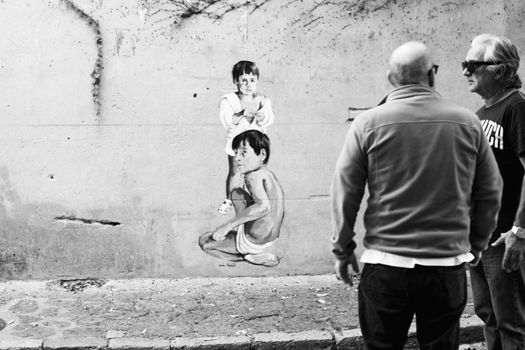
Artistic street scene with mural and people admiring, captured in monochrome. Photo: Jan Kroon / Pexels
Beyond its visual appeal, what is street art culture at its core is a powerful vehicle for social commentary and cultural impact. Unlike art confined to galleries, street art is inherently democratic, accessible to everyone regardless of economic status or artistic education. This public accessibility gives it an unparalleled ability to spark dialogue, challenge norms, and reflect the pulse of a community. Artists often use walls as their canvases to address pressing social issues: poverty, inequality, political corruption, environmental degradation, and human rights. A poignant mural depicting the struggles of immigrants, a stencil protesting government policies, or a piece celebrating local heroes can profoundly shape public perception and encourage critical thinking. These artworks serve as visual manifestos, offering perspectives that might otherwise be absent from mainstream media or public discourse. Street art can also be a vital tool for community building and identity formation. In many neighborhoods, murals tell stories of local history, celebrate cultural heritage, or commemorate significant events and individuals. They can transform neglected spaces into vibrant, meaningful places, fostering a sense of pride and belonging among residents. The act of creating street art, particularly collaborative murals, can bring diverse groups of people together, transcending social barriers and fostering collective action. The ephemeral nature of some street art also adds to its impact. A piece that appears overnight, makes its statement, and then fades or is removed, carries a sense of urgency and immediacy. It forces viewers to engage with the present moment, to consider the message before it disappears. This impermanence can paradoxically make the art more memorable and impactful, highlighting the transient nature of urban life and the constant flux of ideas. The cultural impact extends to the mainstream art world as well. What was once dismissed as vandalism is now increasingly celebrated in museums, auction houses, and academic discourse. Artists who honed their skills on the streets are now exhibiting globally, challenging traditional notions of art and authorship. This recognition, while sometimes controversial among purists, signifies a broader cultural acceptance and an acknowledgment of street art's artistic merit and profound influence. Understanding this deep connection between art, society, and public space is paramount to grasping the true essence of contemporary art movements that resonate within urban environments.

Navigating the Legal Landscape and Ethical Considerations
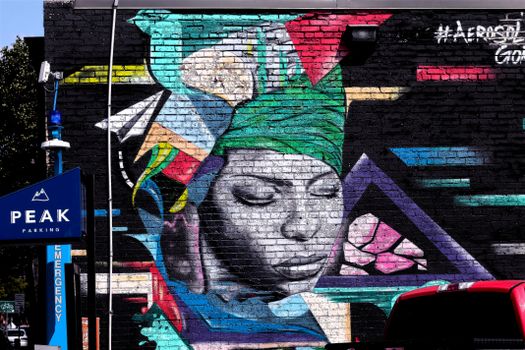
Vibrant mural of a woman on a brick wall showcasing modern street art style. Photo: Terrance Barksdale / Pexels
The legal and ethical dimensions are integral to understanding what is street art culture. This art form constantly grapples with issues of property rights, public space, and freedom of expression, creating a complex and often contradictory environment for artists and the public alike. The fundamental tension lies between the desire for uninhibited artistic expression and the legal frameworks that govern private and public property. **Key Considerations:** * **Legality vs. Illegality:** A significant portion of street art is created without permission, falling into the category of vandalism or graffiti. This illicit nature is, for many artists, part of the rebellious spirit of the movement. However, it carries legal risks, including fines, community service, or even jail time. Conversely, commissioned murals or art created in designated public art zones are entirely legal and often celebrated. * **Permission vs. Intervention:** The debate often centers on whether art needs permission to exist in public spaces. Proponents of 'art intervention' argue that public walls are a legitimate canvas for public discourse and artistic expression, regardless of ownership. Others contend that all art on private or public property requires consent. * **Ephemeral vs. Permanent:** The temporary nature of much street art is part of its charm. Pieces can be painted over, cleaned off, or decay naturally. This raises ethical questions about preservation and whether certain works should be protected, even if initially illegal. * **Gentrification and Commercialization:** As street art gains popularity, it can inadvertently contribute to gentrification, making areas more desirable and driving up property values, sometimes displacing original residents. Furthermore, the commercialization of street art, where artists' styles are appropriated by brands or galleries, raises questions about authenticity and exploitation. * **Artist Intent vs. Public Perception:** An artist's message might be clear to them, but how it's perceived by the public can vary widely. What one person sees as art, another might view as offensive or unsightly. This subjective interpretation adds another layer of complexity to the ethical landscape. Navigating these issues requires a nuanced understanding of local laws, community values, and the artist's intent. Many cities are developing programs to foster legal street art, recognizing its cultural value while trying to manage its impact on urban environments. The discussion around legality and ethics is ongoing, reflecting the dynamic and often challenging nature of street art itself.

Comparison

FeatureTraditional GraffitiModern Street ArtPublic MuralsGallery Art
Primary MotivationTagging, notoriety, rebellionSocial commentary, aesthetic, expressionCommunity beautification, narrativeAesthetic appreciation, investment
Legality StatusMostly illegal (vandalism)Often illegal, some permittedMostly legal (commissioned)Always legal (private property)
AccessibilityHigh (urban public spaces)High (urban public spaces)High (prominent public walls)Limited (galleries, museums)
Tools/MediumsSpray paint, markersSpray paint, stencils, wheatpasteSpray paint, brushes, scaffoldingDiverse (canvas, sculpture, digital)
Ephemeral Nature✓ (often removed/painted over)✓ (can be temporary)✗ (intended permanence)✗ (intended permanence)

What Readers Say

"Understanding what is street art culture completely transformed my walks through the city. I now see every wall as a potential canvas and every piece as a story waiting to be told. It's truly a living, breathing art form."

Alex P. · Brooklyn, NY

"This article provided such a comprehensive look into street art. I appreciate how it delved into the historical context and the different techniques, making me feel much more informed about urban art movements."

Maria S. · Los Angeles, CA

"As an aspiring artist, learning about what is street art culture has opened my eyes to new forms of expression. The discussion on social commentary particularly resonated with me, inspiring me to think about art's impact."

David L. · Chicago, IL

"While I loved the depth of information, I wish there were more examples of specific artists mentioned. Still, it's an incredibly insightful piece that broadened my appreciation for street art beyond just pretty pictures."

Sophia K. · Portland, OR

"The section on the legal and ethical considerations was particularly helpful. It clarified many of my questions about how street art operates within public spaces, offering a balanced perspective on a complex topic."

Ethan R. · Austin, TX

Frequently Asked Questions

What is the primary difference between graffiti and street art?

While street art evolved from graffiti, the primary difference lies in intent and form. Graffiti traditionally focused on stylized lettering, tagging, and personal notoriety, often illegal. Street art encompasses a broader range of visual art forms (stencils, murals, wheatpaste) with a stronger emphasis on social commentary, aesthetic appeal, and often, though not always, a move towards public acceptance or permission.

Is all street art illegal?

No, not all street art is illegal. While a significant portion is created without permission, leading to its classification as vandalism, many street artists now create legal pieces. This includes commissioned murals, artworks on designated public art walls, or installations created with property owner consent. The legality varies widely by city, state, and specific context.

How can I support street artists and the culture?

You can support street artists and the culture by attending exhibitions of street art, purchasing prints or merchandise directly from artists, following and promoting their work on social media, and advocating for public art initiatives in your community. If you are a property owner, consider commissioning a mural or offering a legal wall for artists to use.

What is the economic value of street art?

The economic value of street art is multifaceted. While illegal street art has no direct market value, renowned street artists like Banksy have seen their works fetch millions at auction, highlighting its growing recognition in the fine art market. Legal murals can also boost local tourism and property values, contributing economically to urban areas. The value lies in both its cultural impact and its emerging commercial viability.

How does street art compare to traditional gallery art?

Street art differs from traditional gallery art primarily in its context and accessibility. Gallery art is typically created for private display, often within exclusive institutions, and is subject to market forces and critical gatekeepers. Street art is created for public consumption, is freely accessible, and often engages directly with its urban environment, challenging the traditional art establishment's boundaries and definitions.

Who should engage with street art culture?

Anyone interested in urban environments, social commentary, visual arts, and community engagement should engage with street art culture. It offers a unique lens through which to understand contemporary societal issues, local histories, and the raw, unfiltered creativity of artists operating outside conventional systems. It's for curious minds and those who appreciate art beyond museum walls.

Are there risks associated with creating street art?

Yes, there are significant risks associated with creating unauthorized street art, including legal consequences like arrest, fines, and criminal charges for vandalism. There are also physical risks from working in public spaces, often at night, and the potential for conflict with property owners or law enforcement. Legal street art, however, minimizes these risks significantly.

What future trends are expected in street art?

Future trends in street art are likely to include increased integration of digital technologies like augmented reality (AR) to add interactive layers to physical artworks. We can also expect a continued focus on environmental activism and social justice themes, the rise of more ephemeral and conceptual installations, and further blurring of lines between sanctioned public art and unsanctioned urban interventions. International collaboration will also likely grow.

Immerse yourself in the vibrant world of urban expression. Understanding what is street art culture opens your eyes to a dynamic art form that challenges, inspires, and transforms our cities. Start your journey of discovery today and see your urban landscape with new eyes.

Topics: what is street art cultureurban art movementgraffiti art historypublic art expressionstreet art significance
Leo List
Brampton weed
Adultwork