What is Contemporary Art? A Deep Dive for Beginners
what is contemporary art

What is Contemporary Art? A Deep Dive for Beginners

Unravel the complexities and vibrant expressions of contemporary art, making it accessible to every curious mind.

Explore Contemporary Art Now

Key Takeaways

  • ✓ Contemporary art generally refers to art made from the 1960s/70s to the present day.
  • ✓ It is characterized by its diversity in materials, methods, concepts, and subjects.
  • ✓ Contemporary art often challenges traditional art forms and societal norms.
  • ✓ It frequently engages with social, political, and cultural issues of its time.

How It Works

1
Understand the Timeline

Contemporary art follows modern art, typically starting in the late 20th century. This distinction is crucial for context.

2
Embrace Diverse Media

Expect to see everything from painting and sculpture to video, performance, and installation art. Boundaries are constantly pushed.

3
Look for Conceptual Depth

Often, the 'idea' behind the artwork is as important, if not more so, than its aesthetic appeal. Research the artist's intent.

4
Engage with the Context

Contemporary art is deeply intertwined with current events and societal discussions. Understanding the cultural backdrop enhances appreciation.

Defining Contemporary Art: Beyond the Chronological

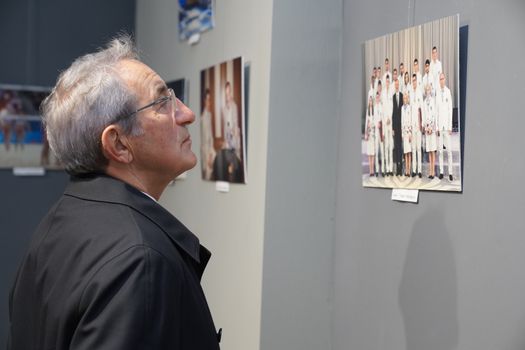
Two individuals standing side-by-side, attentively viewing framed art on a gallery wall. Photo: cottonbro studio / Pexels
The phrase "what is contemporary art" often sparks immediate debate, primarily because its very definition is fluid and continuously evolving. While chronologically, it refers to art created from roughly the 1960s or 1970s up to the present day, a purely temporal definition falls short of capturing its true essence. Unlike art historical periods that are neatly boxed by specific styles or movements, contemporary art is characterized by its radical diversity, its willingness to challenge established norms, and its profound engagement with the socio-political landscape. It is less about a singular style and more about an attitude – an ongoing conversation with the present moment and a fearless exploration of new ideas, materials, and technologies. This period marks a significant departure from the foundational principles of modern art, which, despite its own revolutionary spirit, often maintained a focus on aesthetic purity, formal innovation, and the artist's individual genius. Contemporary art, in contrast, frequently blurs the lines between art and life, often inviting viewer participation and questioning the very nature of artistic production and consumption. It’s a realm where the boundaries of traditional art forms are not just pushed, but often completely dismantled. Artists working today draw inspiration from an unprecedented array of sources – global cultures, scientific advancements, digital technologies, and pressing social issues like climate change, identity politics, and economic inequality. This expansive approach means that a contemporary artwork might be a painting, a sculpture, a video installation, a performance piece, a digital creation, or even an ephemeral experience designed to provoke thought rather than simply please the eye. The interpretative journey for the viewer is often as significant as the artwork itself, requiring an open mind and a willingness to engage with complex themes. To truly grasp contemporary art, one must move beyond a search for conventional beauty and instead look for meaning, provocation, and dialogue. It's a mirror reflecting our complex world, often holding up uncomfortable truths or celebrating overlooked perspectives. This era celebrates individuality and pluralism, acknowledging that there isn't one 'correct' way to make or interpret art. Instead, it thrives on the multiplicity of voices and visions, creating a vibrant and sometimes bewildering tapestry of human expression. Understanding this inherent fluidity is the first step towards appreciating its profound impact.

Key Characteristics and Enduring Themes

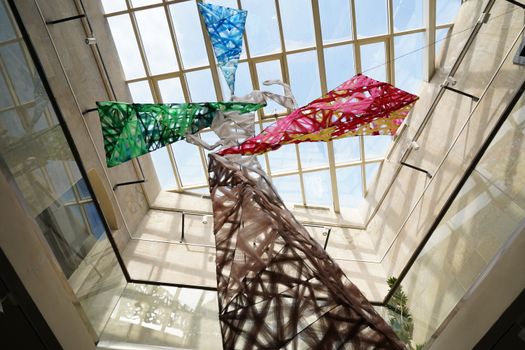
A captivating view of a geometric blue dome ceiling with hanging installations in Antalya. Photo: Engin Akyurt / Pexels
Delving deeper into what is contemporary art reveals a rich tapestry of characteristics that distinguish it from previous art movements. One of its most defining features is its embrace of conceptualism. Often, the idea or message behind the artwork takes precedence over its aesthetic form or material value. This means an artwork might be visually simple, but its underlying concept is profoundly complex, inviting intellectual engagement from the viewer. For instance, an artist might use everyday objects to comment on consumerism, or create a seemingly abstract piece that explores the intricacies of human emotion. This emphasis on concept often necessitates research and an open mind on the part of the audience, moving beyond passive observation to active interpretation. Another hallmark is the unprecedented diversity of media employed. Contemporary artists are not bound by traditional painting or sculpting; they utilize everything from video, photography, performance art, and digital media to found objects, textiles, and even biological materials. This experimental approach allows for an expansive range of expression and enables artists to choose the most effective medium to convey their message. The blurring of artistic disciplines is also common, with artists often combining elements of visual art, music, theater, and literature to create multi-sensory experiences. Furthermore, contemporary art is deeply engaged with its socio-political context. Artists frequently tackle pressing global issues such as environmental degradation, human rights, globalization, technology's impact, and identity politics. This often makes contemporary art a powerful tool for social commentary and activism, provoking dialogue and challenging viewers to confront uncomfortable truths. It’s not uncommon for art to directly address issues of race, gender, sexuality, and class, giving voice to marginalized communities and questioning dominant narratives. The relationship between the artwork, the artist, and the audience is also highly dynamic in contemporary art. Many pieces are interactive, inviting viewer participation to complete the artwork or influence its outcome. This participatory aspect breaks down the traditional barrier between creator and observer, making the experience more immersive and personal. Moreover, contemporary art often challenges the very institutions that house it – museums, galleries, and the art market itself. Artists may critique commercialism, question curatorial practices, or create site-specific installations that respond directly to their environment, further complicating the traditional art viewing experience. These characteristics collectively make contemporary art a vibrant, challenging, and endlessly fascinating field, demanding active engagement and critical thinking from all who encounter it.

Understanding the Evolution: From Modern to Contemporary

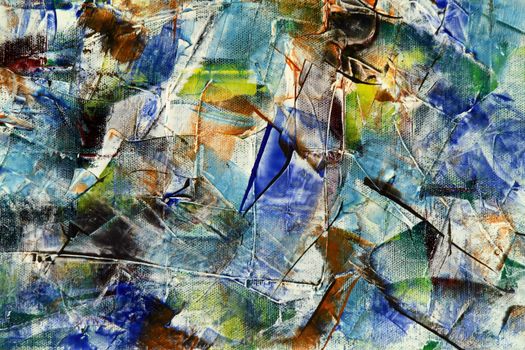
Bold abstract painting with blue and pink textured layers creating a dynamic expressionist art piece. Photo: Steve A Johnson / Pexels
To truly appreciate what is contemporary art, it’s essential to understand its lineage and how it diverged from its predecessor, modern art. While the terms are often used interchangeably in casual conversation, art historians draw a crucial distinction. Modern art, broadly spanning from the 1860s to the 1960s, was characterized by a radical break from classical traditions, embracing abstraction, experimentation with form and color, and a focus on the artist's subjective experience. Movements like Impressionism, Cubism, Surrealism, and Abstract Expressionism defined this era, each pushing the boundaries of what art could be. However, even with its revolutionary spirit, modern art largely maintained a reverence for the art object itself – the painting, the sculpture – as a unique, often collectible item. The mid-20th century, particularly the post-World War II period, marked a pivotal transition. The trauma of war, the rise of mass media, consumerism, and globalized culture began to shift artistic concerns. Artists started questioning the very purpose and definition of art, moving away from purely aesthetic and formal concerns towards more conceptual and societal engagements. Pop Art, emerging in the 1950s and 60s, is often seen as a bridge, incorporating elements of popular culture and mass production, directly challenging the high-art/low-art divide. This paved the way for the radical shifts that would define contemporary art. The advent of new technologies, particularly video and performance art, allowed for ephemeral and time-based works that defied traditional notions of permanence and ownership. Conceptual art, which emerged strongly in the 1960s, prioritized the idea over the object, sometimes resulting in works that were simply written instructions or documentation. This was a profound departure from modernism's emphasis on the crafted object. Furthermore, contemporary art embraced a global perspective, moving beyond the predominantly Western-centric focus of modernism. Artists from Asia, Africa, Latin America, and other regions gained international recognition, bringing diverse cultural perspectives and artistic practices to the forefront. This global dialogue enriched the art world, fostering a pluralistic environment where multiple narratives and aesthetic approaches could coexist. The rise of identity politics also heavily influenced contemporary art, as artists began to explore themes of gender, race, sexuality, and post-colonialism, often using their work to challenge established power structures. This engagement with social and political issues became a defining characteristic, differentiating it from modernism's often more inward-looking or formally driven explorations. In essence, while modern art broke free from the past, contemporary art actively interrogates the present and speculates on the future, constantly redefining its own parameters and its relationship to the world. A helpful resource for exploring specific movements can be found at major art movements.

Navigating Contemporary Art: Tips for the Curious Viewer

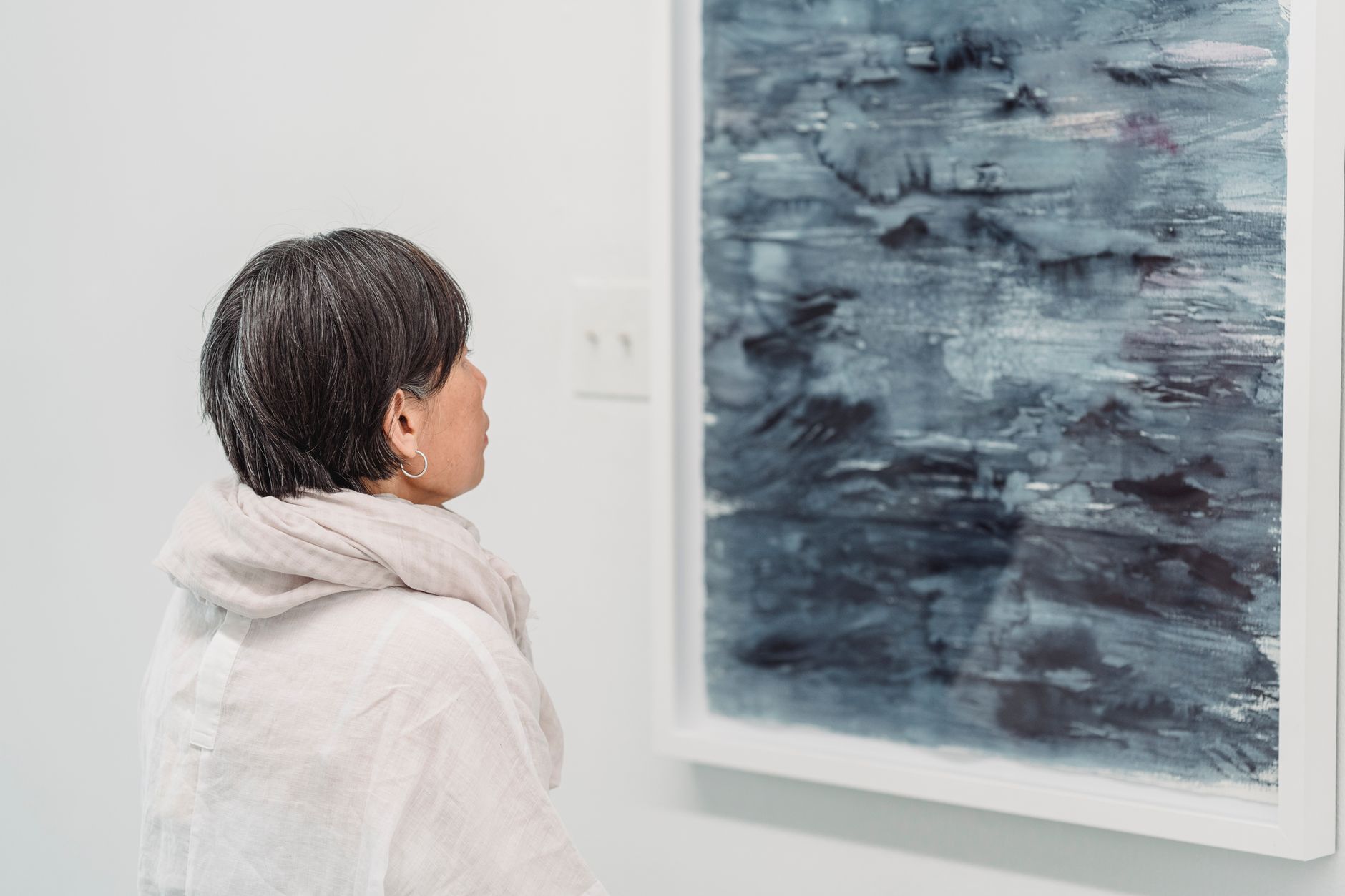
Visitors admire abstract paintings in an art gallery, showcasing modern artistic expressions. Photo: Greta Hoffman / Pexels
For many, approaching contemporary art can feel intimidating. Its lack of conventional beauty, diverse forms, and often challenging concepts can leave viewers wondering, "what is contemporary art really trying to say?" However, with a few key approaches, you can unlock a richer and more rewarding experience. First and foremost, drop your preconceptions about what art 'should' be. Contemporary art often defies traditional aesthetics and craftsmanship, prioritizing ideas and provocation. Instead of asking, "Is this beautiful?" try asking, "What is this trying to communicate?" or "What questions does this raise?" Here are some actionable tips: * **Read the wall text and artist statements:** These often provide crucial context, explaining the artist's intentions, the materials used, and the conceptual framework of the piece. Without this, much of the meaning can be lost. * **Research the artist:** A quick search can reveal an artist's background, recurring themes, and their place within broader art historical or social discussions. Understanding their perspective can illuminate their work. * **Embrace discomfort:** Contemporary art often deals with complex, uncomfortable, or controversial topics. It's designed to make you think, not just to be passively consumed. Allow yourself to feel challenged and question your own assumptions. * **Look for connections:** How does the artwork relate to current events, societal issues, or other art forms? Artists are often responding to the world around them, and understanding these connections can deepen your appreciation. * **Discuss and share:** Engage with others about what you see. Hearing different interpretations can open new avenues of understanding and help you articulate your own thoughts and feelings. * **Visit diverse venues:** Don't limit yourself to major museums. Explore smaller galleries, artist-run spaces, and public art installations. These often showcase emerging artists and experimental works that push boundaries even further. * **Don't be afraid to dislike something:** It's perfectly fine not to connect with every piece of contemporary art. The goal is engagement, not universal adoration. What matters is the thought process and the dialogue it sparks. By adopting an open and inquisitive mindset, you’ll find that contemporary art is not just a collection of objects, but a dynamic, living conversation that reflects and shapes our understanding of the world. It invites you to be an active participant in its ongoing evolution.

Comparison

FeatureContemporary ArtModern ArtClassical Art
Time Period1960s/70s - Present1860s - 1960sAncient to 19th Century
Key FocusConcept, Social Issues, DiversityAbstraction, Formal Innovation, SubjectivityIdealism, Beauty, Narrative
Media UsedAny & All (Video, Performance, Digital)Painting, Sculpture, PhotographyPainting, Sculpture, Architecture
Viewer EngagementActive, Participatory, InterpretiveObservational, EmotionalAppreciative, Educational
Challenges Norms?

What Readers Say

"This article completely demystified what is contemporary art for me! I used to feel so lost in galleries, but now I understand the conceptual depth and diverse approaches. It's truly a game-changer for appreciating modern exhibitions."

Sarah J. · Brooklyn, NY

"As an aspiring artist, this guide on what is contemporary art provided invaluable insights into current trends and the historical context. It's well-researched and makes complex ideas accessible. Highly recommend for anyone serious about art."

Mark D. · Los Angeles, CA

"I always thought contemporary art was just 'weird,' but after reading this, I've visited two new exhibitions with a completely different perspective. I actually found myself engaging with the pieces and understanding the artists' messages, which led to a much richer experience."

Emily R. · Chicago, IL

"The distinction between modern and contemporary art was particularly helpful. While some parts were dense, the overall explanation of what is contemporary art gave me a solid foundation. I still have a lot to learn, but this article was an excellent starting point."

David K. · Austin, TX

"I'm a gallery owner and often get asked, 'what is contemporary art?' This article provides a comprehensive, easy-to-understand explanation I can now recommend to my patrons. It covers all the essential aspects without being overly academic."

Jessica L. · Miami, FL

Frequently Asked Questions

What is the main difference between modern art and contemporary art?

Modern art generally spans from the 1860s to the 1960s, focusing on breaking from traditional styles and exploring abstraction and individual expression. Contemporary art, from the 1960s/70s to the present, expands on this by emphasizing conceptual ideas, diverse media, social commentary, and a global perspective, often challenging the very definition of art itself.

Why does contemporary art often seem 'strange' or 'unconventional'?

Contemporary art often aims to provoke thought, challenge norms, and explore complex ideas rather than just create aesthetically pleasing objects. Its use of unconventional materials, performance, and conceptual approaches can make it seem strange to those expecting traditional beauty, but it's part of its mission to push boundaries and reflect our evolving world.

How can I start appreciating contemporary art if I'm a beginner?

Start by visiting local galleries and museums, but focus on reading the wall texts and artist statements carefully. Research the artists and their intentions. Don't be afraid to ask questions or discuss the art with others. The key is to approach it with an open mind, looking for meaning and ideas rather than just traditional beauty.

Is contemporary art only for the wealthy or art experts?

Absolutely not. While some contemporary art can command high prices, the experience and appreciation of it are accessible to everyone. Many museums offer free admission days, and public art installations are often free to view. Understanding contemporary art requires curiosity and an open mind, not a specific income level or expertise.

How does contemporary art compare to street art or digital art?

Street art and digital art are significant and often overlapping sub-categories within contemporary art. Many contemporary artists utilize public spaces or digital platforms as their primary medium, embracing the accessibility and unique characteristics these forms offer. They often share contemporary art's themes of social commentary, experimental media, and challenging traditional art spaces.

Who should engage with what is contemporary art?

Anyone with an interest in understanding the world around them, exploring new ideas, or engaging with different perspectives should engage with contemporary art. It's particularly rewarding for those who enjoy critical thinking, open dialogue, and seeing how creativity responds to current social, political, and cultural landscapes.

Are there any risks in interpreting contemporary art incorrectly?

There's no single 'correct' interpretation of contemporary art. Artists often intend their work to be open-ended, inviting diverse responses. The 'risk,' if any, lies in dismissing a piece without attempting to understand its context or the artist's intent. The value comes from the personal engagement and the thoughts it provokes, regardless of whether your interpretation perfectly aligns with the artist's.

What are the future trends in contemporary art?

Future trends in contemporary art are likely to continue exploring themes of environmental sustainability, artificial intelligence, virtual reality, and evolving identities. Expect even greater interdisciplinary collaborations, increased global representation, and further blurring of lines between art, science, and technology, as artists push boundaries in response to an ever-changing world.

Ready to dive deeper into the fascinating world of contemporary art? Use this guide to enhance your next gallery visit, spark meaningful conversations, and broaden your understanding of art in the 21st century. The journey of appreciation starts now.

Topics: what is contemporary artcontemporary art definitionmodern art vs contemporary artcharacteristics of contemporary arthistory of contemporary art