Unraveling: What Are The Different Types of Art?
August 13, 2026 15 min read 2,954 words
Dive into the vast and varied world of artistic expression, understanding how each type shapes our perception and culture.
Discover Art's Diversity
The Expansive Realm of Visual Arts
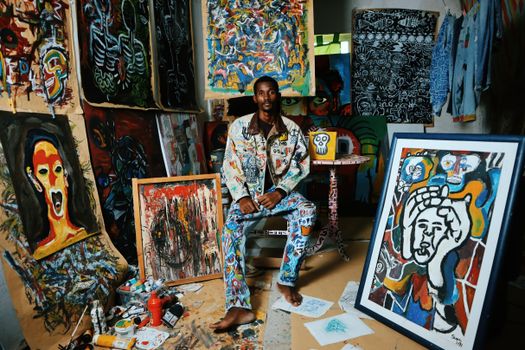 Photo: Sandro Lopes Art / Pexels
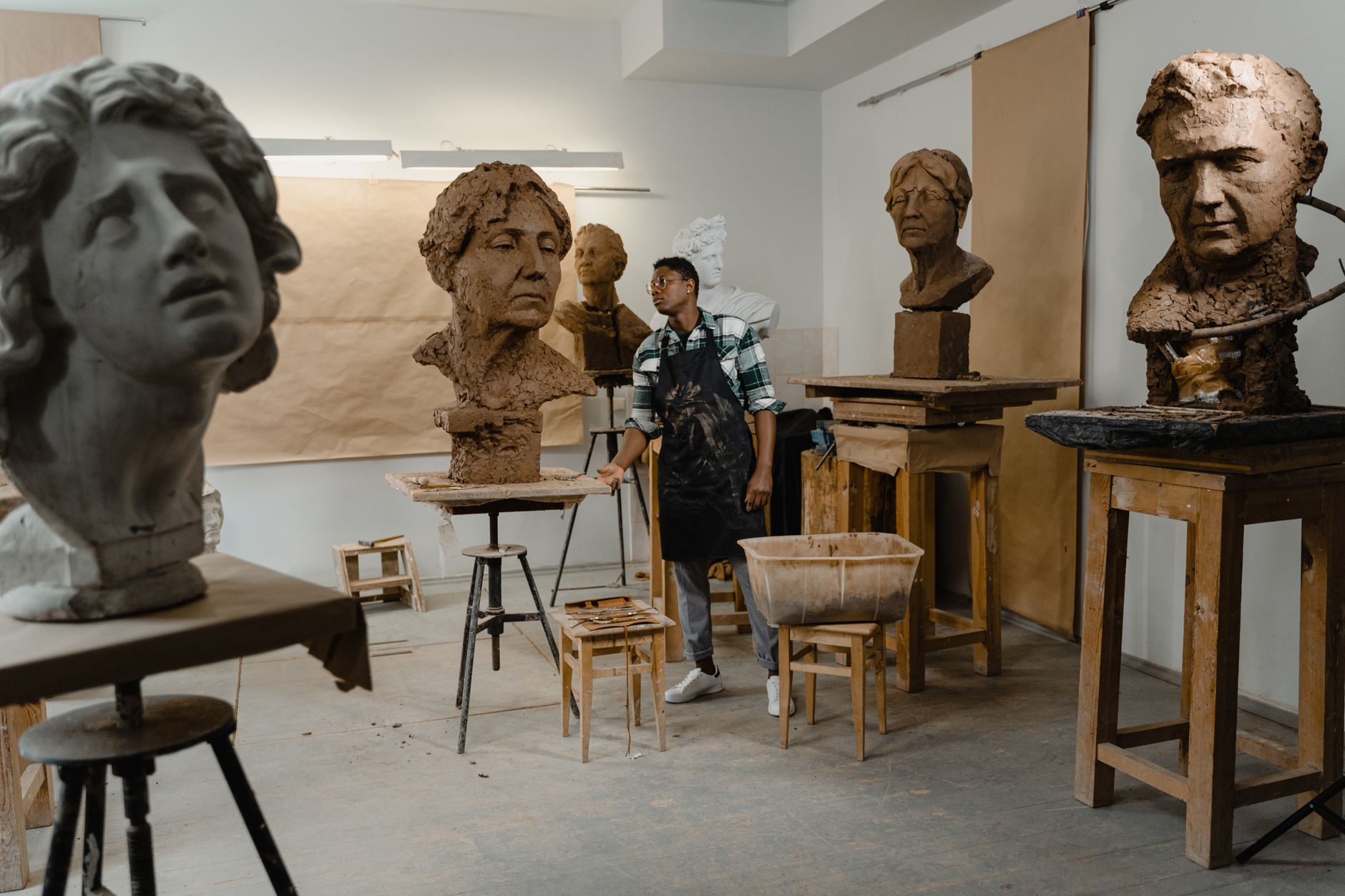
When people ask, "what are the different types of art?" their minds often first turn to visual arts. This category encompasses anything that can be seen and appreciated aesthetically, forming the bedrock of many artistic traditions across the globe. Visual arts are perhaps the most accessible and widely recognized forms, spanning millennia from ancient cave paintings to contemporary digital installations. At its core, visual art is about creation that engages the sense of sight, utilizing elements like line, shape, color, texture, and form to communicate ideas, emotions, or narratives. The diversity within visual arts is staggering, reflecting human ingenuity and varied cultural perspectives. Painting, for instance, is a cornerstone of visual art. From the meticulous detail of Renaissance portraits to the bold abstraction of modernists, paint on canvas (or other surfaces) offers an unparalleled medium for expression. Techniques vary wildly, including oil painting, watercolor, acrylics, tempera, fresco, and even spray paint, each offering distinct textures, drying times, and luminosity. Beyond painting, drawing is another fundamental visual art, often serving as the genesis for other works. Utilizing charcoal, pencil, ink, or pastels, drawing can capture fleeting moments, develop complex compositions, or stand as finished artworks in their own right. Sculpture, a three-dimensional art form, transforms materials like stone, wood, metal, clay, and even found objects into tangible forms. Sculptors use carving, modeling, casting, and assemblage to create works that occupy space and interact with their environment, inviting viewers to move around them and experience them from multiple perspectives. From the monumental works of classical antiquity to the kinetic sculptures of the 20th century, this art form continually pushes boundaries. Photography, a relatively modern visual art, captures light to create images. Since its invention in the 19th century, photography has evolved from a scientific tool to a powerful artistic medium, capable of documenting reality, expressing personal visions, and challenging perceptions. Digital photography and manipulation have further expanded its scope, blurring lines between reality and imagination. Printmaking, including techniques like etching, lithography, woodcut, and silkscreen, allows artists to create multiple original impressions from a single matrix. This democratic art form has played a significant role in disseminating images and ideas throughout history. Digital art, born from the advent of computers and software, represents a rapidly expanding frontier. It includes digital painting, 3D modeling, animation, generative art, and interactive installations. This field constantly redefines what is possible, blending technology with traditional artistic principles. Architecture, though often considered a functional discipline, is fundamentally an art form. It's the art and science of designing and constructing buildings and other physical structures, blending aesthetic considerations with practical utility. The way a building interacts with its environment, its internal spaces, and its visual impact all contribute to its artistic merit. Finally, crafts such as ceramics, textiles, jewelry making, and glasswork also fall under visual arts. While often having functional purposes, their aesthetic qualities, intricate designs, and skilled execution elevate them to art forms. Each of these visual arts contributes uniquely to our shared cultural heritage, providing endless avenues for expression and interpretation. Understanding the breadth of
visual artistic expression is key to appreciating the full spectrum of human creativity.
The Dynamic World of Performing Arts
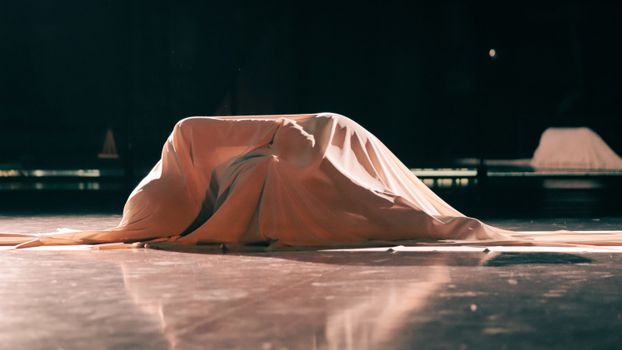 Photo: Miguel Rodriguez León / Pexels
Shifting from the static to the ephemeral, performing arts answer the question, "what are the different types of art?" by emphasizing live presence and temporal experience. Unlike visual arts, which often result in a tangible, lasting object, performing arts are about the act of creation itself, unfolding in real-time before an audience. This makes them incredibly dynamic, often relying on direct interaction and the energy exchanged between performers and observers. The essence of performing arts lies in the artist's body, voice, or presence being the medium, creating an experience that is unique to each performance. Theater, perhaps the most comprehensive performing art, combines elements of acting, storytelling, set design, lighting, sound, and sometimes music and dance. From ancient Greek tragedies to contemporary experimental plays, theater explores the human condition through narrative and character portrayal. Actors embody roles, bringing stories to life on stage, making each performance a distinct event influenced by the audience's reaction and the performers' interpretation. Dance is another powerful performing art, using the body as its primary instrument of expression. It communicates emotions, stories, or abstract ideas through movement, rhythm, and gesture. Styles range from classical ballet and contemporary dance to hip-hop, folk dances, and elaborate cultural performances. The physical prowess, emotional depth, and intricate choreography involved make dance a captivating and deeply moving art form. Music is universally recognized as a performing art, involving the organization of sound to create harmony, melody, rhythm, and timbre. Musicians use instruments (from acoustic to electronic), their voices, or a combination thereof to produce a vast array of genres—classical, jazz, rock, pop, folk, electronic, and many more. Live musical performances are communal experiences, capable of evoking profound emotions and uniting people through shared auditory journeys. Opera, a unique blend, combines music, theater, and sometimes dance, where the dramatic action is conveyed primarily through singing. It's a grand spectacle that integrates visual artistry (sets, costumes) with musical prowess and theatrical storytelling. Spoken word and poetry readings are also significant performing arts. While literary in origin, the live delivery of poetry, prose, or storytelling transforms the written word into an immersive auditory experience, enhanced by the performer's intonation, rhythm, and presence. Performance art, a more contemporary and often avant-garde form, blurs the lines between art and life. It involves an artist's live presence and actions, often in a non-traditional setting, to convey a concept or provoke thought. These performances can be spontaneous or meticulously planned, lasting moments or hours, and often challenge conventions of what art can be. Circus arts, including acrobatics, juggling, clowning, and aerial stunts, are ancient forms of performance that combine physical skill, daring, and entertainment. They create spectacles that awe and delight audiences of all ages. Each of these performing arts offers a distinct way to experience art – live, immediate, and often profoundly impactful. They remind us that art is not just about objects, but also about experiences that unfold in time and space, engaging our senses and emotions in a direct and powerful manner. The transient nature of performing arts often makes their impact even more memorable, leaving a lasting impression on those who witness them.
The Narrative Power of Literary and Media Arts
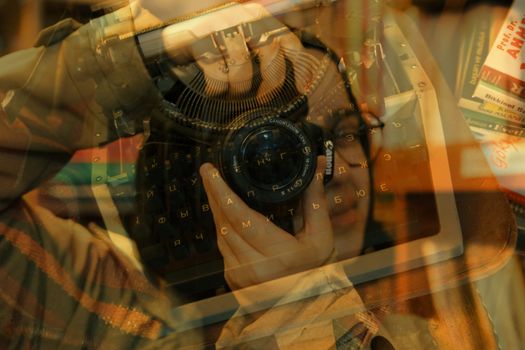 Photo: elif aktuylu / Pexels
To fully answer the question, "what are the different types of art?", we must delve into literary arts and the increasingly pervasive media arts. Literary arts focus on the written word as the primary medium of expression, using language to create narratives, convey ideas, evoke emotions, and explore the human condition. Unlike visual or performing arts, which often rely on immediate sensory input, literary arts engage the imagination, inviting the reader to construct worlds and characters in their mind's eye. Poetry, with its condensed language, rhythm, and imagery, is a profound form of literary art. It uses carefully chosen words to express complex thoughts and feelings, often transcending literal meaning to touch upon universal truths. From epic poems to haikus, poetry's power lies in its ability to evoke, inspire, and challenge. Prose, encompassing novels, short stories, essays, and non-fiction, builds narratives and arguments through sentences and paragraphs. Novels, in particular, offer expansive worlds and deep character development, allowing authors to explore societal issues, personal journeys, and speculative futures. Short stories provide concentrated narratives, while essays and non-fiction use literary techniques to inform, persuade, and reflect on real-world topics. Drama, though often performed, originates as a literary art form—the play script. Playwrights craft dialogue, stage directions, and plot to create works intended for theatrical production, but which can also be read and appreciated as literature. Screenwriting, similarly, is a literary art form that forms the blueprint for film and television, dictating visual and auditory elements as well as dialogue. The advent of the 20th and 21st centuries introduced and rapidly expanded the category of media arts, often blending elements of visual, performing, and literary arts with technology. Film, or cinema, is a powerful composite art form that combines visual storytelling, acting, music, and often literary scripts to create immersive narratives. It uses motion pictures to convey stories, emotions, and ideas, reaching vast audiences globally. Documentaries, experimental films, and animations further diversify this medium. Television, as an extension of film and theater, brings stories and performances directly into homes, encompassing genres from drama and comedy to news and reality shows. Its episodic nature allows for long-form storytelling and character development. Video art, often seen in galleries and museums, uses video technology as its medium, frequently exploring abstract concepts, social commentary, or personal narratives in non-linear ways. Digital media, including interactive installations, video games, virtual reality (VR), and augmented reality (AR) experiences, represent the cutting edge of art. These forms allow for audience participation and create immersive, personalized artistic encounters. Video games, in particular, have evolved into complex narrative and aesthetic experiences, blending visual design, music, storytelling, and interactive gameplay. Web art and net art utilize the internet as a platform, creating works that are often collaborative, dynamic, and accessible globally. These forms challenge traditional notions of art ownership and exhibition. The convergence of technology and artistic expression continues to redefine what is possible, constantly expanding the answer to
what constitutes art in the modern era. These media arts not only reflect our technological progress but also use these tools to comment on our increasingly digital lives, offering new avenues for creativity and engagement.
Navigating the Nuances: Tips for Art Appreciation and Exploration
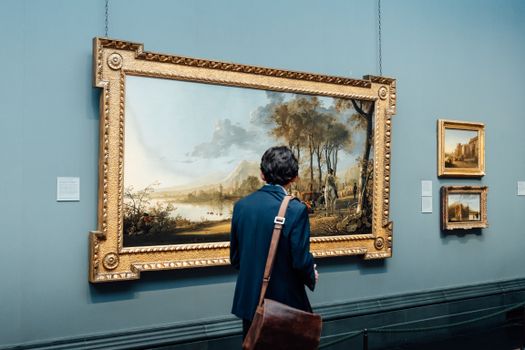 Photo: Miguel González / Pexels
Understanding "what are the different types of art" is just the beginning; true appreciation comes from engaging with them. Here are some tips to deepen your artistic exploration and avoid common pitfalls:
* **Embrace Subjectivity, But Seek Context:** Art is deeply personal, and your initial reaction is valid. However, don't stop there. Researching the artist's intent, the historical period, and cultural significance can dramatically enrich your understanding and appreciation. What might seem like a simple splash of paint could be a profound statement when viewed through the lens of its creation.
* **Experience Art Live When Possible:** While reproductions are valuable, nothing compares to experiencing art in person. A painting's texture, a sculpture's scale, or a live performance's energy cannot be fully captured digitally. Visit museums, galleries, theaters, and concert halls to truly immerse yourself.
* **Don't Be Afraid to Dislike (or Love) Something:** It's okay not to connect with every piece of art. Art is meant to provoke a reaction, and sometimes that reaction is indifference or even dislike. Conversely, don't feel pressured to 'get' or like something just because it's famous. Your authentic response is part of the art experience.
* **Engage with Different Forms Regularly:** Don't limit yourself to one type of art. If you love painting, try attending a dance performance. If you're a literature buff, explore experimental film. Cross-pollination of experiences can open new pathways of understanding and appreciation across different mediums.
* **Read and Learn Continuously:** Art history, criticism, and theory provide valuable frameworks for understanding. Books, documentaries, and online resources can illuminate the stories behind the art and the artists. The more you learn, the more connections you'll make.
* **Avoid the Trap of 'What Does It Mean?':** While meaning is often present, sometimes art is simply about aesthetics, emotion, or the pure act of creation. Not every piece has a didactic message. Sometimes, the 'meaning' is the feeling it evokes in you.
* **Support Artists:** Whether through purchasing art, attending performances, or simply sharing their work, supporting artists is crucial for the continued flourishing of all art forms. Your engagement helps sustain the creative ecosystem.
* **Start with What Resonates:** If you're new to art exploration, begin with genres or periods that naturally appeal to you. As your confidence and understanding grow, gradually branch out into less familiar territories. This organic approach makes the journey more enjoyable and sustainable.
By following these tips, you'll not only answer "what are the different types of art" more comprehensively but also cultivate a richer, more meaningful relationship with the vast and inspiring world of human creativity.