Unlocking Healing: What Are the Benefits of Art Therapy?
Harness the transformative power of creative expression for improved well-being and profound personal insight.
Explore Art TherapyKey Takeaways
- ✓ Art therapy is a recognized mental health profession utilizing creative processes for emotional exploration and healing.
- ✓ It's effective for all ages, from children to seniors, regardless of artistic skill.
- ✓ Benefits include stress reduction, improved self-esteem, enhanced communication, and processing trauma.
- ✓ Art therapy doesn't focus on artistic talent, but on the therapeutic process of creation.
How It Works
A certified art therapist meets with the individual to understand their needs, history, and therapeutic goals. Together, they establish a tailored plan for sessions.
Using various art materials like paints, clay, or collage, individuals are guided through exercises to express thoughts and feelings. The focus is on the process, not the outcome.
After creating, the therapist facilitates a dialogue about the artwork, helping the individual interpret its meaning. This process uncovers insights and fosters self-awareness.
Learnings from the art-making and reflection are integrated into daily life. This leads to new coping strategies, improved emotional regulation, and personal growth over time.
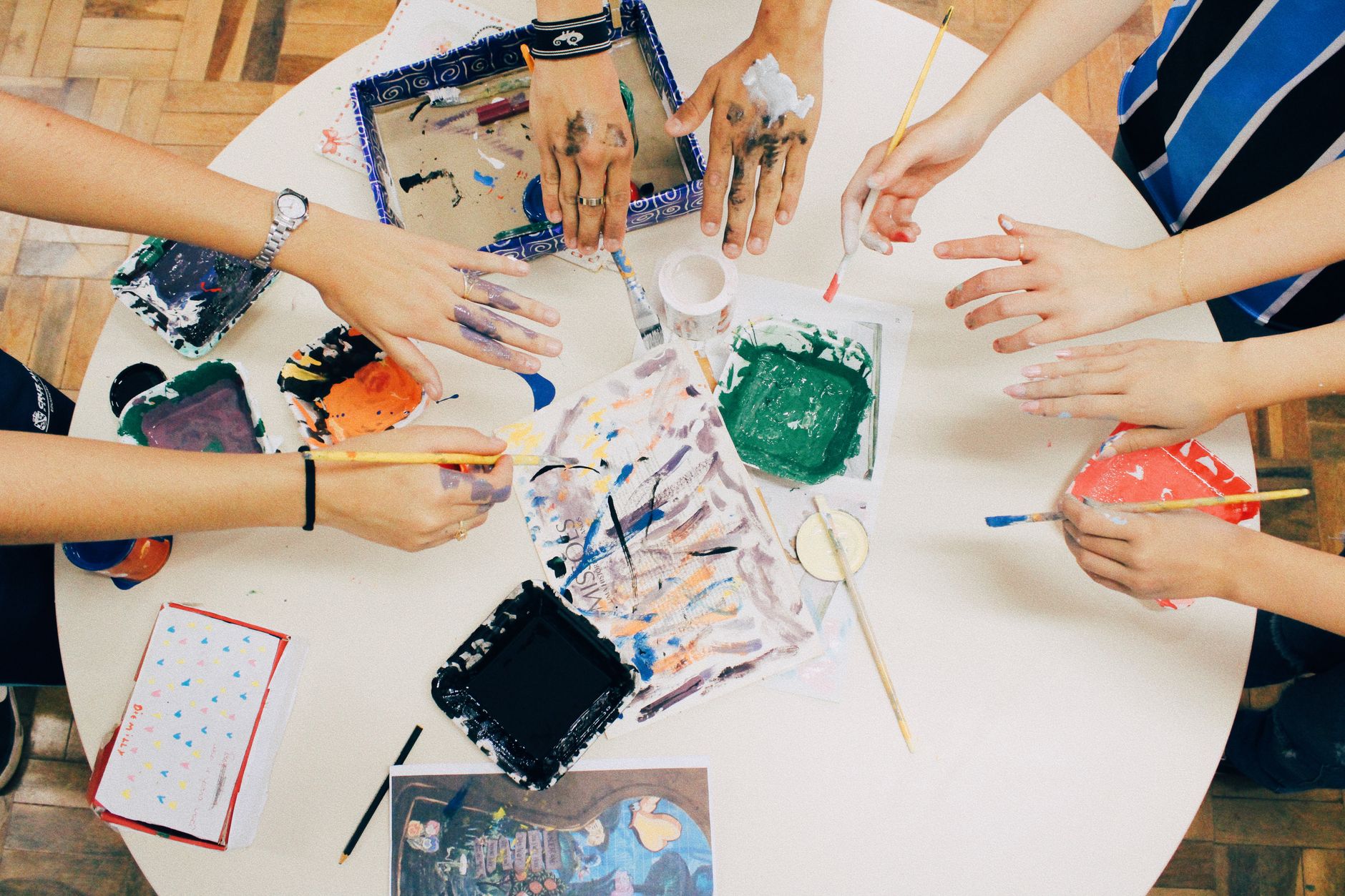
Understanding the Foundational Principles of Art Therapy
 Photo: Mikhail Nilov / Pexels
Emotional Expression and Stress Reduction through Creative Outlets
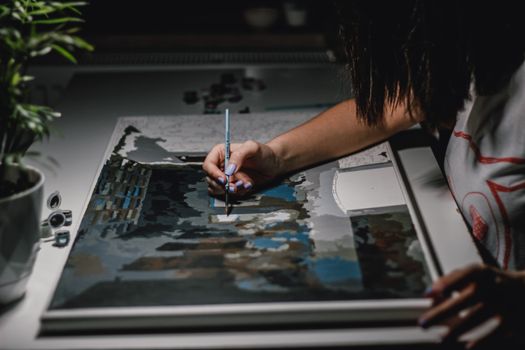 Photo: Sena Aykut / Pexels
Enhancing Self-Discovery and Personal Growth through Creative Exploration
 Photo: George Milton / Pexels
Practical Tips for Integrating Art into Your Wellness Routine
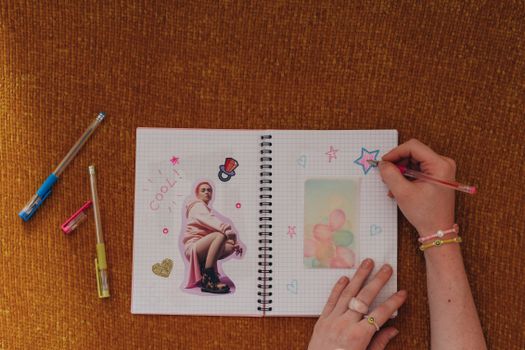 Photo: cottonbro studio / Pexels
Comparison
| Feature | Art Therapy (Certified Therapist) | Self-Guided Art for Wellness | Traditional Talk Therapy |
|---|---|---|---|
| Professional Guidance | ✓ (Master's level, clinical expertise) | ✗ (Self-directed) | ✓ (Licensed mental health professional) |
| Non-Verbal Expression | Primary focus | Self-initiated option | Limited to supplementary tools |
| Trauma Processing | Highly effective, safe container | Can be beneficial, but requires caution | Effective, but relies on verbal recall |
| Accessibility (Cost) | Moderate to High | Low (materials only) | Moderate to High |
| Artistic Skill Required | None | None (focus on process) | N/A |
| Self-Discovery Depth | Profound, guided interpretation | Varies by individual reflection | Profound, verbally driven |
| Emotional Regulation | Directly taught and practiced | Indirectly developed | Verbally discussed and practiced |
What Readers Say
"Art therapy helped me process grief in a way words never could. The benefits of art therapy were immediate; I felt a sense of release and understanding I hadn't experienced before. It truly transformed my healing journey."
Sarah J. · Austin, TX"As someone who struggles with anxiety, discovering what are the benefits of art therapy has been life-changing. It provides a calm space to express my worries without judgment, and I've learned so much about my triggers and coping mechanisms."
Mark T. · Portland, OR"My therapist suggested art therapy for my chronic stress, and the results have been incredible. I'm sleeping better, feeling more present, and have a healthier outlet for my emotions. It's given me concrete tools to manage my daily life."
Emily R. · Chicago, IL"I was skeptical at first, not considering myself artistic. But the therapist made me feel so comfortable, focusing on the process. While I'm still working through some things, the benefits of art therapy are clear in my improved self-awareness."
David L. · Miami, FL"For my daughter, who was struggling with selective mutism, art therapy was a breakthrough. She started communicating her feelings through her drawings, and it opened up a world of expression for her. It's a testament to what are the benefits of art therapy for children."
Jessica M. · Denver, COFrequently Asked Questions
What is the primary difference between art therapy and an art class?
The primary difference lies in the objective and guidance. An art class focuses on teaching artistic techniques and producing aesthetically pleasing works. Art therapy, conversely, is a therapeutic process facilitated by a trained mental health professional, using art-making as a tool for emotional expression, self-discovery, and healing, with the process and reflection being more important than the final product.
Do I need to be artistic or skilled in art to benefit from art therapy?
Absolutely not. One of the core principles of art therapy is that artistic skill is irrelevant to its effectiveness. The focus is entirely on the process of creation, self-expression, and the insights gained, not on producing a 'good' piece of art. Everyone has the innate capacity for creativity, and that's all that's needed.
How do I find a qualified art therapist in my area?
To find a qualified art therapist, you can search the American Art Therapy Association (AATA) website, which offers a directory of credentialed professionals. You can also ask for referrals from your doctor, mental health professional, or local community health centers. Ensure the therapist is board-certified (ATR-BC) or licensed in your state.
Is art therapy covered by insurance, and what is the typical cost?
Coverage for art therapy varies widely depending on your insurance provider and plan. Many insurance companies now recognize art therapy as a legitimate mental health service. It's best to contact your insurance provider directly to inquire about coverage. The typical cost per session can range from $75 to $200, depending on location, therapist's experience, and session length.
How does art therapy compare to traditional talk therapy for emotional healing?
Art therapy offers a complementary approach to traditional talk therapy. While talk therapy relies heavily on verbal communication, art therapy provides a non-verbal avenue for expression, which can be particularly effective for complex emotions, trauma, or for individuals who struggle with verbalizing feelings. It can access deeper parts of the psyche, often revealing insights that words alone might miss, making it a powerful alternative or adjunct to talk therapy.
Who can benefit most from exploring what are the benefits of art therapy?
Art therapy can benefit a wide range of individuals across all age groups. It's particularly effective for those dealing with anxiety, depression, trauma, grief, chronic illness, relationship issues, or developmental delays. Children and adolescents often find it easier to express themselves through art than words. Adults seeking self-discovery, stress reduction, or new coping mechanisms also benefit greatly.
Are there any risks or negative side effects associated with art therapy?
When conducted by a qualified and ethical art therapist, art therapy is generally considered safe. However, as with any therapeutic process, engaging with deep emotions can sometimes be intense or uncomfortable. A skilled therapist will create a safe environment and guide you through these feelings. There are no inherent negative side effects from the art-making itself.
What are the emerging trends or future directions in the field of art therapy?
Emerging trends in art therapy include increased integration with neuroscience research to understand its impact on the brain, the use of digital art tools and virtual reality for therapy, and a growing focus on community-based art therapy for social justice and collective healing. There's also a rising interest in art therapy for neurodiverse populations and for addressing climate anxiety.
Embrace the transformative power of creativity. Explore what are the benefits of art therapy and unlock a profound path to emotional healing, self-discovery, and enhanced well-being. Your journey to a more expressive and resilient self begins now.