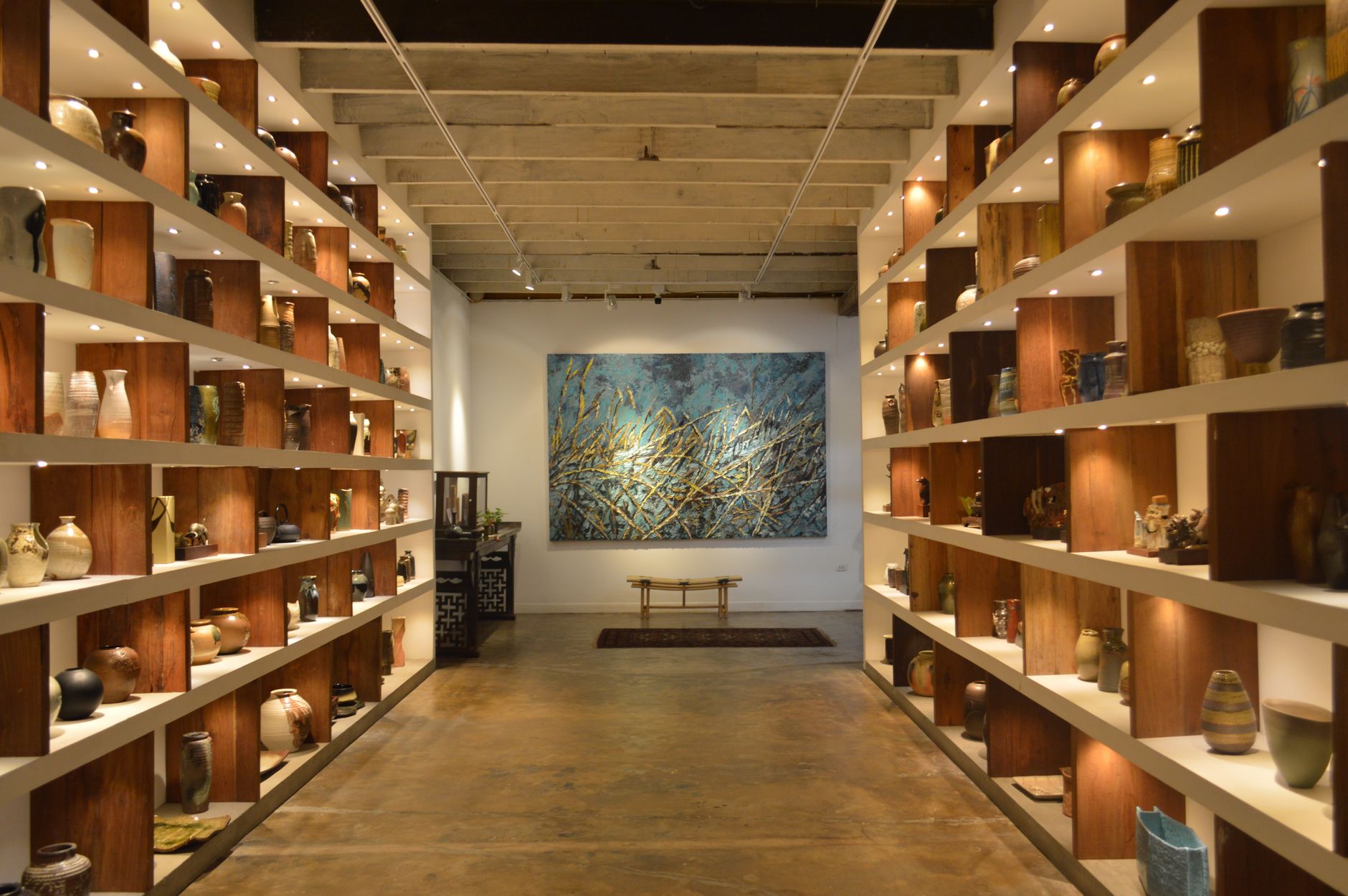
Your Ultimate Art Investment Guide for Beginners
art investment guide for beginners

Your Ultimate Art Investment Guide for Beginners

Navigate the exciting, complex world of art investment with expert insights and practical steps to start your collection.

Start Your Art Journey

Key Takeaways

  • ✓ Art can offer diversification from traditional assets.
  • ✓ Understanding provenance and authenticity is crucial.
  • ✓ The art market is less liquid than stock markets.
  • ✓ Expert advice and due diligence are indispensable.

How It Works

1
Educate Yourself Thoroughly

Before making any purchases, immerse yourself in art history, market trends, and valuation principles. Knowledge is your most powerful tool in this unique asset class.

2
Define Your Investment Strategy

Determine your goals, risk tolerance, and budget. Decide if you're collecting for passion, profit, or both, and whether you'll focus on emerging artists or established masters.

3
Build Your Network and Seek Advice

Connect with gallerists, art advisors, auction house specialists, and other collectors. Their expertise can provide invaluable insights and access to opportunities.

4
Acquire, Document, and Protect Your Art

Purchase authenticated pieces, meticulously document their provenance, and ensure proper insurance and storage. These steps are vital for preserving value and authenticity.

Understanding the Art Market: A Beginner's Overview
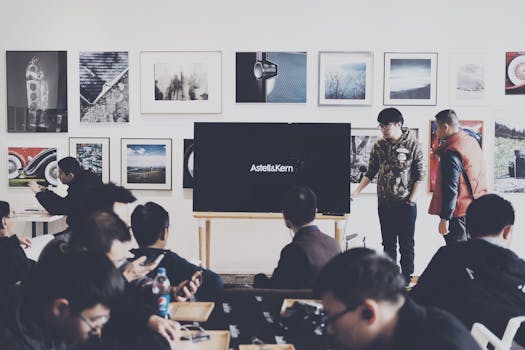
A group of adults attending a casual business presentation in a modern art space, featuring a TV display and framed art. Photo: 祝 鹤槐 / Pexels
The art market, unlike conventional financial markets, operates on a unique blend of subjective aesthetic value, cultural significance, and economic principles. For any aspiring art investor, grasping these fundamental dynamics is the first crucial step. It's not merely about buying a beautiful object; it's about acquiring an asset that can appreciate over time, offer diversification, and provide immense personal enjoyment. The market is broadly segmented into primary and secondary markets. The primary market involves purchasing directly from artists, their studios, or galleries representing them. Here, prices are often set by the gallery in consultation with the artist, and collectors might discover emerging talent before widespread recognition. The secondary market, on the other hand, deals with works that have previously been sold. This includes auction houses, private dealers, and resales through galleries. This is where most high-value transactions occur and where an artist's market value is often solidified through repeated sales and public record. One of the defining characteristics of the art market is its opacity compared to stock exchanges. Information on pricing, sales data, and even availability can be less transparent, requiring significant due diligence. Factors influencing art prices are multifaceted: an artist's reputation and exhibition history, the rarity and condition of the artwork, its provenance (the documented history of ownership), current trends, and even geopolitical stability. Moreover, art is considered an illiquid asset. Converting an artwork back into cash can take months or even years, especially for high-value pieces, and may involve significant transaction costs like auction premiums or dealer commissions. This illiquidity means art investment should be approached with a long-term perspective, often five to ten years or more, to realize potential gains. Understanding these market quirks is paramount for a beginner, preventing common pitfalls and setting realistic expectations for returns. It also highlights the importance of expert guidance, as navigating this complex ecosystem alone can be daunting and risky. Recognizing the subjective nature of art valuation, coupled with its tangible presence and cultural significance, is what makes this investment class both challenging and incredibly rewarding. Exploring art market trends can further illuminate these dynamics.

Building Your Art Investment Strategy and Portfolio
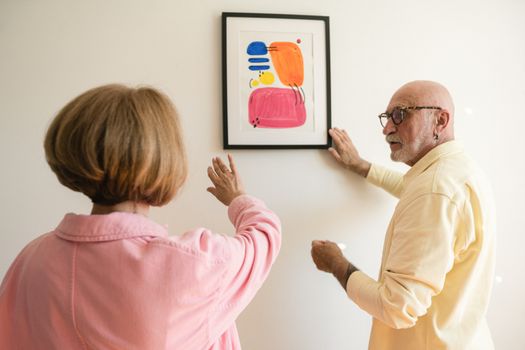
Senior couple hanging colorful modern artwork, showcasing their artistic taste. Photo: SHVETS production / Pexels
Before you even consider making a purchase, a well-defined investment strategy is essential. This strategy should align with your financial goals, risk tolerance, and personal interests. Are you looking for capital appreciation, portfolio diversification, or simply the joy of collecting? For beginners, a balanced approach often works best, combining a passion for art with a clear understanding of its investment potential. Start by defining your budget. Art can be incredibly expensive, but there are entry points at various price levels, from prints and works on paper to sculptures and paintings by established artists. Be realistic about what you can afford, and never invest money you can't afford to lose, as art values can fluctuate. Next, consider your area of focus. The art world is vast, encompassing everything from Old Masters and Impressionism to contemporary art, photography, and digital art. Specializing in a particular period, movement, or artist can allow you to develop deep expertise, which is invaluable for making informed decisions. Research artists whose work resonates with you, whose careers show promise, or who have an established track record. Look for artists with strong gallery representation, museum acquisitions, positive critical reviews, and a growing secondary market presence. Diversification within your art portfolio is also important, just as it is with traditional investments. Instead of putting all your resources into one artist or style, spread your investments across different artists, mediums, or periods to mitigate risk. For instance, you might acquire a piece by an emerging artist, a print by a mid-career artist, and a minor work by an established master. Provenance, condition, and authenticity are non-negotiable factors that directly impact an artwork's value and future salability. Always demand a clear, documented history of ownership (provenance) for any piece you consider. The condition of the artwork should be thoroughly assessed, preferably by a professional conservator, and authenticity must be verifiable, often through certificates, artist signatures, or expert opinions. Neglecting these aspects can lead to significant financial losses. Finally, understand the long-term nature of art investment. Unlike stocks that can be traded daily, art typically requires a holding period of several years to allow for market appreciation and to offset transaction costs. Patience is a virtue in this market, as is a commitment to continuous learning and adaptation to market shifts.

Navigating Acquisitions: From Galleries to Auction Houses
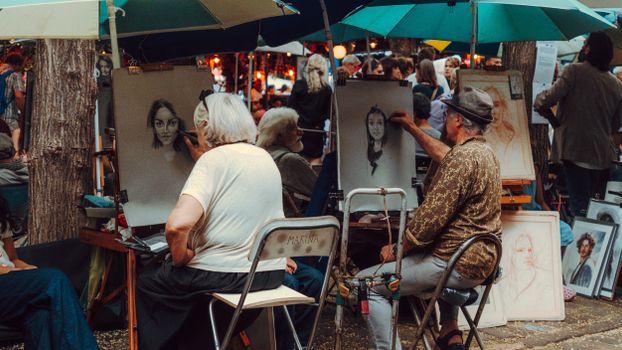
Street artists capture portraits in a lively outdoor market, showcasing artistic talent. Photo: HAMZA YAICH / Pexels
Once your strategy is in place, the next step is to navigate the various avenues for acquiring art. Each channel has its own advantages, disadvantages, and etiquette, making it essential for beginners to understand how to approach them effectively. Galleries are often the first point of contact for many new collectors. They represent artists, curate exhibitions, and act as primary sellers. Visiting galleries allows you to see art in person, learn about artists directly from gallerists, and build relationships that can provide access to coveted pieces and expert advice. Gallerists can also guide you through the acquisition process, including pricing, payment terms, and installation. When buying from a gallery, prices are generally fixed, though some negotiation might be possible, especially for multiple purchases or if you're a long-term client. Building trust and a relationship with a gallerist can be incredibly beneficial for your collecting journey. Auction houses, such as Sotheby's and Christie's, represent the secondary market and are where many high-value transactions occur. They offer a public platform for buying and selling, providing transparency through published estimates and past sales results. Attending auctions, whether in person or online, can be exhilarating, but requires preparation. Before bidding, thoroughly review the auction catalog, paying close attention to estimates, condition reports, and provenance. Factor in the buyer's premium (a percentage added to the hammer price) and any taxes, which can significantly increase the final cost. It's advisable to set a strict budget and stick to it, avoiding emotional bidding. For significant purchases, consider engaging an art advisor who can bid on your behalf, conduct due diligence, and provide expert counsel. Understanding auction dynamics is key to success here. Art fairs are another excellent way to see a vast amount of art from numerous galleries in one location. They offer a snapshot of current trends, allow for comparison shopping, and provide opportunities to connect with gallerists from around the world. While the atmosphere can be bustling, it's a fantastic educational experience for beginners. Finally, private dealers operate more discreetly, often sourcing specific works for clients or offering pieces from their own inventory. These transactions can be very personalized and offer access to works not publicly available. Regardless of the channel, always verify the authenticity, condition, and provenance of any artwork before committing to a purchase. Don't hesitate to ask questions, request additional information, and seek independent expert opinions. The art market rewards informed, patient, and discerning buyers.

Common Pitfalls and Smart Practices for Art Investment
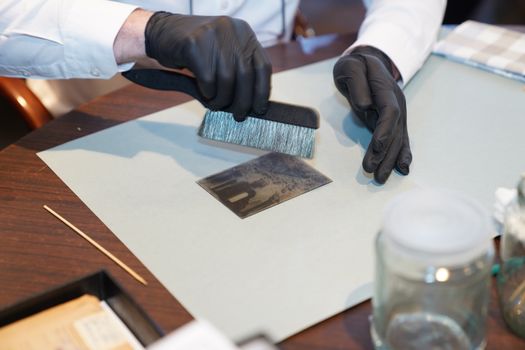
Close-up of photo preservation with a brush on a table, featuring black gloves. Photo: Tahir Xəlfəquliyev / Pexels
Embarking on art investment can be rewarding, but it's also fraught with potential pitfalls that beginners often overlook. Being aware of these challenges and adopting smart practices can significantly improve your chances of success. **Common Pitfalls to Avoid:** * **Emotional Purchases:** Buying solely based on personal taste without considering market value, artist's career trajectory, or investment potential. While passion is important, it needs to be balanced with objective analysis. * **Ignoring Provenance and Authenticity:** Acquiring works without a clear, verifiable history of ownership or certified authenticity. This is a major red flag and can render an artwork worthless. * **Lack of Due Diligence:** Failing to research the artist, the artwork itself, its condition, and market trends. Hasty decisions often lead to regret. * **Overpaying:** Bidding too high at auction or not negotiating effectively with galleries. Always know the market value before making an offer. * **Neglecting Preservation:** Improper storage, handling, or environmental conditions can severely damage an artwork and diminish its value. Art requires specific care. * **Underestimating Transaction Costs:** Forgetting to account for buyer's premiums, shipping, insurance, framing, conservation, and potential resale commissions, which can eat into profits. * **Chasing Trends Blindly:** Investing in artists or styles that are currently popular without understanding their long-term viability. Trends can be fleeting. **Smart Practices for Success:** * **Educate Continuously:** Read art publications, visit museums and galleries, attend lectures, and follow art market news. The more you know, the better your decisions will be. * **Build Relationships:** Cultivate connections with reputable gallerists, art advisors, auction house specialists, and other collectors. These relationships provide invaluable access and insight. * **Start Modestly:** Don't feel pressured to buy expensive pieces immediately. Begin with smaller, more affordable works by artists you believe in. This allows you to learn and grow your collection gradually. * **Get Independent Advice:** For significant investments, consult with an unbiased art advisor or appraiser. Their expertise can save you from costly mistakes. * **Document Everything:** Keep meticulous records of purchase agreements, provenance, condition reports, insurance policies, and any conservation work done. * **Insure and Protect Your Assets:** Secure adequate insurance for your art collection and ensure it is stored in a climate-controlled, secure environment. * **Think Long-Term:** Art investment is rarely a quick flip. Be prepared to hold pieces for several years to see potential appreciation. * **Understand Liquidity:** Be realistic about how quickly you can sell an artwork if needed. It's not a liquid asset like stocks. By diligently applying these smart practices and consciously avoiding common pitfalls, beginners can navigate the art market with greater confidence and build a collection that is both personally fulfilling and potentially financially rewarding.

Comparison

FeatureDirect Gallery PurchaseAuction HouseArt Advisor
Price TransparencyMediumHigh (estimates)Low (private deals)
Due Diligence SupportMediumLimited (self-reliance)High
Access to ArtNew works, represented artistsSecondary market, established worksBroad (network-based)
Transaction CostsGallery commission (included)Buyer's Premium + Seller's CommissionAdvisory Fee
Relationship BuildingDirect with artist/galleristLess personalPersonalized client service
Suitability for Beginners
Speed of AcquisitionMediumFast (auction dates)Medium to slow (sourcing)
Negotiation ScopeLimitedNone (bidding)High

What Readers Say

"This art investment guide for beginners was incredibly thorough and clear. It broke down complex topics like provenance and market segments into understandable language, giving me the confidence to start my art collection."

Sarah J. · Austin, TX

"As someone completely new to art investing, this guide was a lifesaver. It provided a practical roadmap and highlighted key considerations I would have otherwise missed, particularly around due diligence."

Mark D. · New York, NY

"Following the advice in this art investment guide for beginners, I successfully acquired my first piece of contemporary art. The section on building relationships with gallerists was especially helpful and led to a great experience."

Emily R. · San Francisco, CA

"The guide is excellent for laying the groundwork, though I still feel the need for an art advisor for larger purchases. It's a fantastic starting point, emphasizing education and careful planning before diving in."

David L. · Chicago, IL

"This art investment guide for beginners provided the perfect blend of passion and practicality. It taught me how to combine my love for art with a sound investment strategy, which is exactly what I was looking for."

Jessica T. · Miami, FL

Frequently Asked Questions

What is the minimum amount I should consider for art investment as a beginner?

There isn't a strict minimum, but it's generally advisable to start with a budget you're comfortable losing, as art values can fluctuate. You can begin with high-quality prints or works by emerging artists for a few thousand dollars, gradually increasing your investment as your knowledge and confidence grow. Focus on acquiring the best piece within your budget, rather than the cheapest.

Is art investment only for the wealthy?

While the high-end art market often makes headlines, art investment is not exclusively for the wealthy. There are accessible entry points, including prints, photography, and works by emerging artists. Fractional ownership platforms are also making art investment more democratic, allowing individuals to buy shares in high-value artworks.

How do I verify the authenticity of an artwork?

Verifying authenticity involves several steps: checking for a certificate of authenticity from the artist or gallery, examining the artwork's provenance (documented history of ownership), consulting with art experts or appraisers specializing in that artist or period, and scrutinizing the artist's signature or specific stylistic elements. Reputable dealers and auction houses perform their own due diligence.

What are the typical costs associated with buying and owning art?

Beyond the purchase price, expect costs such as buyer's premiums at auctions (15-30% of hammer price), sales tax, shipping and insurance, framing, installation, and potential conservation or restoration fees. If you use an art advisor, their fees (hourly or percentage of purchase) will also apply. These additional costs can significantly impact your overall investment.

How does art investment compare to investing in stocks or real estate?

Art investment is generally less liquid and more opaque than stocks or real estate. It often requires specialized knowledge and a longer holding period for potential appreciation. While it offers diversification and can be less correlated with traditional markets, it also carries higher transaction costs and subjective valuation challenges. It's often considered a 'passion asset' that blends financial and aesthetic returns.

Who should consider using an art investment guide for beginners?

Anyone with an interest in diversifying their investment portfolio beyond traditional assets, a passion for art, or a desire to learn about the art market from the ground up should use an art investment guide for beginners. It's ideal for those seeking to make informed decisions and mitigate risks in this unique asset class.

What are the risks involved in art investment?

Key risks include illiquidity (difficulty selling quickly), market volatility (prices can fluctuate), authenticity issues (forgeries), condition degradation (damage over time), lack of transparency in pricing, and high transaction costs. There's also the risk of an artist's market value declining or failing to appreciate as expected.

What are the future trends in the art market that beginners should be aware of?

Future trends include the continued growth of online art sales, increased interest in digital art and NFTs (though highly speculative), greater emphasis on diversity and inclusion for underrepresented artists, a focus on sustainability and ethical sourcing, and the rise of fractional ownership platforms making high-value art more accessible. Staying informed on these trends can open new opportunities.

Embark on your art investment journey with confidence. This art investment guide for beginners equips you with the knowledge and strategies to build a meaningful and valuable art collection. Start exploring today!

Topics: art investment guide for beginnersinvesting in artart market basicscollecting artart portfolio
Leo List

IE Escorts NO Escorts US Escorts NZ Escorts AU Escorts
Brampton weed
Adultwork EstrelaBet Vai de Bet R7 Bet Betão Galera Bet Rainbet Bet9ja Shop SportyBet BetKing Sisal Loto Foot Hollywoodbets YesPlay Odibets RushBet Jugabet BetWarrior BetCity MSport betPawa Fortebet