Exploring Diverse Types of Sculpture Materials
June 22, 2026 15 min read 2,949 words
Uncover the endless possibilities and unique characteristics of various materials used in the art of sculpture.
Start Sculpting Now
Traditional Types of Sculpture Materials: Stone and Wood
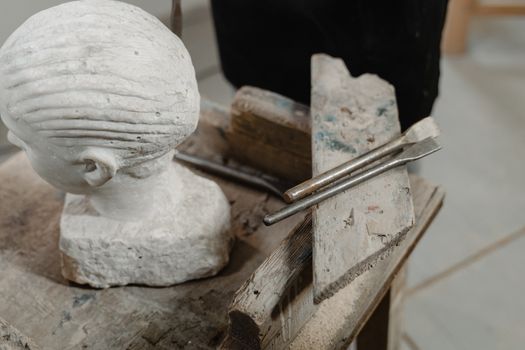 Photo: Tima Miroshnichenko / Pexels
When delving into the fascinating world of sculpture, the first materials that often come to mind are stone and wood, two of the most ancient and revered types of sculpture materials. These natural elements have been utilized by artists for millennia, yielding masterpieces that have stood the test of time, reflecting human creativity and perseverance. Stone, with its inherent strength and permanence, offers a challenge and a reward unlike any other medium. From the majestic marbles favored by classical Greek and Roman sculptors to the granites and limestones used across various cultures, each type of stone possesses unique characteristics. Marble, for instance, is celebrated for its translucence and ability to take a high polish, making it ideal for capturing the delicate nuances of human form. Think of Michelangelo's 'David' – its lifelike quality is partly due to the way light interacts with the marble. Granite, on the other hand, is known for its extreme hardness and durability, making it suitable for outdoor monumental works that need to withstand harsh weather conditions. Limestone, softer and more porous, is easier to carve but less durable, often chosen for its earthy tones and texture. Working with stone is a subtractive process, meaning the sculptor removes material to reveal the form within. This requires immense patience, precision, and a deep understanding of the stone's grain and fracture lines. The tools range from chisels and mallets to modern pneumatic hammers and grinders, each designed to shape the unyielding material. The dust, the effort, and the sheer physical demand are all part of the sculptor's journey, culminating in a form that feels both ancient and eternally present.
Learn more about classical art forms.
Wood, in contrast to stone, offers a warmth and organic quality that is uniquely appealing. Its fibrous structure and varying densities provide a different set of challenges and opportunities. Sculptors often choose specific types of wood based on their color, grain pattern, and workability. For example, mahogany and walnut are prized for their rich hues and fine grain, allowing for intricate details and a smooth finish. Oak and maple, being harder, offer greater durability but are more challenging to carve. Softer woods like basswood and pine are excellent for beginners due to their ease of carving, though they may not last as long or hold as much detail. Like stone, wood carving is primarily a subtractive process, but the techniques involve a wider array of cutting, gouging, and sanding tools. The direction of the grain significantly influences how the wood responds to the tool, and a skilled sculptor learns to work with, rather than against, the natural flow of the material. The tactile experience of wood, its scent, and the way it ages and patinas over time, all contribute to its enduring appeal as a sculptural medium. Both stone and wood demand a profound respect for their natural properties and a mastery of traditional techniques, continuing to inspire contemporary artists seeking a connection to art's foundational roots.
Metals and Ceramics: Versatile Types of Sculpture Materials
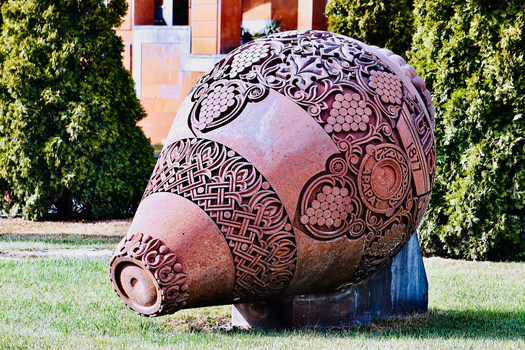 Photo: Anna Romanova / Pexels
Beyond the primal allure of stone and wood, metals and ceramics represent another significant category within the diverse types of sculpture materials, offering unparalleled versatility and expressive potential. Metal sculpture, often associated with strength and permanence, can range from delicate filigree to monumental public art. The most common metals used include bronze, steel, copper, and aluminum, each with distinct properties that dictate their application and aesthetic. Bronze, an alloy primarily of copper and tin, has been a favorite for casting since antiquity due. Its excellent fluidity when molten allows for intricate detail, and upon cooling, it forms a durable, corrosion-resistant surface that can be patinated to achieve a wide range of colors and textures. The lost-wax casting method, a complex multi-step process, is traditionally employed for bronze, allowing artists to translate their initial clay or wax models into lasting metallic forms. Steel, particularly stainless steel, has gained immense popularity in modern and contemporary sculpture due to its industrial strength, sleek finish, and resistance to rust. Artists often weld, cut, and bend steel to create geometric, abstract, or even figurative works, taking advantage of its structural integrity and reflective qualities. Copper and aluminum, while less common for large-scale works than bronze or steel, offer unique advantages. Copper's distinctive reddish-brown hue and malleability make it suitable for intricate repoussé and chasing techniques, while aluminum's lightness and corrosion resistance are beneficial for outdoor installations or kinetic sculptures. Working with metals often involves specialized techniques like welding, forging, soldering, and grinding, requiring safety precautions and specific equipment. The ability to manipulate metal with heat and force allows for both rigid structures and flowing, organic shapes, making it a truly dynamic medium.
Ceramics, encompassing clay and porcelain, offer a completely different tactile and transformative experience among types of sculpture materials. Clay, in its raw form, is incredibly pliable and responsive, allowing for direct modeling, coiling, slab construction, or throwing on a wheel. This directness makes it an accessible medium for artists of all skill levels. The magic of ceramics lies in the firing process, where the raw clay undergoes a chemical transformation, becoming permanently hard and durable. Different types of clay, such as earthenware, stoneware, and porcelain, have varying firing temperatures and resulting properties. Earthenware fires at lower temperatures and remains porous, often requiring glazing for functional pieces. Stoneware fires higher, becoming vitreous and strong, suitable for both functional and sculptural forms. Porcelain, known for its fine grain, translucence, and high firing temperature, is often used for delicate, refined, and elegant sculptures. Glazes, which are essentially glass coatings, add color, texture, and protection to ceramic surfaces, further expanding the expressive possibilities. The unpredictability of the kiln, where colors can shift and forms can warp, adds an element of surprise and excitement to the ceramic process. From ancient terracotta figures to contemporary abstract ceramic installations, this material bridges the gap between functional craft and fine art, offering a rich history and a vibrant present for sculptural expression.
Modern and Contemporary Types of Sculpture Materials
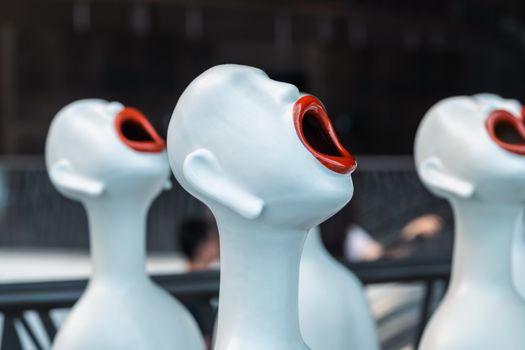 Photo: 小和尚 温柔的 / Pexels
The landscape of sculpture has been dramatically reshaped by the advent of modern and contemporary types of sculpture materials, pushing the boundaries of what is possible and challenging traditional notions of art. The 20th and 21st centuries have witnessed an explosion of innovative materials, ranging from plastics and resins to found objects and digital media, each opening new avenues for artistic expression. Plastics, particularly acrylic and polyester resins, have revolutionized sculpture by offering transparency, vibrant colors, and the ability to cast complex forms. Acrylic, often known by brand names like Plexiglas, can be cut, heated, bent, and polished to a brilliant sheen, allowing artists to create light-filled, ethereal, or sharply geometric sculptures. Its light weight and durability make it suitable for large-scale installations where traditional materials might be too heavy or fragile. Polyester resin, often combined with fiberglass, offers incredible strength and can be molded into virtually any shape. It's frequently used for public art, replicas, and sculptures that require a high degree of weather resistance. The ability to embed objects within clear resins also allows for fascinating layered effects and the preservation of ephemeral elements. While offering immense creative freedom, working with plastics and resins often involves handling chemicals, requiring proper ventilation and safety equipment. The synthetic nature of these materials has also sparked discussions about sustainability and environmental impact, prompting artists to consider recycled plastics and eco-friendly alternatives.
Discover more about contemporary art movements.
Beyond synthetic materials, the concept of 'found objects' or 'ready-mades' has profoundly impacted contemporary sculpture. Artists like Marcel Duchamp pioneered the idea of elevating everyday objects to the status of art simply by recontextualizing them. This approach liberates sculptors from the constraints of traditional materials and techniques, allowing them to create assemblages and installations from discarded items, industrial refuse, and natural debris. The meaning of such sculptures often arises from the juxtaposition of objects, their history, and the new narrative the artist imposes upon them. This democratic approach to materials emphasizes ideas and concepts over material value, opening art to a broader range of forms and interpretations. Furthermore, the digital age has introduced entirely new types of sculpture materials and processes. 3D printing, for example, allows artists to design complex forms digitally and then materialize them in a wide array of plastics, resins, metals, and even ceramics. This technology enables rapid prototyping, intricate geometries previously impossible to achieve by hand, and the creation of highly precise and repeatable forms. Virtual reality (VR) and augmented reality (AR) are also emerging as sculptural mediums, allowing artists to create immersive, interactive experiences that exist solely in the digital realm. These digital sculptures challenge our understanding of physicality and presence, offering new ways to engage with art. The continuous exploration of both new and unconventional materials ensures that sculpture remains a dynamic and evolving art form, constantly reflecting and shaping our understanding of the world.
Choosing the Right Sculpture Material: Tips and Considerations
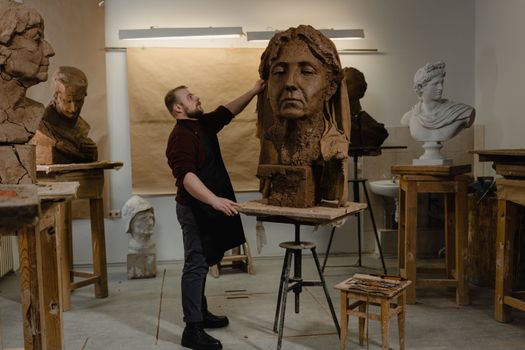 Photo: Tima Miroshnichenko / Pexels
Selecting the appropriate material from the vast array of types of sculpture materials is a critical decision that profoundly impacts the success and longevity of an artwork. It's not merely about aesthetic preference; practical considerations, technical skills, and the artist's conceptual intent all play vital roles. Here are key tips and considerations to guide your choice:
* **Consider Your Artistic Vision:** What story do you want to tell? What emotions do you want to evoke? A material's inherent qualities—its weight, texture, color, and even its historical associations—can amplify or detract from your message. For instance, a fragile concept might be best conveyed through delicate glass, while a theme of resilience might call for robust steel.
* **Evaluate Durability and Environment:** Where will the sculpture be displayed? If outdoors, it needs to withstand weather, UV radiation, and temperature fluctuations. Materials like bronze, stone, and certain plastics are excellent for outdoor resilience. Indoor sculptures have more flexibility but still benefit from materials that resist dust, humidity, and accidental damage. Think about the long-term preservation of your work.
* **Assess Workability and Your Skill Set:** Some materials, like clay, are highly forgiving and easy to manipulate, making them ideal for beginners. Others, such as marble or granite, require significant physical strength, specialized tools, and advanced carving skills. Be honest about your current expertise and your willingness to learn new techniques. It's often wise to start with more manageable materials before tackling complex ones.
* **Factor in Cost and Availability:** The price of raw materials can vary dramatically. Precious metals, certain exotic woods, and large blocks of high-quality stone can be very expensive. Also, consider the cost of specialized tools, safety equipment, and studio space. Availability can also be an issue; some materials are regionally specific or require special ordering. Budget constraints often guide material choices, especially for emerging artists.
* **Think About Weight and Scale:** A small, intricate piece might work well in a dense material like bronze, but a monumental outdoor sculpture would require careful consideration of weight for installation and structural integrity. Lightweight materials like aluminum, foam, or certain plastics can be advantageous for large-scale works or installations that need to be portable.
* **Explore Surface Treatment and Finish:** How do you envision the final surface? Some materials, like polished marble or smooth metal, have an inherent beauty. Others, like raw wood or unfinished clay, offer a rustic charm. Consider patinas, paints, glazes, and sealants that can enhance or protect your chosen material, and how these will interact with the material's original properties.
* **Safety Considerations:** Working with certain types of sculpture materials involves risks. Stone carving produces silica dust, metal welding involves fumes and heat, and resins require ventilation. Always prioritize safety by wearing appropriate personal protective equipment (PPE) and working in well-ventilated areas. Understanding the health hazards associated with your chosen material is paramount.
By carefully weighing these factors, sculptors can make informed decisions that align their artistic intent with the practical realities of material properties, ultimately leading to more successful and impactful creations. The choice of material is not just a technical step; it's an integral part of the artistic statement itself.
