How to Purchase Original Abstract Art for Your Collection
July 19, 2026 14 min read 2,894 words
Unlock the world of abstract art and find the perfect piece to elevate your space and spirit.
Start Your Art Journey
Understanding the Allure of Abstract Paintings
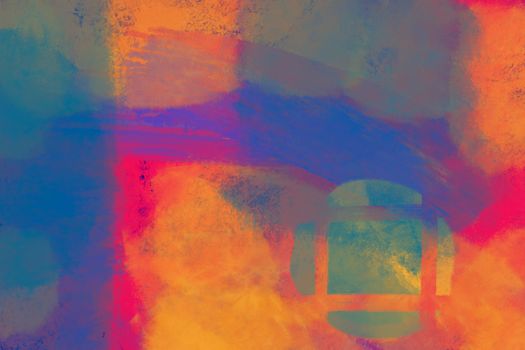 Photo: Steve A Johnson / Pexels
Abstract art, at its core, is a departure from representational depiction. It employs shapes, forms, colors, and gestural marks to achieve its effect, often evoking emotions, ideas, or spiritual concepts rather than portraying objective reality. This genre emerged in the early 20th century, challenging traditional notions of art and offering a new language for expression. Pioneers like Wassily Kandinsky, Piet Mondrian, and Jackson Pollock each contributed distinct philosophies and techniques, shaping the diverse landscape of abstract art we see today. The beauty of abstract art lies in its subjectivity; what one person perceives as chaotic, another finds profoundly harmonious. It invites viewers to engage on a deeply personal level, to interpret and connect with the artwork based on their own experiences and perspectives. When you decide to
purchase original abstract art, you're not just buying a decorative piece; you're acquiring a conversation starter, a mood enhancer, and a window into an artist's unique vision. The tactile quality of an original painting – the brushstrokes, the texture of the paint, the subtle variations in color that a print cannot replicate – adds an immeasurable dimension to its appeal. These elements tell a story of the artist's process, their energy, and the moments captured in the creation. For collectors, understanding these nuances is crucial. It’s about appreciating the artist's journey and the singular presence of the artwork. Moreover, abstract art often transcends trends, possessing a timeless quality that allows it to integrate seamlessly into various interior design styles, from minimalist to eclectic. Its non-representational nature means it doesn't depict a specific time or place, granting it a universality that can adapt and grow with your changing tastes and spaces. This enduring appeal makes it a compelling choice for those looking to invest in art that will continue to inspire and intrigue for years to come. The emotional resonance of abstract art is another powerful draw. It can be calming, invigorating, thought-provoking, or even challenging, depending on the piece. This ability to evoke a wide range of feelings without relying on recognizable imagery is what makes abstract art so uniquely captivating. It allows for a direct, unfiltered connection between the viewer and the artwork, fostering a dialogue that is both intimate and expansive. This profound engagement is often why people feel such a strong pull to own an original piece, seeking that direct connection to the artist's raw expression. Furthermore, abstract art offers a unique opportunity for self-expression within your living or working environment. The choice of an abstract piece reflects your personal taste, your openness to interpretation, and your appreciation for artistic freedom. It becomes an extension of your identity, transforming a mere wall into a canvas for your personal narrative. This deep connection to self and space is a significant motivator for those looking to acquire an original work. The journey of discovering and selecting an abstract piece is an art in itself, filled with exploration and personal revelation. This is why many find the process of acquiring abstract art to be so rewarding.
Navigating the Market: Where to Buy Abstract Art
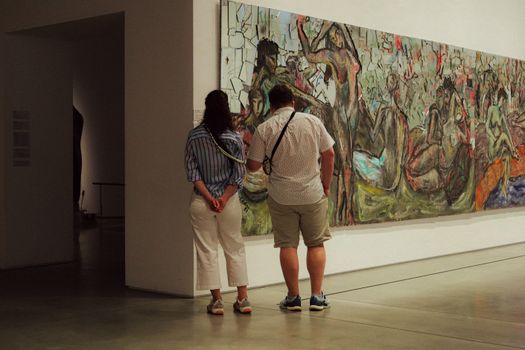 Photo: rana aldemir / Pexels
The market for original abstract art is diverse and accessible, offering various avenues for collectors at different stages and budgets. Understanding these channels is key to making a successful acquisition. Traditional art galleries remain a cornerstone for discovering established and emerging abstract artists. Galleries offer a curated experience, often specializing in certain styles or periods, and provide expert advice, provenance documentation, and often arrange shipping and installation. Visiting galleries in person allows you to see the art in its true form, appreciating scale, texture, and color fidelity that digital images can't fully convey. However, gallery prices can sometimes be higher due to overheads and the services provided. Art fairs, both local and international, are vibrant hubs where you can see a vast array of abstract art from numerous galleries and independent artists under one roof. Fairs like Art Basel, Frieze, and regional events in major US cities offer an intense, immersive experience, providing opportunities to meet artists and gallerists, discover new talent, and sometimes negotiate prices. The sheer volume can be overwhelming, so it’s wise to research participating galleries and artists beforehand. Online art platforms have revolutionized how we buy art, making it more accessible to a global audience. Websites like Saatchi Art, Artsy, Artfinder, and even Instagram have become powerful tools for artists to showcase their work directly to buyers. These platforms offer convenience, a wide selection, and often more competitive pricing, as artists can bypass traditional gallery commissions. Many online platforms also provide virtual viewing rooms, allowing you to visualize how a piece might look in your space. However, when buying online, it's crucial to verify the authenticity, ask for high-resolution images, and understand the return policy. Always look for platforms that offer certificates of authenticity and secure payment methods. Direct from artist purchases, often facilitated through their personal websites or social media, can be a rewarding experience. This allows for a direct connection with the creator, offering insights into their process and inspiration, and can sometimes result in better pricing without gallery markups. However, due diligence is paramount; ensure the artist is reputable and provides proper documentation. Auction houses, both major (Sotheby's, Christie's) and regional, are excellent sources for acquiring both historical and contemporary abstract art, often at competitive prices. Researching past auction results can provide valuable insights into market trends and artist values. While exciting, auctions require quick decision-making and a clear understanding of bidding increments and buyer's premiums. Each of these avenues presents unique benefits and considerations. The best approach often involves exploring a combination of these channels, allowing you to compare pieces, prices, and build relationships within the art community. For instance, you might discover an artist at an art fair, follow their work online, and eventually purchase a piece directly or through their gallery. Building a relationship with a trusted art advisor or gallerist can also be invaluable, especially for significant investments or for those new to collecting. They can provide personalized recommendations, market insights, and assist with negotiations and logistics. Ultimately, the 'best' place to buy depends on your personal preferences, budget, and comfort level with each type of transaction. The key is to be informed, patient, and to trust your instincts when a piece truly speaks to you. Remember that acquiring art is a journey, not just a transaction, and the experience of finding the perfect piece can be as enriching as owning it.
Factors to Consider When Collecting Abstract Art
 Photo: ArtHouse Studio / Pexels
Acquiring original abstract art is an exciting endeavor, but it requires careful consideration of several factors beyond just aesthetic appeal. Understanding these elements will empower you to make informed decisions and ensure your purchase is both personally satisfying and a potential long-term asset. First and foremost is the artist's reputation and trajectory. Research the artist's background, exhibition history, critical reception, and whether their work is part of institutional collections. An artist with a consistent exhibition record, positive reviews, and works in public collections often indicates a higher level of recognition and potential for value appreciation. While supporting emerging artists is commendable, be aware that their market value is less established. Provenance, or the history of ownership, is another critical factor. A clear, well-documented provenance confirms the artwork's authenticity and helps track its journey from the artist's studio to your collection. This is particularly important for older pieces or works by well-known artists, as it helps prevent issues of forgery or disputed ownership. Always request a certificate of authenticity (COA) directly from the artist or a reputable gallery. The medium and condition of the artwork also play a significant role. Abstract art can be created using various mediums, including oil, acrylic, mixed media, watercolor, or even digital prints. Each medium has its own characteristics, longevity, and care requirements. Examine the artwork for any signs of damage, fading, or restoration. Reputable galleries will disclose any condition issues, and for significant purchases, you might consider obtaining a professional condition report. The scale and dimensions of the artwork are practical considerations. Before making a purchase, measure the space where you intend to display the art. An abstract piece can dramatically alter a room's dynamics, and a work that is too large or too small can disrupt the visual balance. Consider how the colors, forms, and energy of the piece will interact with your existing decor and lighting. Framing is also an important aspect to consider. While some abstract pieces are unframed, many benefit from professional framing that complements the artwork without overpowering it. This not only enhances its presentation but also protects it. The emotional connection you feel with a piece is paramount. While financial investment can be a factor, the primary driver for many collectors is the joy and inspiration an artwork brings. An abstract piece should resonate with you, evoke a feeling, or challenge your perceptions. Don't simply buy what's trendy; buy what you love and what speaks to your soul. Finally, consider the investment potential. While art market trends can be unpredictable, certain factors can contribute to an artwork's long-term value, such as the artist's critical acclaim, rarity of their work, and historical significance. Consulting with an
art advisor can provide valuable insights into market dynamics and help you understand the potential for appreciation. However, it's generally advisable to purchase art primarily for enjoyment, with any financial returns being a secondary benefit. By carefully weighing these factors, you can approach the process of acquiring original abstract art with confidence and build a collection that is both personally fulfilling and aesthetically enriching. The journey of collecting is one of continuous learning and discovery, making each acquisition a unique and memorable experience.
Common Mistakes to Avoid When You Purchase Original Abstract Art
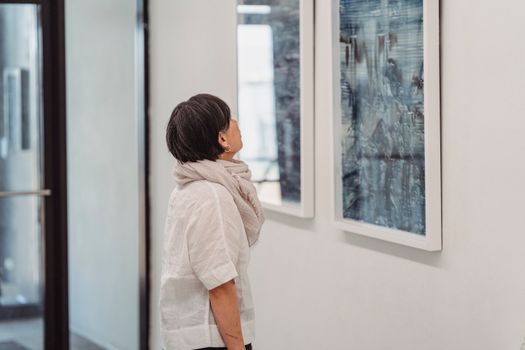 Photo: Greta Hoffman / Pexels
Acquiring original abstract art can be a deeply rewarding experience, but navigating the market without proper knowledge can lead to common pitfalls. Being aware of these mistakes will help you make more confident and satisfying purchases:
* **Buying Solely for Investment:** While some abstract art appreciates in value, treating it purely as a financial investment can lead to disappointment. The art market is complex and unpredictable. Prioritize buying what you love and what genuinely moves you, with any financial gain being a bonus.
* **Ignoring Provenance and Authenticity:** Failing to verify the artwork's history of ownership (provenance) and authenticity is a significant risk. Always request a Certificate of Authenticity (COA) and research the seller's reputation. Fraudulent art is a real concern.
* **Impulsive Purchases:** Don't rush into buying. Take your time to consider a piece, compare it with others, and visualize it in your space. Impulse buys can lead to buyer's remorse, especially if the piece doesn't fit your aesthetic or budget in the long run.
* **Neglecting Scale and Placement:** A common mistake is not considering how the artwork's size will impact your space. A piece might look stunning in a gallery but feel overwhelming or underwhelming in your home. Measure your walls and consider the surrounding decor before committing.
* **Overlooking Condition:** Always inspect the artwork carefully for any damage, fading, or signs of poor restoration, especially for older pieces. If buying online, request detailed high-resolution images and condition reports. Minor flaws can significantly impact value and aesthetic appeal.
* **Not Asking Enough Questions:** Don't hesitate to ask the artist or gallerist about the artwork's inspiration, materials used, care instructions, and their background. Knowledge is power, and a good seller will be happy to provide this information.
* **Failing to Budget for Additional Costs:** Beyond the artwork's price, remember to factor in costs for shipping, insurance, framing, and potentially installation. These can add a significant amount to your total expenditure.
* **Buying from Unreputable Sources:** Stick to established galleries, reputable online platforms, or artists with a verifiable track record. Purchasing from unknown sources increases the risk of acquiring a non-authentic or misrepresented piece.
By being mindful of these common mistakes, you can approach the process of acquiring original abstract art with greater confidence and ensure that your new acquisition brings lasting joy and value to your collection.