✓ Limited edition prints offer exclusivity and potential investment growth.
✓ Authenticity is paramount, requiring artist signatures and certificates.
✓ Edition size significantly impacts rarity and value.
✓ Condition of the print is crucial for preservation and resale value.
How It Works
1
Research Artists & Galleries
Identify artists whose work resonates with you and reputable galleries specializing in fine art prints. Look for established track records and positive reviews.
2
Understand Printmaking Techniques
Familiarize yourself with methods like lithography, etching, and giclée. This knowledge helps you appreciate the craftsmanship and potential value of different prints.
3
Verify Authenticity & Provenance
Always seek signed and numbered prints, accompanied by a Certificate of Authenticity (COA). Understand the print's history and previous ownership, if applicable.
4
Assess Condition & Framing
Carefully inspect the print for any damage, fading, or imperfections. Ensure proper archival framing is used to protect your investment from environmental harm.
Understanding the Value of Limited Edition Fine Art Prints
Photo: cottonbro studio / Pexels
When you decide to purchase limited edition fine art prints, you're not just acquiring a beautiful image; you're investing in a piece of an artist's vision, often with significant potential for appreciation. Unlike open edition prints, which can be reproduced indefinitely, limited editions are produced in a finite number, determined by the artist or publisher. This scarcity is a primary driver of their value. Each print within a limited edition is typically numbered (e.g., 1/100, meaning the first print out of 100) and signed by the artist, signifying its authenticity and the artist's direct approval. This signature is more than just a mark; it's a testament to the print's integrity and its place within the artist's body of work. The edition size itself plays a crucial role; smaller editions are generally more sought after and command higher prices due to their enhanced rarity. For example, a print from an edition of 25 will likely be more valuable than one from an edition of 250, assuming all other factors like artist reputation and print quality are equal. Beyond the numbers, the artistic merit and historical significance of the piece are paramount. Is the artist well-known, emerging, or historically significant? Has the artwork been exhibited in prestigious galleries or museums? These factors contribute to its cultural and monetary value. Furthermore, the medium and technique used in creating the print—be it a traditional lithograph, an intricate etching, or a high-quality giclée—also influence its desirability and price point. Understanding these nuances is the first step in making an informed decision when you purchase limited edition fine art prints. It's about appreciating the craft, the artist's intent, and the unique place each print holds in the art world. Always inquire about the total edition size, including artist's proofs (APs), printer's proofs (PPs), and other designations, as these can impact the perceived scarcity and overall value of the edition. The art market for prints can be dynamic, with values fluctuating based on artist popularity, market trends, and economic conditions. Therefore, while prints can be an investment, passion and appreciation for the art should always be primary motivators. Exploring the various types of collectible art can further enrich your understanding.
Navigating Authenticity and Provenance in Art Print Acquisitions
One of the most critical aspects when you purchase limited edition fine art prints is ensuring their authenticity and understanding their provenance. Authenticity refers to the guarantee that the print is genuinely created by the artist it's attributed to, and that it is an authorized part of a declared limited edition. The primary marker of authenticity is often the artist's signature, usually in pencil below the image, accompanied by the edition number. However, signatures can be forged, making a Certificate of Authenticity (COA) issued by a reputable gallery, publisher, or the artist themselves, an indispensable document. A COA should detail the artist's name, title of the work, medium, edition size, date of creation, and often a unique identification number. Provenance, on the other hand, is the history of ownership of a work of art from the time it was created. A robust provenance trail provides an unbroken chain of ownership, which not only validates the print's authenticity but also adds to its value and desirability. For example, if a print was once owned by a renowned collector or exhibited in a prestigious institution, its provenance would be considered exceptional. When acquiring prints, always ask for documentation related to its history, such as previous sales receipts, exhibition catalogs, or letters from the artist or gallery. Reputable dealers and galleries will be transparent about a print's provenance and readily provide all available information. Be wary of sellers who cannot provide clear documentation or who seem reluctant to answer questions about the print's history. The condition of the print also plays a significant role in its authenticity and value. A print that has been properly stored and cared for, free from fading, tears, creases, or foxing (age-related spots), will be far more valuable than one that has suffered damage. Archival framing, using acid-free materials and UV-protective glass, is essential for preserving the print's condition over time. Before finalizing your decision to purchase limited edition fine art prints, it's wise to request high-resolution images or, ideally, view the print in person to meticulously inspect its condition and verify all details presented. Due diligence in these areas protects your investment and ensures you are acquiring a genuine and valuable piece of art.
Choosing the Right Printmaking Technique and Care for Your Collection
When you decide to purchase limited edition fine art prints, understanding the various printmaking techniques is crucial, as each method offers unique aesthetic qualities and impacts the print's value and longevity. Traditional techniques include etching, lithography, woodcut, and screen printing (serigraphy). Etchings, for instance, are known for their intricate lines and rich textures, created by incising a metal plate with acid. Lithographs offer a painterly quality, allowing for a wide range of tones and colors through a process based on oil and water repulsion. Woodcuts present bold, graphic imagery, carved from a block of wood. Screen prints are celebrated for their vibrant colors and crisp edges, made by forcing ink through a mesh screen. More contemporary methods include giclée prints, which are high-quality inkjet reproductions of original artworks or digital creations. While some purists may debate the 'fine art' status of giclées compared to traditional hand-pulled prints, modern giclée technology, using archival inks and papers, produces stunningly accurate and durable results, often signed and numbered by the artist. Your choice of technique might depend on the artist's style, your personal aesthetic preference, and your budget. Each technique requires specific care to maintain its integrity. Proper care and display are paramount for preserving the value and beauty of your limited edition prints. Light, especially direct sunlight, is the enemy of all artworks, causing fading and degradation over time. Always display prints in areas with stable temperature and humidity, away from direct light sources. UV-protective glazing (glass or acrylic) in framing is highly recommended. The materials used in framing are equally important; all mat boards, backing boards, and tapes should be acid-free and archival quality to prevent damage to the print. Never use glues or non-archival tapes directly on the print. If possible, consult with a professional conservator or a reputable custom framer who specializes in fine art. They can advise on the best archival methods to protect your investment. Regular, gentle dusting and avoiding touching the print surface are also critical. Should your print require cleaning or restoration, always seek professional help rather than attempting it yourself. Investing in knowledge about printmaking techniques and committing to proper care are essential steps after you acquire art for your collection.
Common Pitfalls and Smart Strategies When You Purchase Limited Edition Fine Art Prints
Embarking on the journey to purchase limited edition fine art prints can be incredibly rewarding, but it's essential to be aware of common pitfalls and employ smart strategies to ensure a positive experience and a valuable acquisition. Here are some key tips and mistakes to avoid:
**Pitfalls to Avoid:**
* **Impulse Buys:** Don't rush into a purchase based solely on emotional appeal. While passion is important, always conduct thorough research on the artist, print, and seller.
* **Ignoring Provenance & Authenticity:** Skipping the verification of signatures, edition numbers, and COAs is a major risk. Unverified prints are often worthless or fakes.
* **Overlooking Condition:** A print with significant damage (tears, creases, heavy foxing) will drastically lose value, regardless of its rarity. Always inspect carefully.
* **Poor Framing Choices:** Non-archival framing materials can cause irreversible damage over time, leading to acid burn, fading, and mold. Avoid cheap, off-the-shelf frames.
* **Not Understanding Edition Types:** Be clear about what constitutes a 'limited edition'. Some sellers might misrepresent open editions or use ambiguous terms. Understand APs, PPs, and other proofs.
**Smart Strategies to Employ:**
* **Research Thoroughly:** Dive deep into the artist's background, market history, and the specific print's details. Use resources like art market databases and reputable auction results.
* **Buy from Reputable Sources:** Stick to established art galleries, authorized dealers, and well-known online art platforms with strong return policies and authenticity guarantees.
* **Get Everything in Writing:** Ensure all details – price, condition, authenticity, edition information – are clearly documented in a sales agreement or invoice.
* **Consider Insurance:** For valuable prints, consider adding them to your home insurance policy or getting specialized art insurance. This protects your investment against theft, damage, or loss.
* **Network with Other Collectors:** Join art collecting communities or forums. Learning from experienced collectors can provide invaluable insights and warnings about potential scams.
* **Educate Yourself Continuously:** The art market is always evolving. Stay informed about new artists, printmaking techniques, and market trends. The more you know, the better decisions you'll make.
By being diligent and strategic, you can confidently navigate the art market and build a collection of limited edition fine art prints that brings you joy and potentially grows in value.
Comparison
Feature
Reputable Gallery
Online Art Platform
Private Seller
Authenticity Guarantee
Strong (COA, provenance)
Good (platform dependent)
Variable (high risk)
Expert Guidance
High (personal advice)
Limited (online info)
None
Selection Range
Curated (specific focus)
Broad (many artists)
Limited (individual works)
Price Transparency
Clear (often fixed)
Good (listed prices)
Negotiable (less transparent)
After-sales Support
Excellent (framing, care)
Moderate (platform policy)
None
Risk of Fraud
Low
Medium
High
Opportunity for Discovery
✓
✓
✗
What Readers Say
★★★★★
"I recently decided to purchase limited edition fine art prints for my new home, and this guide was a lifesaver. It helped me understand what to look for in terms of authenticity and how to choose a reputable gallery. My print arrived perfectly, and I'm thrilled with the quality."
Eleanor Vance · Seattle, WA
★★★★★
"As a first-time art buyer, the idea of collecting limited edition prints was daunting. This article broke down the complex aspects into digestible information, especially the section on provenance. I now feel confident in my ability to make informed purchases."
Marcus Chen · Brooklyn, NY
★★★★★
"After reading this, I successfully acquired a stunning limited edition print by a rising artist. The advice on checking for COAs and understanding printmaking techniques was invaluable. It truly elevated my collecting experience and ensured I got a genuine piece."
Sophia Rodriguez · Austin, TX
★★★★★
"The information on caring for prints was particularly helpful. I had a few older prints that weren't framed archivally, and the guide prompted me to get them professionally reframed. While I still have some learning to do, this was a fantastic starting point for my journey to purchase limited edition fine art prints."
David Lee · Chicago, IL
★★★★★
"I've been a casual collector for years, but this article provided a deeper dive into the investment potential and market dynamics of limited edition prints. It reinforced my current strategies and offered new perspectives on valuing artists' works. Highly recommend for both new and experienced collectors."
Chloe Davies · Miami, FL
Frequently Asked Questions
What is the most important factor when I purchase limited edition fine art prints?
The most important factor is authenticity, closely followed by provenance and condition. Always ensure the print is genuinely by the artist, part of a declared limited edition, has a verifiable history of ownership, and is in excellent physical condition. These elements collectively determine its value and desirability.
How can I be sure a limited edition print is not a fake?
To minimize the risk of fakes, always purchase from reputable galleries, authorized dealers, or well-established online platforms. Insist on a signed and numbered print, accompanied by a comprehensive Certificate of Authenticity (COA) from the artist or publisher. Research the artist's signature and edition practices for consistency.
What are the different types of printmaking techniques and how do they affect value?
Common techniques include etching, lithography, woodcut, screen printing, and giclée. Traditional hand-pulled methods often command higher values due to their labor-intensive nature and historical significance. Giclées, while high-quality, are often priced differently, though artist reputation and scarcity still heavily influence their value.
Are limited edition fine art prints a good investment?
Limited edition fine art prints can be a good investment, but like any art investment, there are no guarantees. Their value can appreciate based on the artist's rising fame, market demand, and the print's rarity and condition. However, passion for the art itself should always be a primary motivator, with investment potential as a secondary benefit.
How do limited edition prints compare to original paintings in terms of value?
Generally, original paintings are more valuable than limited edition prints because they are unique, one-of-a-kind creations. However, a limited edition print by a highly renowned artist can often be more valuable than an original painting by a lesser-known artist. The artist's reputation, the print's rarity, and its historical significance are key factors.
Who should consider collecting limited edition fine art prints?
Anyone with an appreciation for art, an interest in supporting artists, or a desire to own unique, high-quality artworks without the higher price tag of original paintings should consider collecting limited edition prints. They are also ideal for those looking to start an art collection with potential investment growth.
What are the risks involved in purchasing limited edition fine art prints online?
Risks include misrepresentation of authenticity, condition, or provenance, and potential shipping damage. Mitigate these risks by buying from trusted online platforms with strong buyer protection, clear return policies, and detailed descriptions with high-resolution images. Always verify seller reputation and reviews.
What future trends should I be aware of when collecting art prints?
Keep an eye on emerging digital artists, artists exploring new printmaking technologies, and the increasing convergence of physical and digital art (e.g., NFTs paired with physical prints). Sustainability in art production and the provenance tracking via blockchain are also growing trends that could impact the future market for prints.
Ready to enrich your home or collection? With the right knowledge and a discerning eye, you can confidently purchase limited edition fine art prints that resonate with your aesthetic and offer lasting value. Start your journey today and discover the perfect piece to inspire and captivate.

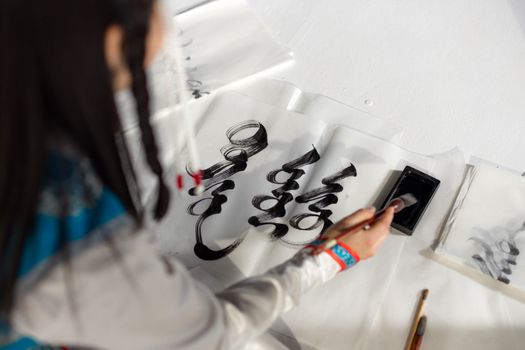 Photo: cottonbro studio / Pexels