✓ You don't need natural talent to start painting; practice and passion are key.
✓ Acrylics are often recommended for beginners due to their versatility and quick drying time.
✓ Starting with basic supplies is sufficient; you don't need expensive equipment.
✓ Learning fundamental techniques like color mixing and brush strokes is crucial for progress.
How It Works
1
Gather Your Essential Supplies
Begin by acquiring a basic set of paints, brushes, and a suitable surface. This initial investment doesn't have to be large or expensive.
2
Understand Basic Color Theory
Learn about primary, secondary, and tertiary colors, and how to mix them effectively. This foundational knowledge will greatly enhance your painting.
3
Practice Fundamental Techniques
Experiment with various brush strokes, blending, and layering. Dedicate time to simple exercises before tackling complex compositions.
4
Start with Simple Subjects
Choose easy subjects like still life arrangements, simple landscapes, or abstract shapes. This builds confidence and allows you to focus on technique.
Demystifying Your First Steps: Why Now is the Time to Paint
Photo: Mikhail Nilov / Pexels
Many aspiring artists hesitate, believing they lack the 'talent' or 'time' to embark on a creative journey. The truth is, painting is a skill, not just an innate gift, and it's accessible to everyone, regardless of age or background. If you've ever felt a pull towards expressing yourself visually, now is genuinely the best time to start. The benefits extend far beyond creating beautiful art; painting can be a powerful stress reliever, a meditative practice, and a wonderful way to boost self-esteem. It encourages mindfulness, improves observation skills, and allows for a unique form of self-expression that words often cannot capture. For beginners, the initial hurdle often feels like a mountain, but it's more like a gentle slope. The key is to approach it with curiosity and a willingness to experiment, rather than aiming for perfection from day one. Think of it as learning a new language – you start with basic vocabulary and grammar before writing a novel. Similarly, in painting, you'll begin with understanding your tools and fundamental techniques. There's a vast and supportive community of artists online and in local classes who are eager to share their knowledge and encourage newcomers. Don't let the fear of a blank canvas deter you; embrace it as an opportunity for discovery. This guide is specifically designed to break down the process of how to start painting for beginners into manageable, exciting steps, ensuring you feel equipped and inspired from the very beginning. We'll cover everything from selecting your first set of paints to understanding basic color theory and finding your unique artistic voice. Remember, every master painter started exactly where you are now: with a desire to create. Your artistic journey is a personal one, and there's no right or wrong way to express yourself. The most important thing is to simply begin. Explore the world of arts and discover the joy of bringing your visions to life on canvas. This section aims to dismantle common misconceptions and instill confidence, setting a positive tone for the entire learning process. It emphasizes that painting is for everyone and highlights the mental and emotional benefits of engaging in this creative activity.
Essential Supplies for the Aspiring Painter: What You Really Need
Photo: AI25.Studio Studio / Pexels
One of the most common questions for anyone wondering how to start painting for beginners is, "What supplies do I actually need?" The good news is, you don't need to break the bank to get started. Focusing on a few quality basics will serve you much better than a vast array of cheap, ineffective tools. Let's break down the essentials:
**Paints:** For beginners, acrylic paints are highly recommended. They are water-soluble, meaning easy cleanup with soap and water, and they dry relatively quickly, allowing for layering without long waits. They are also versatile and can be used on various surfaces. A basic set of primary colors (red, blue, yellow), black, and white is an excellent starting point. Brands like Liquitex Basics, Winsor & Newton Galeria, or Golden Heavy Body are good choices.
**Brushes:** Don't get overwhelmed by the sheer variety. A starter pack with a few different shapes and sizes will suffice. Look for a flat brush (for broad strokes and edges), a round brush (for details and lines), and perhaps a filbert brush (a flat brush with an oval tip, good for blending). Synthetic brushes are durable and work well with acrylics.
**Surfaces:** Canvas is the classic choice, but you can start with canvas boards or even thick paper (like watercolor paper or mixed-media paper) for practice. These are more affordable and less intimidating than a large stretched canvas. Primed surfaces are best, as they prevent the paint from soaking in too quickly.
**Palette:** A simple plastic palette, an old ceramic plate, or even wax paper can serve as a mixing surface. The goal is to have a non-absorbent surface to mix your colors.
**Water Container:** Two containers are ideal: one for initial rinsing of brushes and another for cleaner water for final rinses. Old yogurt cups or plastic containers work perfectly.
**Paper Towels or Rags:** Essential for wiping excess paint from brushes and cleaning up spills.
**Easel (Optional):** While an easel can be helpful, especially for maintaining posture and perspective, it's not strictly necessary for beginners. You can easily paint at a table.
Investing in a few good quality items rather than many cheap ones will make your initial painting experience much more enjoyable and less frustrating. You can always expand your collection as you discover your preferences and needs. Remember, the goal is to get started, not to have the most expensive studio. Focus on understanding your tools and how they interact with the paint and surface.
Mastering Basic Techniques: Your Foundation for Artistic Expression
Photo: Pavel Danilyuk / Pexels
Once you have your supplies, the next crucial step in how to start painting for beginners is to familiarize yourself with fundamental techniques. These building blocks will empower you to translate your ideas onto the canvas with greater control and confidence. Don't rush through these; practice is key to developing muscle memory and an intuitive understanding of your materials.
**Color Mixing:** This is arguably the most vital skill. Start with your primary colors (red, blue, yellow) and learn how to mix them to create secondary colors (orange, green, purple). Experiment with adding white to lighten colors (creating tints) and black to darken them (creating shades). Understanding how colors interact and how to achieve the specific hues you desire will transform your painting. A color wheel can be an invaluable tool here. Practice mixing a wide range of colors on your palette and observe how small adjustments change the outcome. Pay attention to how different brands of paint might mix slightly differently.
**Brush Strokes:** Each brush shape and size will create a unique mark. Experiment with holding your brush differently – closer to the bristles for more control, further back for looser strokes. Try varying the pressure you apply: light pressure for thin lines, heavier pressure for broader marks. Practice making straight lines, curved lines, dots, and washes. Use your flat brush for sharp edges and broad coverage, your round brush for details and expressive lines, and your filbert for soft blending. Don't be afraid to try unconventional tools too, like sponges or even your fingers, to see what textures they create.
**Layering:** Acrylics are excellent for layering because they dry quickly. This allows you to build up your painting in stages. Start with thin washes for your base layers, then gradually add thicker paint and more detail. Understand that each layer can influence the one above it, especially if the underlying layer is still wet. This technique is essential for creating depth, texture, and complex color interactions. Experiment with opaque layers (where the underlying color is completely covered) and translucent layers (where the underlying color shows through).
**Blending:** This technique involves smoothly transitioning one color into another. With acrylics, you need to work relatively quickly before the paint dries. You can blend wet-on-wet (mixing colors directly on the canvas while they are still wet) or use a dry brush technique to soften edges. Practice creating gradients from light to dark or from one color to another. Blending is crucial for creating realistic forms, shadows, and atmospheric effects. Discover more advanced painting techniques as you progress.
**Texture:** Beyond smooth blending, explore creating texture. This can be achieved by using thicker paint (impasto), applying paint with a palette knife, or even mixing mediums into your paint. Texture adds visual interest and can make your paintings more dynamic and engaging. Don't be afraid to get messy and experiment with different ways to apply paint. The more you experiment with these basic techniques, the more comfortable and confident you'll become, laying a solid foundation for more complex artistic endeavors.
Common Pitfalls and How to Avoid Them: Tips for New Painters
Photo: Tima Miroshnichenko / Pexels
Embarking on your painting journey is exciting, but like any new skill, there are common hurdles beginners face. Being aware of these pitfalls can help you navigate them more smoothly and keep your enthusiasm high. Here are some key tips for anyone learning how to start painting for beginners:
* **Don't Compare Yourself to Others:** It's easy to look at seasoned artists' work and feel discouraged. Remember, they've had years of practice. Focus on your own progress and enjoy the process of learning. Your unique style will emerge over time.
* **Avoid Overworking Your Painting:** Beginners often try to fix every perceived mistake, leading to muddy colors and overworked canvases. Sometimes, it's better to step away, let the paint dry, and come back with fresh eyes, or even start a new piece. Learn when to stop.
* **Don't Be Afraid of the Blank Canvas:** The empty canvas can be intimidating. Instead of seeing it as a challenge to create a masterpiece, view it as an opportunity for exploration. Start with a light wash of color or some abstract marks to break the ice.
* **Neglecting Value Studies:** Value (the lightness or darkness of a color) is more important than color itself for creating form and depth. Practice creating monochromatic paintings or sketches focusing solely on values. This will dramatically improve your ability to render objects realistically.
* **Using Too Much Water with Acrylics:** While acrylics are water-soluble, adding too much water can dilute the pigment, making it behave more like watercolor and losing its vibrancy and opacity. Use water sparingly to thin paint or clean brushes.
* **Not Cleaning Brushes Properly:** Dried paint in your brushes can ruin them. Always clean your brushes thoroughly with soap and water immediately after use. This prolongs their life and ensures consistent paint application.
* **Ignoring Color Theory:** Without a basic understanding of color theory, your paintings might lack harmony or impact. Spend time learning about primary, secondary, and tertiary colors, complementary colors, and warm/cool tones. This knowledge is invaluable.
* **Trying to Paint Too Complex Subjects Too Soon:** Start simple. A single apple, a basic landscape, or abstract shapes are perfect for practicing techniques without the pressure of complex composition. Build confidence before tackling intricate scenes.
* **Not Taking Breaks:** Staring at a painting for too long can make you lose perspective. Step away, even for a few minutes, to rest your eyes and mind. You'll often spot areas for improvement or new ideas when you return.
* **Forgetting to Have Fun:** Painting should be an enjoyable and therapeutic process. If you find yourself getting frustrated, take a step back and remember why you started. Embrace mistakes as learning opportunities and celebrate small victories. Your artistic journey is a marathon, not a sprint, and every stroke is a part of your unique path. Enjoy the ride!
Comparison
Feature
Acrylics (Best for Beginners)
Oils (Advanced)
Watercolors (Challenging)
Drying Time
Fast (minutes)
Slow (days/weeks)
Fast (seconds/minutes)
Cleanup
Water & Soap
Solvents (Turpentine/Mineral Spirits)
Water & Soap
Versatility
High (various surfaces, textures)
Medium (canvas, wood)
Medium (paper, specific surfaces)
Opacity/Transparency
Both (can be opaque or translucent)
Both (can be opaque or translucent)
Primarily Translucent
Cost (Starter Set)
Moderate
Higher
Moderate
What Readers Say
★★★★★
"This guide truly helped me understand how to start painting for beginners. I was overwhelmed by choices, but now I feel confident picking my first set of acrylics and brushes. The tips on color mixing were especially helpful!"
Sarah J. · Austin, TX
★★★★★
"I've always wanted to paint but never knew where to begin. This article broke down the process into easy, actionable steps. I've already bought my supplies and completed my first abstract piece!"
Mark D. · Seattle, WA
★★★★★
"Following this guide on how to start painting for beginners, I went from never holding a brush to creating a small landscape I'm proud of in just a few weeks. The advice on not comparing yourself to others was a game-changer for my confidence."
Emily R. · Miami, FL
★★★★★
"While the guide is excellent for absolute beginners, I would have loved a few more specific project ideas to get started. However, the foundational knowledge provided is top-notch and incredibly useful."
David L. · Chicago, IL
★★★★★
"As someone who thought I had no artistic bone in my body, this resource on how to start painting for beginners made it approachable and fun. I'm now enjoying painting as a relaxing hobby after work."
Jessica M. · Denver, CO
Frequently Asked Questions
What is the easiest type of paint for beginners to start with?
Acrylic paints are generally considered the easiest and most forgiving for beginners. They are water-soluble, dry quickly, and can be used on a variety of surfaces. Their fast drying time allows for quick layering and corrections, making the learning process less frustrating.
Do I need natural talent to start painting?
Absolutely not! Painting is a skill that can be learned and developed through practice, patience, and persistence. While some individuals may have a natural inclination, anyone can learn to paint and enjoy the process. Focus on consistent effort rather than innate talent.
How do I choose the right brushes for a beginner?
Start with a basic set that includes a few different shapes and sizes. A flat brush (for broad strokes), a round brush (for details), and a filbert brush (for blending) are excellent starting points. Synthetic brushes are durable and versatile for acrylics.
How much should I expect to spend on beginner painting supplies?
You can get a decent starter set of acrylic paints, a few brushes, and some canvas boards for anywhere from $30 to $70. It's best to invest in a few quality items rather than many cheap ones, as better quality supplies will provide a more enjoyable experience.
Is it better to take an online course or learn from books/tutorials?
Both methods have their merits. Online courses often provide structured lessons and visual demonstrations, which can be very helpful. Books and free tutorials offer flexibility and allow you to learn at your own pace. Many beginners benefit from a combination of resources.
Who should consider learning how to start painting for beginners?
Anyone looking for a creative outlet, a stress-relieving hobby, or a new way to express themselves should consider learning to paint. It's suitable for all ages and backgrounds, offering a rewarding journey of self-discovery and skill development.
Are there any safety concerns with beginner painting supplies?
For acrylics, most beginner-friendly brands are non-toxic and water-based, posing minimal safety concerns. Always ensure good ventilation, especially if using any spray fixatives or mediums. Read product labels for specific safety instructions, particularly if venturing into oil paints later.
What are the emerging trends in beginner painting?
Current trends include digital painting as an entry point, 'paint and sip' events for social learning, and a growing interest in abstract and mindful painting for relaxation. Many artists also embrace eco-friendly and sustainable art practices, even for beginners.
Ready to unleash your inner artist? This comprehensive guide on how to start painting for beginners has equipped you with the knowledge and confidence to take that exciting first step. Don't wait – gather your supplies, embrace the process, and discover the immense joy and satisfaction of bringing your creative visions to life on canvas.
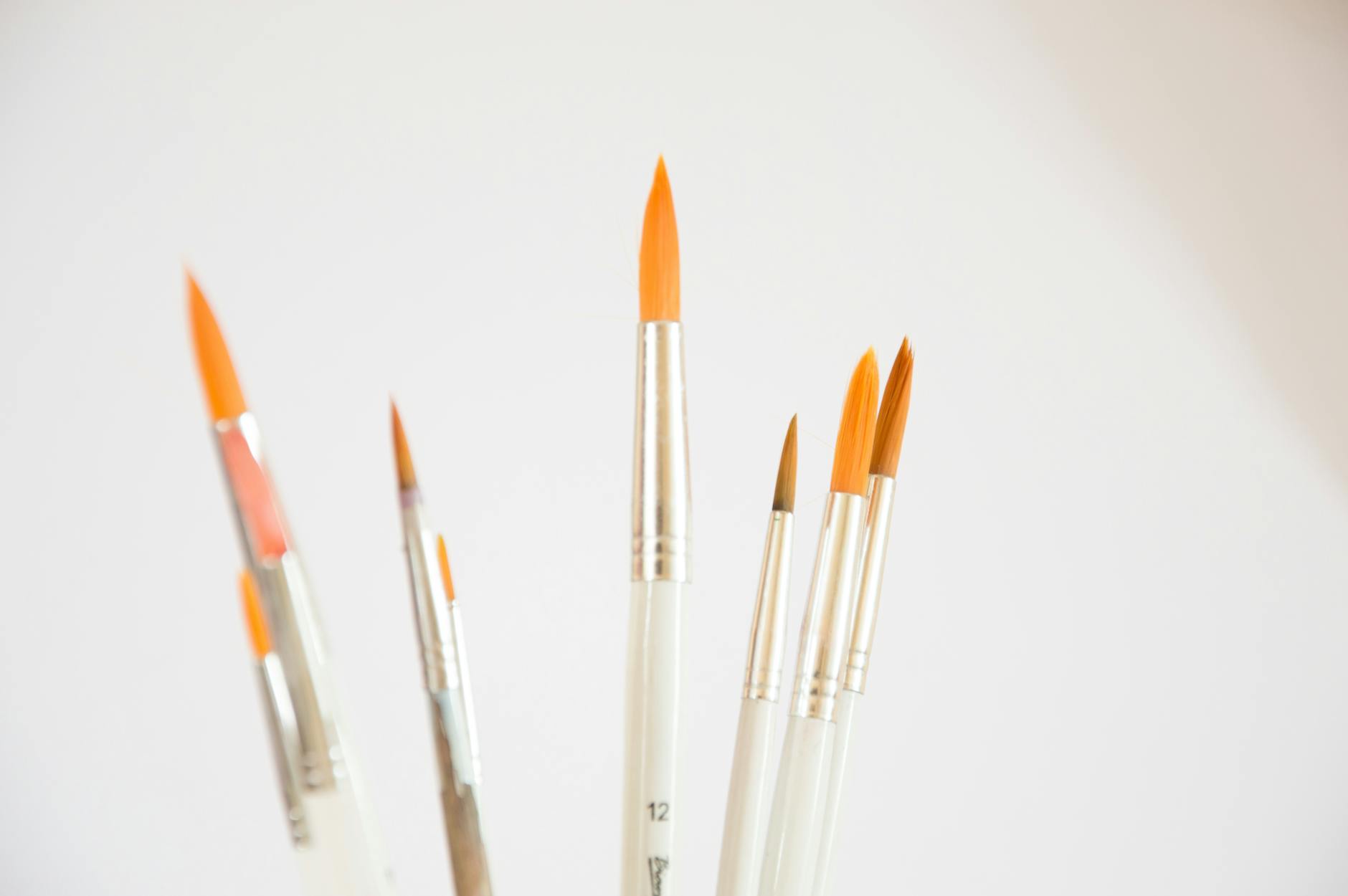
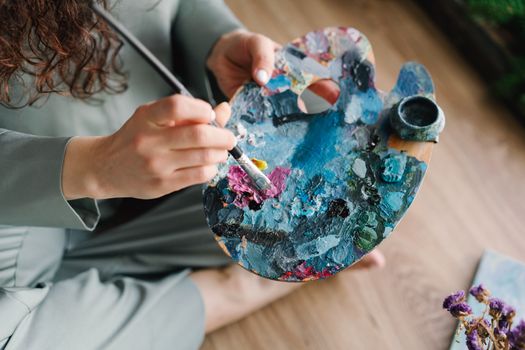 Photo: Mikhail Nilov / Pexels
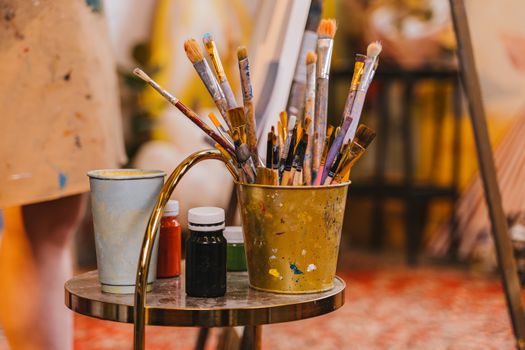 Photo: AI25.Studio Studio / Pexels
 Photo: Pavel Danilyuk / Pexels
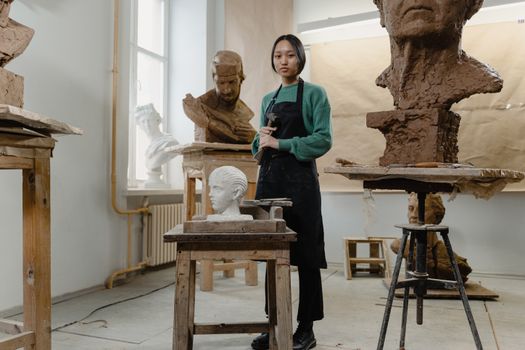 Photo: Tima Miroshnichenko / Pexels