✓ Art collecting is accessible to all budgets, not just the wealthy.
✓ Personal taste and passion should always guide your initial choices.
✓ Research and education are crucial before making significant purchases.
✓ Building relationships with galleries and artists is highly beneficial.
How It Works
1
Define Your Taste & Budget
Before buying, explore different art styles, periods, and mediums to understand what truly resonates with you. Simultaneously, establish a realistic budget, as art prices vary widely.
2
Educate Yourself & Research
Visit museums, galleries, and art fairs. Read books, articles, and artist biographies. Understanding the art market and the artists you admire is paramount.
3
Source & Connect
Identify reputable sources like established galleries, artist studios, and online platforms. Building relationships with gallerists and artists can open doors to unique opportunities and insights.
4
Acquire & Document
When you find a piece you love and can afford, make the purchase. Always obtain a certificate of authenticity and keep detailed records of your acquisition, including price, artist, and date.
Understanding Your Artistic Vision and Budget for Art Collecting
Photo: Eugene Laszczewski / Pexels
Embarking on the journey of how to start an art collection can feel daunting, but the most crucial first step is to truly understand yourself – your tastes, your passions, and your financial boundaries. Many aspiring collectors make the mistake of immediately looking for 'investment pieces' or what they perceive as 'important art' without first developing their own discerning eye. This often leads to purchases that don't resonate personally, ultimately diminishing the joy of collecting. Begin by asking yourself: What kind of art truly moves you? Is it abstract expressionism, classical portraiture, contemporary photography, or perhaps something entirely different like street art or sculpture? Spend time exploring various art forms, visiting local museums, university galleries, and even open studio events. Don't feel pressured to like what others deem 'good'; your collection should be a reflection of your unique perspective. Look at art online, but nothing truly replaces the experience of seeing a piece in person. The scale, texture, and subtle nuances often get lost on a screen. Pay attention to how different pieces make you feel, what stories they tell, and how they might fit into your living or working space. This process of self-discovery is not only enjoyable but also foundational to building a cohesive and meaningful collection.
Once you have a nascent understanding of your aesthetic preferences, it's time to address the practical side: your budget. Dispelling the myth that art collecting is only for the ultra-wealthy is critical. While multi-million dollar pieces dominate headlines, the vast majority of the art market operates at much more accessible price points. You can find incredible original art, prints, and limited editions for hundreds, or even just tens, of dollars. The key is to be realistic about what you can comfortably afford without financial strain. Set a clear budget range for individual pieces and for your collection as a whole over a specific period (e.g., annually). This doesn't mean you can't save up for a more significant piece, but it helps guide your initial searches. Remember, a smaller budget often encourages more thoughtful research and discovery of emerging artists, which can be incredibly rewarding. Don't be afraid to start small; a collection grows over time. The value isn't solely monetary; the personal enrichment and aesthetic pleasure derived from living with art are often far greater. Consider framing costs as well, as a good frame can significantly enhance a piece and protect it for years to come. Many galleries offer payment plans, making higher-priced pieces more attainable. Don't hesitate to inquire about these options. Building a collection is a marathon, not a sprint, and your budget should reflect that sustainable pace. A well-curated collection built on personal passion, regardless of price point, will always be more fulfilling than one assembled solely for perceived investment potential. Explore different art mediums to broaden your horizons and find what speaks to you.
Navigating the Art Market: Where to Find and Evaluate Art
Photo: rana aldemir / Pexels
With your artistic vision and budget in place, the next step in how to start an art collection involves actively engaging with the art market. This can seem like a labyrinth, but with a strategic approach, you can uncover hidden gems and connect with reputable sources. The art market is diverse, encompassing a wide range of venues, each with its own characteristics and price points. Traditional brick-and-mortar galleries remain a cornerstone for discovering established and emerging artists. Visiting galleries allows you to see art in a curated setting, often with expert staff who can provide invaluable insights into the artist's practice, provenance, and market history. Don't be intimidated; gallerists are generally passionate about art and eager to share their knowledge with genuine enthusiasts, regardless of your current budget. Build relationships with gallerists whose taste aligns with yours, as they can often alert you to new works or artists that might suit your collection. Art fairs, both local and international, offer a fantastic opportunity to see a vast array of art from many galleries under one roof. They can be overwhelming, so it's wise to research participating galleries and artists beforehand and prioritize your visits. These events are excellent for spotting trends, meeting artists, and comparing different styles and price ranges.
Beyond traditional galleries and fairs, the digital realm has revolutionized art accessibility. Online art platforms like Artsy, Saatchi Art, and Artnet offer extensive databases of artists and works from galleries worldwide. These platforms can be an excellent starting point for research and discovery, allowing you to filter by price, medium, style, and artist location. While convenient, always exercise due diligence when purchasing online, ensuring the seller is reputable and that you understand the return policy and shipping logistics. Emerging artists often sell directly from their studios, at local art markets, or through their personal websites and social media. Buying directly from an artist can be incredibly rewarding, offering a direct connection to the creator and often more accessible pricing. However, it's important to verify the artist's credentials and the authenticity of the work. University art departments and student shows are also fertile ground for discovering promising talent at the very beginning of their careers. When evaluating a piece, go beyond initial attraction. Consider its condition, especially for older works. Ask about the artist's resume, their exhibition history, and whether their work is held in any public or private collections. For prints, understand the edition size and whether it's signed and numbered. Always request a certificate of authenticity (COA) for any significant purchase; this document verifies the artwork's legitimacy and provenance. Remember, collecting is a journey of continuous learning and discovery. The more you engage with the art world, the more confident and discerning you will become. Don't rush; enjoy the process of finding pieces that truly speak to you and enhance your personal space. Building a strong foundation of knowledge and trustworthy contacts will serve you well as your collection evolves.
Building and Curating Your Art Collection with Intent
Photo: Max Vakhtbovych / Pexels
Once you've begun acquiring pieces, the art of how to start an art collection shifts towards building and curating with intent. A collection is more than just a random assortment of artworks; it's a narrative, a personal statement, and a reflection of your evolving aesthetic. Thoughtful curation ensures that your collection tells a cohesive story, whether that story is about a particular movement, a recurring theme, or simply your journey of discovery. As your collection grows, periodically step back and assess its overall direction. Do the pieces complement each other? Is there a dialogue between them? While your initial purchases might be driven by pure impulse and passion (which is perfectly fine!), a more mature collection often benefits from a guiding principle, even if that principle is simply 'what I love.' Consider how each new acquisition fits into the existing tapestry of your collection. Does it add a new dimension, challenge a previous idea, or reinforce a particular theme? This doesn't mean every piece must perfectly align, but rather that there's a conscious decision-making process behind each addition. This intentionality elevates your collection from a mere accumulation to a truly curated ensemble.
Beyond acquisition, proper care and documentation are paramount for preserving your collection. Each artwork should be accompanied by a comprehensive record. This includes the artist's name, title of the work, date of creation, medium, dimensions, purchase price, date of purchase, and the name of the gallery or dealer. A photograph of the artwork is also essential. This documentation is crucial for insurance purposes, for future valuations, and for establishing provenance. Store these records securely, both physically and digitally. For the physical artworks themselves, consider environmental factors. Avoid direct sunlight, which can fade colors and damage materials. Maintain stable temperature and humidity levels to prevent warping, cracking, or mold growth. For valuable pieces, professional framing with archival materials is a must. If you have significant pieces, consider specialized art insurance; your standard homeowner's policy might not offer adequate coverage. Displaying your art is another aspect of curation. Think about lighting, wall space, and how different pieces interact when placed near each other. Don't be afraid to move things around or rotate pieces to keep your space feeling fresh and to give different artworks their moment in the spotlight. Finally, remember that a collection is a living entity, always subject to change and evolution. Your tastes will mature, new artists will emerge, and your understanding of art will deepen. Don't be afraid to refine your collection over time, perhaps by selling or donating pieces that no longer resonate, to make room for new acquisitions that reflect your current passion. The journey of collecting is lifelong, offering continuous opportunities for learning, aesthetic pleasure, and personal growth. Discover artists who align with your evolving taste.
Common Pitfalls and Smart Strategies for New Art Collectors
Photo: KATRIN BOLOVTSOVA / Pexels
As you navigate how to start an art collection, being aware of common pitfalls can save you from costly mistakes and enhance your collecting experience. Avoiding these traps will ensure your journey is more rewarding and sustainable.
**Common Pitfalls:**
* **Buying for Investment Only:** While some art appreciates in value, buying solely for investment without genuine personal connection often leads to dissatisfaction. The art market is unpredictable, and true investment-grade art requires deep expertise and significant capital. Your primary motivation should be passion and enjoyment.
* **Impulse Buys Without Research:** Falling in love with a piece is wonderful, but always take a moment to research the artist, the gallery, and the market for similar works. A quick decision can lead to overpaying or acquiring a piece that doesn't fit your collection.
* **Neglecting Provenance and Authenticity:** Failing to obtain proper documentation, such as a Certificate of Authenticity (COA) or a clear provenance, can devalue a piece and make it difficult to sell or insure later. Always ask for these documents.
* **Ignoring Condition:** Especially for older works, the condition of a piece significantly impacts its value and longevity. Be aware of repairs, restorations, or damage. If unsure, consult a professional conservator.
* **Overspending:** Sticking to your budget is crucial. Don't let the excitement of a purchase push you into financial discomfort. There will always be more art.
**Smart Strategies:**
* **Educate Yourself Continuously:** Read art books, visit museums, attend lectures, and subscribe to art publications. The more you know, the more confident you'll become in your decisions.
* **Build Relationships:** Cultivate connections with gallerists, artists, art advisors, and other collectors. These relationships can provide access to valuable insights, private viewings, and opportunities.
* **Start Small and Local:** Begin with prints, photographs, or works by emerging local artists. This allows you to develop your eye and understand your preferences without a huge financial commitment. Local art fairs and open studios are great starting points.
* **Trust Your Eye (But Verify):** Your personal taste is paramount, but always back up your aesthetic judgment with objective research regarding the artist's reputation, market standing, and the work's authenticity. If a deal seems too good to be true, it probably is.
* **Think Long-Term:** A collection is built over years, even decades. Don't expect to assemble a masterpiece overnight. Enjoy the process of discovery and the gradual evolution of your collection.
* **Consider Professional Advice:** For larger purchases or when navigating complex areas of the market, consider consulting an independent art advisor. They can offer unbiased expertise and help you make informed decisions.
By embracing these strategies and avoiding common missteps, your journey into art collecting will be far more enjoyable, meaningful, and successful.
Comparison
Feature
Emerging Artist Market
Established Gallery
Online Art Platform
Auction House
Price Range
Low to Medium
Medium to High
Variable
Variable, can be high
Accessibility
High
Medium
Very High
Medium
Direct Artist Contact
✓
✗ (via gallerist)
Often (some platforms)
✗
Provenance Documentation
Varies, ensure you get it
Usually comprehensive
Varies, check seller
Usually comprehensive
Investment Potential
Higher risk, higher reward
Stable, moderate growth
Variable
Potentially high
Expert Guidance
Limited
High
Limited (some have advisors)
Limited (specialists)
Physical Viewing
Often available
Always available
Sometimes (virtual/gallery visit)
Preview events
What Readers Say
★★★★★
"This guide completely demystified how to start an art collection. I always thought it was out of reach, but the practical advice on budgeting and finding emerging artists gave me the confidence to buy my first original piece. It's truly transformative!"
Sarah J. · Brooklyn, NY
★★★★★
"As a new collector, I found the section on understanding my artistic vision incredibly helpful. It shifted my focus from 'what should I buy?' to 'what do I love?', which has made the whole process so much more enjoyable and personal. Essential reading!"
Mark D. · Los Angeles, CA
★★★★★
"Thanks to this article, I've successfully acquired two beautiful prints and a small sculpture within my budget. The tips on building relationships with gallerists and verifying authenticity were invaluable, resulting in confident and informed purchases."
Emily R. · Chicago, IL
★★★★★
"While I already had some art, the strategies for curating and documenting my collection were particularly useful. It helped me organize my existing pieces and think more intentionally about future acquisitions. A solid resource for any level of collector."
David P. · Miami, FL
★★★★★
"I used this guide to help my parents start their first art collection for their new home. They were hesitant, but the step-by-step approach and emphasis on personal taste made it an accessible and fun project for them. Highly recommend for anyone starting out!"
Jessica L. · Austin, TX
Frequently Asked Questions
What's the absolute first step to starting an art collection?
The very first step is to define your personal taste and establish a realistic budget. Spend time exploring different art forms, visiting museums and galleries to see what truly resonates with you, and then decide how much you're comfortable spending. This self-discovery is crucial before making any purchases.
Is art collecting only for wealthy individuals?
Absolutely not. This is a common misconception. While there's a high-end market, a vast amount of original art, prints, and works by emerging artists are available at very accessible price points. You can start a meaningful collection with a modest budget by focusing on local artists, student shows, or limited-edition prints.
How do I know if an artwork is authentic?
Always request a Certificate of Authenticity (COA) from the gallery or artist. This document verifies the artwork's legitimacy. For older or more valuable pieces, research the provenance (history of ownership) and consider consulting an art expert or appraiser for verification.
How much should I expect to pay for a 'good' piece of art?
The price of art varies dramatically based on the artist's reputation, medium, size, and market demand. 'Good' art isn't defined by price. You can find original works by emerging artists for a few hundred dollars, while established artists can command thousands or millions. Focus on what you love and what fits your budget, rather than a perceived price point for 'good' art.
How does buying art online compare to buying from a physical gallery?
Online platforms offer immense convenience and a wider selection, often with transparent pricing. However, physical galleries allow you to experience the artwork in person, assess its true scale and texture, and build relationships with gallerists who can offer personalized advice. Both have their merits, and many collectors use a combination of both.
Who should consider starting an art collection?
Anyone with an appreciation for aesthetics, a desire to live with beautiful or thought-provoking objects, and an interest in supporting artists should consider starting an art collection. It's a journey of personal enrichment, cultural engagement, and can be a fantastic way to personalize your environment.
What are the risks involved in buying art?
Risks include overpaying, acquiring inauthentic works, or pieces that don't appreciate in value as hoped. Mitigate these risks by thorough research, buying from reputable sources, obtaining proper documentation, and prioritizing personal enjoyment over speculative investment. The greatest risk is often buying something you don't truly love.
What are the future trends in art collecting I should be aware of?
Future trends include continued growth in digital art (like NFTs, though with increasing scrutiny), a focus on diversity and representation within collections, increasing transparency in the art market, and a stronger emphasis on sustainable and ethically sourced art. Engaging with these evolving areas can offer unique collecting opportunities.
Ready to transform your space and enrich your life? Use this comprehensive guide to confidently embark on your journey of how to start an art collection today. Discover the joy of living with art that truly speaks to you.

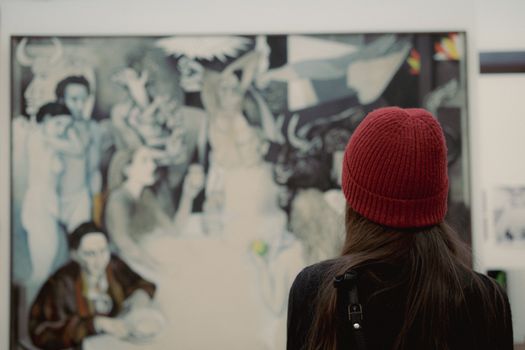 Photo: Eugene Laszczewski / Pexels
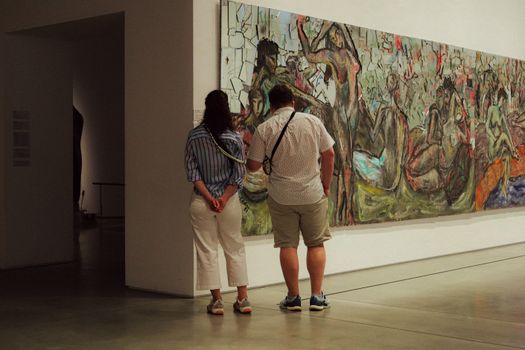 Photo: rana aldemir / Pexels
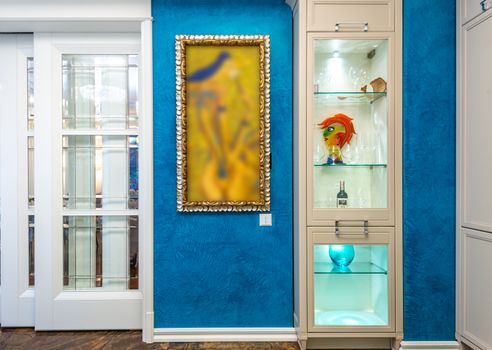 Photo: Max Vakhtbovych / Pexels
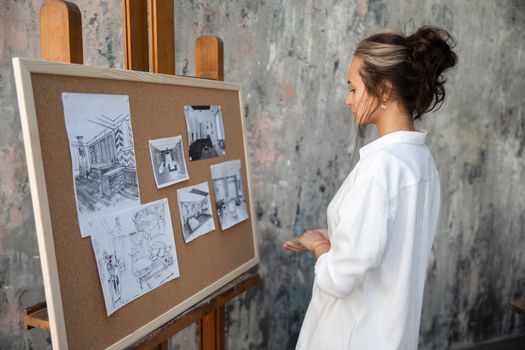 Photo: KATRIN BOLOVTSOVA / Pexels