✓ Abstract art often emphasizes color, form, texture, and line over literal representation.
✓ There's no single 'right' way to interpret abstract art; personal connection is key.
✓ Understanding the artist's intent or historical context can enrich your experience, but isn't always necessary.
✓ Engaging with abstract art is an active process that involves observation, emotion, and imagination.
How It Works
1
Approach with an Open Mind
Let go of expectations for realism or a clear narrative. Abstract art invites you to experience rather than merely recognize.
2
Engage Your Senses
Pay attention to colors, shapes, textures, and lines. How do these elements make you feel or what do they evoke?
3
Seek Emotional Resonance
Allow the artwork to stir your emotions. Does it feel chaotic, peaceful, energetic, or melancholic? Trust your gut reactions.
4
Explore Context (Optional)
Researching the artist's background or the art movement can add layers of understanding, but start with your direct experience.
Demystifying Abstract Art: Beyond the Literal
Photo: Steve A Johnson / Pexels
Abstract art, at its core, is a departure from the literal representation of objects, people, or scenes. Instead of depicting the world as we see it, artists use visual language—shapes, colors, forms, and gestural marks—to create an effect, convey an emotion, or explore a concept. For many, this can be initially perplexing. We are accustomed to art telling a story or showing us something recognizable. When confronted with a canvas of seemingly random splatters or geometric forms, the immediate reaction might be, 'What am I supposed to be looking at?' or 'My child could do that.' This initial resistance is perfectly normal and stems from a deeply ingrained habit of seeking narrative and representation. However, the beauty and power of abstract art lie precisely in its freedom from these constraints. It invites viewers to engage on a different level, one that is less about deciphering a coded message and more about experiencing a visual symphony. Think of it like music without lyrics: you don't need to understand a story to feel the emotion, rhythm, and harmony. Similarly, abstract art communicates through its pure visual elements. It challenges our perception, encourages introspection, and allows for a deeply personal interpretation. The artist isn't necessarily trying to hide a secret meaning; they are often exploring the very essence of visual expression itself. They might be interested in the dynamic tension between colors, the psychological impact of certain shapes, or the raw energy of a brushstroke. Understanding this fundamental shift in artistic intention is the first crucial step in learning how to appreciate abstract art. It’s about letting go of the need for a 'what' and embracing the 'how' and 'feel.' Many great abstract artists, such as Wassily Kandinsky, often spoke about the spiritual or emotional resonance of colors and forms, believing they could communicate directly to the soul without the need for objective imagery. His works, like 'Composition VII,' are prime examples of how color and form can create a powerful, non-representational narrative. By approaching abstract art with this mindset, you begin to unlock its potential for profound aesthetic and emotional experiences. You move from trying to 'figure it out' to simply 'feeling it out,' opening yourself to a world of visual sensations and personal discoveries. This initial shift in perspective is paramount to building a lasting connection with abstract works. Explore more art movements to see how abstraction evolved.
Developing Your Eye: Practical Steps to Engage with Abstract Works
Photo: Greta Hoffman / Pexels
Once you've embraced the open-minded approach, the next step is to actively engage your senses and intellect with the artwork. This isn't passive viewing; it's an active dialogue between you and the canvas. Start by observing the piece without any preconceived notions. What is the very first thing that catches your eye? Is it a vibrant splash of color, a bold line, or a particular texture? Let your gaze wander across the entire composition. Notice the interplay of elements. How do colors interact? Do some colors recede while others advance? What kind of mood do the colors evoke – warm, cool, energetic, serene? Consider the shapes and forms. Are they geometric and precise, or organic and flowing? Do they create a sense of balance or tension? Pay attention to lines: are they thick or thin, straight or curved, jagged or smooth? Each line contributes to the overall rhythm and movement of the piece. Texture is another crucial element. Even on a flat canvas, artists can create the illusion of texture through brushwork, impasto, or by incorporating different materials. Does the surface appear smooth and flat, or rough and tactile? How does this texture affect your perception of the work? Beyond these individual elements, consider the composition as a whole. Does the artwork feel balanced or unbalanced? Does it draw your eye to a particular focal point, or does it encourage your gaze to move freely across the surface? What is the overall scale of the piece, and how does that impact your experience? A monumental Rothko, for instance, envelops the viewer in color, while a small Klee invites intimate contemplation. Don't be afraid to move around the artwork if you're in a gallery. View it from different distances and angles. Sometimes, stepping back reveals the overall structure, while getting closer allows you to appreciate the intricate details of brushwork or texture. As you observe, pay attention to your emotional and physical reactions. Do you feel a sense of calm, excitement, confusion, or discomfort? There's no wrong answer; these reactions are part of your personal connection to the art. Abstract art often bypasses our rational mind and speaks directly to our subconscious, so trust your gut feelings. Keep a mental note of what you like or dislike, and try to articulate why. This internal monologue helps deepen your understanding and appreciation. The more you practice this active observation, the more your eye will develop, allowing you to discern nuances and find beauty in increasingly complex abstract compositions. It’s a skill that grows with exposure and conscious effort.
Connecting Emotionally and Intellectually with Abstract Meanings
Photo: Greta Hoffman / Pexels
The true magic of abstract art often lies in its ability to evoke emotions and intellectual curiosity without prescribing a specific narrative. Once you've thoroughly observed the visual elements, the next step is to allow yourself to feel and think. What emotions does the artwork stir within you? Does it make you feel joy, melancholy, agitation, peace, or wonder? Abstract art is a powerful conduit for emotion because it doesn't dictate what you should feel; instead, it provides a visual stimulus that resonates with your own inner landscape. A splash of fiery red might evoke passion or anger for one person, while for another, it might symbolize energy or warmth. There's a beautiful subjectivity in this process. Don't dismiss your feelings as irrelevant; they are central to your appreciation. Beyond pure emotion, abstract art can also stimulate intellectual engagement. What ideas or concepts does the artwork bring to mind? Does it remind you of natural phenomena, scientific principles, or philosophical concepts? For example, a swirling vortex of colors might evoke the vastness of space or the intricate patterns of a storm. Geometric abstractions might make you ponder order, chaos, or mathematical precision. Some abstract artists delve into spiritual realms, while others explore the raw physicality of paint itself. While your personal interpretation is valid and valuable, you can also deepen your understanding by exploring the artist's intent or the historical context. Researching the artist's biography, their stated motivations, or the art movement they belonged to can provide fascinating insights. For instance, understanding that Mark Rothko aimed to create immersive color fields that would induce a meditative or sublime experience can profoundly alter how you approach his large canvases. Similarly, knowing that Piet Mondrian sought universal harmony through geometric abstraction reveals the intellectual rigor behind his seemingly simple grids. This external context isn't a rulebook for interpretation, but rather a set of lenses through which you can view the work, potentially unlocking new layers of meaning. You don't need to agree with the artist's intent, but understanding it can enrich your dialogue with the piece. Consider visiting art museums or galleries with an open mind, and don't hesitate to read the wall texts. These often provide valuable clues about the artist's background, techniques, and philosophical underpinnings. Engage in conversations with others about what they see and feel. Different perspectives can broaden your own. Ultimately, connecting with abstract art is a journey of self-discovery as much as it is an artistic exploration. It’s about allowing the art to be a mirror for your own thoughts and feelings, and a window into the artist's unique vision. Discover famous abstract artists and their philosophies.
Common Pitfalls and Pro Tips for Appreciating Abstract Art
Photo: Steve A Johnson / Pexels
Navigating the world of abstract art can sometimes feel daunting, but being aware of common pitfalls and employing some pro tips can significantly enhance your experience.
**Common Pitfalls to Avoid:**
* **Expecting a Literal Narrative:** This is the most common hurdle. Abstract art doesn't tell a story in the traditional sense. Letting go of this expectation is crucial.
* **Dismissing It as 'Easy':** The simplicity of some abstract works can be deceiving. Often, years of training, experimentation, and deep thought go into creating a seemingly 'simple' piece. The apparent ease can mask profound artistic decisions.
* **Searching for the 'Right' Answer:** There's no single correct interpretation. Your personal reaction and connection are valid. Don't feel pressured to find a hidden meaning that isn't there for you.
* **Judging Based on Initial Reaction Alone:** Like fine wine or complex music, abstract art often reveals its depths upon repeated engagement. Give a piece time and multiple viewings before forming a definitive opinion.
* **Focusing Only on Technique:** While technique is important, abstract art often prioritizes concept, emotion, and visual impact over technical virtuosity in a representational sense.
**Pro Tips for Deeper Appreciation:**
* **Start with What You Like:** If a piece resonates, even if you can't articulate why, lean into that feeling. Use it as a starting point to explore similar styles or artists.
* **Visit Galleries and Museums Regularly:** Exposure is key. The more abstract art you see, the more your eye will train itself to recognize patterns, styles, and artistic intentions. Don't be afraid to spend time in front of a piece, even if it initially confuses you.
* **Read About Art History and Theory:** A basic understanding of art movements (Cubism, Surrealism, Abstract Expressionism, Minimalism, etc.) and their philosophical underpinnings can provide valuable context and unlock new avenues of appreciation.
* **Try Creating Your Own Abstract Art:** Engaging in the creative process, even just simple doodling with colors and shapes, can provide immense insight into the challenges and decisions abstract artists face.
* **Discuss with Others:** Talk about abstract art with friends, family, or fellow gallery-goers. Hearing different perspectives can illuminate aspects you hadn't considered.
* **Don't Be Afraid to Dislike Something:** It's perfectly fine not to connect with every piece of abstract art. Appreciation is personal. The goal is to find what speaks to you, not to love everything.
* **Consider the Title (but don't rely on it):** Sometimes a title offers a clue to the artist's intent or inspiration. Other times, it's deliberately abstract or poetic. Use it as a guide, not a definitive answer.
By avoiding these common pitfalls and actively employing these tips, you'll find your journey into appreciating abstract art becomes increasingly rewarding and insightful.
Comparison
Aspect
Abstract Art
Representational Art
Impressionist Art
Focus
Elements (color, form, line) & Emotion
Depicting recognizable subjects
Capturing light & fleeting moments
Interpretation
Highly subjective, personal
Generally clear, objective
Subjective within recognizable forms
Artist's Goal
Express feeling/idea, explore visual language
Render reality, tell stories
Capture sensory experience, atmosphere
Initial Reaction
Often confusion, curiosity
Recognition, narrative engagement
Visual delight, sense of scene
What Readers Say
★★★★★
"This guide completely changed how I look at abstract art. I used to feel intimidated, but now I understand it's about feeling and personal connection. I spent an hour at MoMA truly engaging with a Rothko, which I never thought I'd do!"
Sarah L. · Brooklyn, NY
★★★★★
"As someone who always preferred realism, this article was a revelation. The practical steps for engaging with the artwork really helped me move past just 'seeing shapes' to actually feeling the art. Highly recommend for any art novice."
Mark T. · Austin, TX
★★★★★
"I used to think abstract art was just random. After reading this, I visited a local gallery and applied the techniques – focusing on color, texture, and my own emotions. I actually bought a small print because I felt such a strong connection to it!"
Elena R. · Chicago, IL
★★★★★
"A very thorough guide. While I still don't 'get' every abstract piece, this article provided a solid framework for how to approach them. I particularly appreciated the advice on letting go of the need for a literal narrative."
David P. · San Francisco, CA
★★★★★
"I'm an artist myself, but sometimes even I struggle to connect with certain abstract styles. This piece offered fresh perspectives and reminded me to always approach art with an open mind and trust my intuitive responses. Excellent resource!"
Jessica M. · Miami, FL
Frequently Asked Questions
What is the main difference between abstract and representational art?
Representational art aims to depict subjects from reality in a recognizable way, even if stylized. Abstract art, conversely, departs from literal representation, using elements like color, form, and line to create an effect, express emotion, or explore concepts without direct reference to the visual world.
Is there a 'right' way to interpret abstract art?
No, there isn't a single 'right' way. Abstract art is often open to multiple interpretations, and your personal emotional and intellectual response is highly valued. While artists may have intentions, your unique connection and understanding are what truly matter.
How can I start to understand the meaning behind an abstract painting?
Begin by observing the basic elements: colors, shapes, lines, and textures. Pay attention to how they make you feel. Then, consider the overall composition and any emotions or ideas it evokes. Researching the artist or the art movement can also provide valuable context, but always start with your direct experience.
Is abstract art less valuable or easier to create than realistic art?
Neither. The value of art is subjective and depends on many factors beyond its style. Creating impactful abstract art requires deep understanding of color theory, composition, and often a profound conceptual framework. It's a different skill set, not an easier one, and can be just as complex and technically demanding as realistic art.
How does abstract art compare to modern art?
Abstract art is a broad category of art where the visual elements are emphasized over literal representation. Modern art is an umbrella term for art produced from roughly the 1860s to the 1970s. Abstract art is a significant component of modern art, but not all modern art is abstract, and not all abstract art fits neatly within the 'modern' period (e.g., some contemporary abstraction).
Who should try to appreciate abstract art?
Anyone with an open mind and a curiosity about visual expression should try to appreciate abstract art. It's particularly rewarding for those who enjoy exploring emotions, ideas, and pure aesthetics without needing a literal narrative. It's a journey of personal discovery.
Can abstract art be 'bad' or poorly executed?
Yes, just like any art form, abstract art can be poorly executed. A 'bad' abstract piece might lack compositional integrity, emotional depth, or a coherent visual language, or it might simply fail to engage the viewer in any meaningful way. It still requires skill, intention, and an understanding of artistic principles.
What are the future trends in abstract art appreciation?
Future trends suggest a continued emphasis on personal interpretation and emotional connection, possibly augmented by digital and immersive experiences. There's also a growing interest in abstract art that explores themes of technology, nature, and social commentary, often through mixed media and new artistic tools, making appreciation more interactive and multi-sensory.
Embrace the journey of discovery and transform your perspective on art. Learning how to appreciate abstract art opens up a vibrant world of emotion, intuition, and personal connection. Start exploring today and let these captivating works speak to you on a profound level.
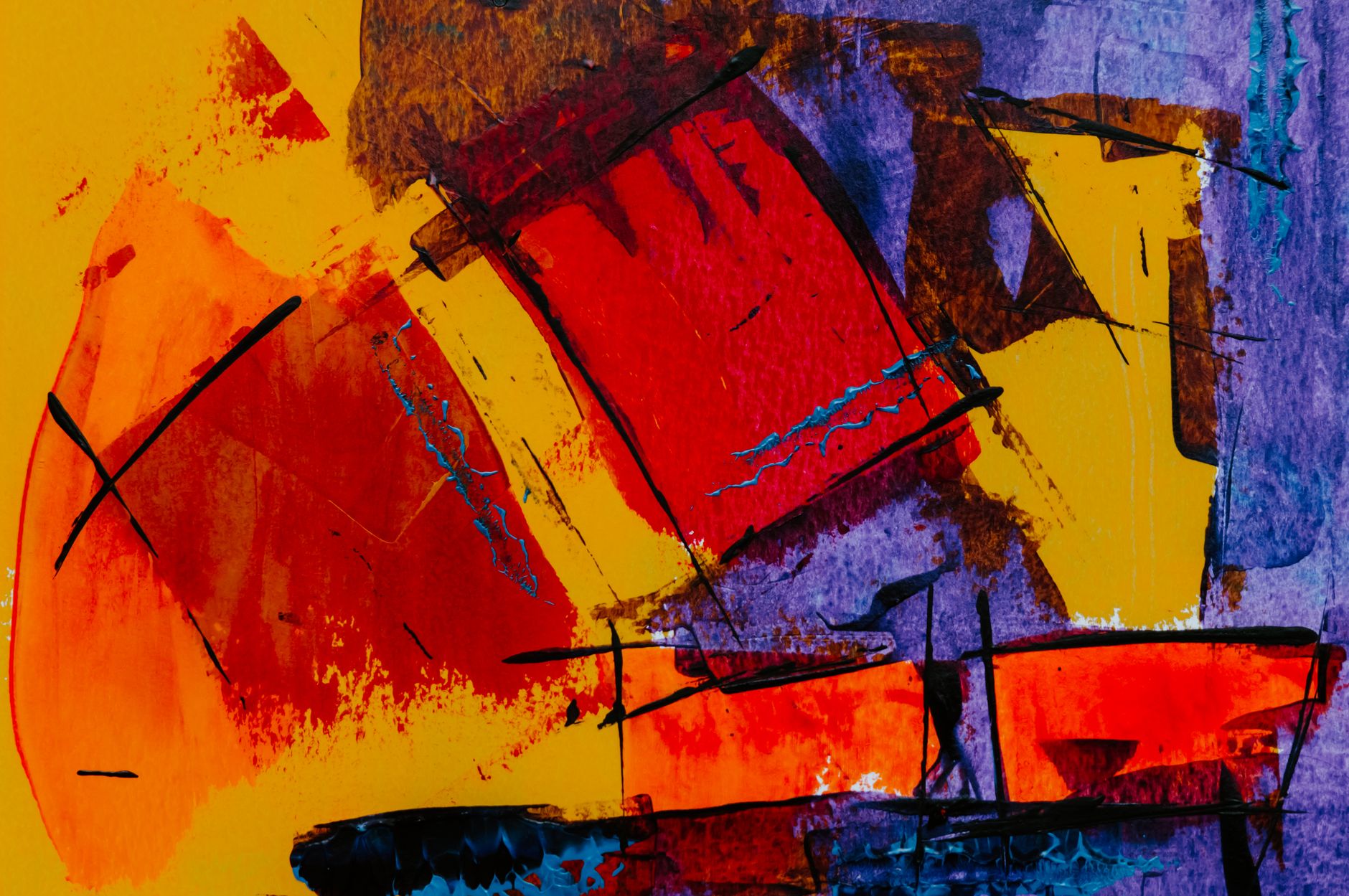
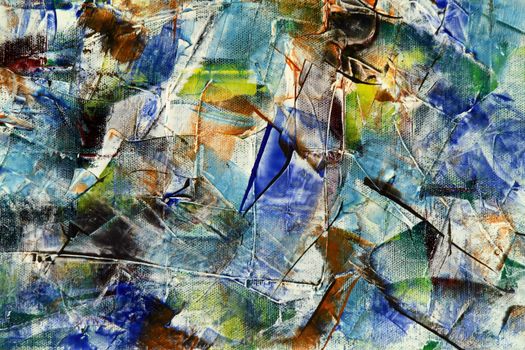 Photo: Steve A Johnson / Pexels
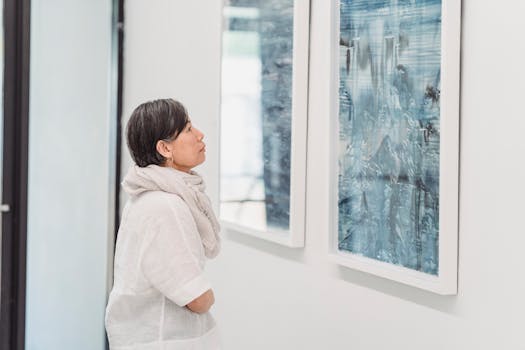 Photo: Greta Hoffman / Pexels
 Photo: Greta Hoffman / Pexels
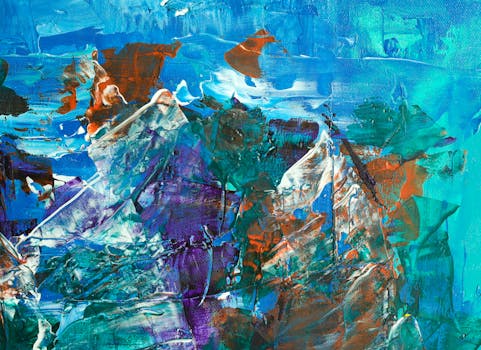 Photo: Steve A Johnson / Pexels