Iconic Famous American Artists 20th Century
famous American artists 20th century

Iconic Famous American Artists 20th Century

Dive into the lives and legacies of the groundbreaking American artists who shaped the artistic landscape of the 20th century.

Discover Their Legacies

Key Takeaways

  • ✓ The 20th century saw American art shift from European influence to global leadership.
  • ✓ Major movements included Abstract Expressionism, Pop Art, and Regionalism.
  • ✓ Artists like Pollock, O'Keeffe, and Warhol became household names.
  • ✓ Many artists used their work to comment on social and political issues.

How It Works

1
Understand the Context

Begin by grasping the historical and cultural backdrop of the 20th century. This period of immense change directly influenced artistic expression and innovation.

2
Explore Key Movements

Familiarize yourself with dominant art movements like Cubism, Surrealism, Abstract Expressionism, and Pop Art. Each movement offered a unique perspective and artistic language.

3
Meet the Artists

Delve into the biographies and works of individual artists. Understand their personal journeys, influences, and the specific contributions they made to American art.

4
Analyze Their Impact

Consider how these artists challenged conventions, sparked dialogue, and ultimately reshaped the perception of art. Their legacies continue to resonate today.

The Dawn of American Modernism: Breaking European Chains
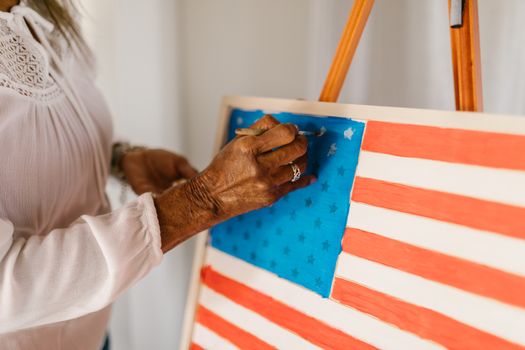
Artist painting the American flag on canvas in a bright studio. Photo: RDNE Stock project / Pexels
The early 20th century marked a pivotal moment for American art, as artists began to forge a distinct national identity, moving away from the long-standing shadow of European traditions. Prior to this era, American art was often seen as derivative, heavily influenced by the academies and movements originating in Paris, London, and Rome. However, the turn of the century brought a burgeoning sense of self-awareness and a desire for originality that would define the next hundred years. The Armory Show of 1913 in New York City was a watershed event, introducing European avant-garde art to an American public largely unfamiliar with Fauvism, Cubism, and Futurism. While initially shocking, this exhibition served as a powerful catalyst, inspiring American artists to experiment with new forms, colors, and subjects. It opened the floodgates for a generation eager to push boundaries and redefine what art could be. Artists like Georgia O'Keeffe, though not directly participating in the Armory Show's initial wave, embodied this spirit of innovation. Her intensely personal and abstract interpretations of natural forms, particularly flowers and landscapes of the American Southwest, were revolutionary. O'Keeffe's ability to imbue mundane objects with profound spiritual and sensual meaning set her apart, establishing her as one of the most significant figures in American Modernism. Her work challenged traditional perspectives on femininity and nature, offering a uniquely American vision that was both deeply rooted in its environment and universally resonant. Similarly, Edward Hopper captured the quiet solitude and sometimes melancholic beauty of American life. His iconic urban and rural scenes, often featuring solitary figures or stark architectural forms, spoke to the alienation and introspection of modern existence. Hopper's masterful use of light and shadow, combined with his narrative ambiguity, invited viewers to project their own experiences onto his canvases, making his work timeless and deeply impactful. These early pioneers, alongside others like Marsden Hartley and Stuart Davis, laid the groundwork for a truly American aesthetic, characterized by a willingness to innovate, a focus on the American experience, and a bold departure from academic conventions. Their efforts paved the way for subsequent generations to build upon, ultimately positioning American art at the forefront of the global stage. Understanding this foundational period is crucial to appreciating the full scope of American artistic development throughout the 20th century.

The Mid-Century Explosion: Abstract Expressionism and Beyond
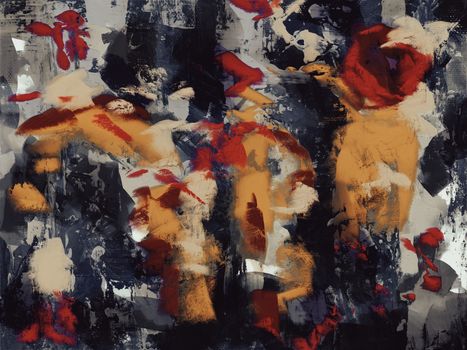
Dynamic abstract expressionist artwork with bold colors and textures. Photo: Steve A Johnson / Pexels
The mid-20th century witnessed an unparalleled explosion of creativity in American art, largely dominated by the rise of Abstract Expressionism. Emerging in post-World War II New York City, this movement marked a definitive shift of the art world's epicenter from Paris to America. Abstract Expressionism was characterized by large-scale, non-representational paintings that emphasized spontaneous, energetic brushstrokes and the emotional expression of the artist. It was a rebellion against both the narrative art of the past and the geometric abstraction that preceded it, seeking to convey universal human emotions through raw, unfiltered artistic gestures. Jackson Pollock, perhaps the most iconic figure of Abstract Expressionism, revolutionized painting with his 'drip' technique. By pouring, dripping, and flinging paint onto canvases laid on the floor, Pollock transformed the act of painting into a performance, an almost ritualistic engagement with the materials. His works, like 'Convergence' or 'Autumn Rhythm (Number 30),' are vast, intricate tapestries of color and line, embodying a sense of primal energy and chaotic beauty. Pollock's radical approach challenged traditional notions of composition and authorship, redefining the very nature of painting. Mark Rothko, another titan of the movement, pursued a different, yet equally profound, path. His large, rectangular fields of color, often softly blurred at the edges, aimed to evoke deep emotional and spiritual responses. Rothko's 'color field' paintings were not about representation but about immersion, inviting viewers into a meditative experience. He believed his art could transcend the visual and touch the sublime, creating a profound sense of awe or contemplation. While Abstract Expressionism dominated the immediate post-war period, its influence also sparked reactions and new directions. Artists like Willem de Kooning, with his aggressive, gestural 'Woman' series, blended abstraction with figuration, exploring the complexities of the human form through a distinctly expressionistic lens. Helen Frankenthaler, a second-generation Abstract Expressionist, pioneered the 'soak-stain' technique, pouring thinned paint onto unprimed canvas, allowing the pigment to soak directly into the fabric and create luminous, ethereal fields of color. This period solidified New York as the global capital of modern art, fostering an environment of daring experimentation and intellectual inquiry. The artists of this era not only created groundbreaking works but also established a new paradigm for artistic freedom and personal expression, forever altering the trajectory of art history.

Pop Art and Social Commentary: Art Reflecting a Changing America
Colorful graffiti art featuring vibrant patterns on a textured wall. Photo: Damian Apanasowicz / Pexels
As the 20th century progressed, American society underwent rapid transformations, and art continued to reflect these changes, often with a critical or celebratory eye. The rise of consumer culture, mass media, and political upheaval provided fertile ground for new artistic expressions, leading to movements like Pop Art. Pop Art emerged in the late 1950s and truly flourished in the 1960s, directly challenging the introspective and often elitist nature of Abstract Expressionism. It embraced popular culture, drawing inspiration from advertising, comic books, everyday objects, and celebrity imagery. The movement democratized art, making it accessible and engaging to a broader audience, while simultaneously critiquing and celebrating the burgeoning consumer society. Andy Warhol is undeniably the most recognizable figure of Pop Art. His iconic silkscreen prints of Campbell's Soup Cans, Coca-Cola bottles, and celebrity portraits like Marilyn Monroe and Elvis Presley blurred the lines between high art and commercial culture. Warhol's work explored themes of mass production, fame, and the commodification of art itself. He famously stated, "I want to be a machine," reflecting his detachment and repetitive artistic process that mirrored industrial manufacturing. His 'Factory' studio became a hub for artists, musicians, and socialites, further cementing his status as a cultural icon. Roy Lichtenstein, another prominent Pop artist, adapted the visual language of comic strips to create large-scale paintings. His signature use of Ben-Day dots, thick outlines, and speech bubbles transformed mundane comic panels into monumental works of art. Pieces like 'Whaam!' and 'Drowning Girl' elevated a popular, often overlooked art form to the status of fine art, questioning the hierarchy of artistic subjects and techniques. Beyond Pop Art, other artists used their platforms for powerful social commentary. Norman Rockwell, though active earlier in the century, continued to capture quintessential American life, often subtly addressing social issues in his later works. His painting 'The Problem We All Live With' (1964), depicting Ruby Bridges' walk to school during desegregation, became an iconic image of the Civil Rights Movement, demonstrating art's capacity to confront societal injustices. Artists like Faith Ringgold, though gaining wider recognition later, began their careers in the mid-century, exploring issues of race, gender, and identity through painting, sculpture, and textile art. Her narrative quilts blend personal history with collective experience, offering poignant insights into the Black American experience. This period demonstrated art's evolving role, moving from purely aesthetic pursuits to becoming a mirror, a critic, and a catalyst for social change. The works of these artists continue to resonate, reminding us of the power of art to both reflect and shape public discourse, a crucial aspect of cultural evolution.

Navigating the Legacy: Tips for Appreciating 20th Century American Art

Appreciating the vast and diverse landscape of 20th-century American art can be a rich and rewarding experience. To truly engage with these masterpieces, consider the following tips and avoid common pitfalls. **Tips for Deeper Appreciation:** 1. **Research the Historical Context:** Art doesn't exist in a vacuum. Understanding the socio-political climate, technological advancements, and cultural shifts of the time will illuminate the artist's intentions and the work's significance. For example, knowing about the Cold War enhances the understanding of Abstract Expressionism's intensity. 2. **Visit Museums and Galleries:** There's no substitute for seeing art in person. The scale, texture, and color of a painting or sculpture can only be fully appreciated when standing before it. Major institutions like MoMA, the Art Institute of Chicago, and the Whitney Museum of American Art house extensive collections. 3. **Read Artist Biographies and Manifestos:** Learn about the artists' lives, their philosophies, and the manifestos of the movements they belonged to. This provides insight into their motivations, struggles, and artistic goals. 4. **Engage with Different Mediums:** The 20th century saw incredible innovation in photography, sculpture, performance art, and mixed media. Don't limit yourself to painting; explore the full spectrum of artistic expression. 5. **Challenge Your Own Perceptions:** Modern and contemporary art often challenges traditional notions of beauty and skill. Be open to new ideas and allow yourself to be provoked or confused; sometimes, the most challenging art offers the deepest rewards. **Common Mistakes to Avoid:** * **Dismissing Abstract Art as 'My Kid Could Do That':** This common reaction overlooks the conceptual depth, historical context, and artistic skill involved in abstract works. Abstract artists often have a strong foundation in traditional techniques before choosing to break away. * **Expecting Literal Representation:** Not all art is meant to be a direct mirror of reality. Many 20th-century artists sought to express emotions, ideas, or spiritual truths rather than mere appearances. * **Focusing Only on Famous Names:** While iconic artists are essential, countless lesser-known artists made significant contributions. Explore beyond the household names to discover a richer tapestry of American art. * **Judging Art Solely by Personal Preference:** While personal taste is valid, try to understand the artist's intent and the work's historical importance, even if it doesn't immediately appeal to you aesthetically. Critical appreciation goes beyond simple like or dislike. * **Ignoring the Evolution:** American art of the 20th century is a dynamic narrative. Understanding how movements influenced and reacted to each other provides a clearer picture of its continuous development. By approaching 20th-century American art with an open mind and a willingness to learn, you can unlock a world of profound beauty, challenging ideas, and enduring cultural impact.

Comparison

FeatureAbstract ExpressionismPop ArtRegionalismPrecisionism
Key FocusEmotion, spontaneityConsumer culture, mass mediaAmerican rural lifeIndustrial landscapes, sharp forms
Dominant Period1940s-1950s1950s-1970s1930s-1940s1910s-1940s
Key ArtistsPollock, RothkoWarhol, LichtensteinWood, BentonSheeler, Demuth
Artistic StyleGestural, color fieldsBold colors, commercial imageryRealistic, illustrativeGeometric, sharp lines
InfluenceEuropean avant-gardeAdvertising, comic booksAmerican folkloreCubism, Futurism

What Readers Say

"This article beautifully captures the essence of famous American artists 20th century. I loved the breakdown of movements and the compelling stories behind each artist. It's a fantastic resource for anyone interested in modern art history."

Sarah Chen · New York, NY

"As an art enthusiast, I found this incredibly helpful. The detailed insights into Abstract Expressionism and Pop Art provided a fresh perspective on artists I thought I knew well. Highly recommend for a deep dive into America's artistic heritage."

David Miller · Los Angeles, CA

"I was looking for a comprehensive overview of famous American artists 20th century and this delivered! The section on social commentary was particularly insightful, helping me connect art to historical events in a profound way. My understanding of the era has significantly deepened."

Emily Rodriguez · Chicago, IL

"A very well-researched article. While I wish there were even more artists mentioned, the depth given to the selected figures and movements is exceptional. It's a great starting point for further exploration."

James Thompson · Boston, MA

"As a high school art teacher, I'm always searching for engaging content for my students. This piece on famous American artists 20th century is perfectly structured and informative, making complex art movements accessible and exciting. It's an excellent teaching aid."

Maria Garcia · Houston, TX

Frequently Asked Questions

Who are some of the most famous American artists of the 20th century?

Some of the most famous American artists of the 20th century include Georgia O'Keeffe, Jackson Pollock, Andy Warhol, Edward Hopper, Mark Rothko, Roy Lichtenstein, and Willem de Kooning. These artists were pivotal in shaping various art movements and establishing American art on the global stage.

What art movements defined American art in the 20th century?

The 20th century in American art was defined by several key movements, including American Modernism, Regionalism, Abstract Expressionism, Pop Art, and Minimalism. These movements often emerged in response to global events and unique American cultural developments, each contributing distinct styles and philosophies.

How did American art shift from European influence in the 20th century?

American art began to shift from European influence primarily after World War I and especially after World War II. The Armory Show of 1913 introduced avant-garde European art, inspiring American artists to innovate. Post-WWII, with New York becoming a cultural hub and European art centers suffering, movements like Abstract Expressionism cemented America's leadership in the art world, fostering a distinct national identity.

What role did New York City play in 20th-century American art?

New York City became the undisputed capital of the art world in the mid-20th century, particularly with the rise of Abstract Expressionism. It provided a vibrant environment for artists, galleries, and critics, fostering innovation and making it a central hub for artistic exchange and development, attracting talent from across the US and internationally.

How did social and political events influence 20th-century American artists?

Social and political events profoundly influenced 20th-century American artists. The Great Depression spurred Regionalism, focusing on American life. World War II and the Cold War fueled the existential angst and introspection of Abstract Expressionism. The rise of consumerism and media inspired Pop Art, while the Civil Rights Movement and women's rights informed art with powerful social commentary, showcasing art as a mirror and catalyst for change.

Who should explore famous American artists 20th century?

Anyone with an interest in art history, cultural studies, American history, or modern aesthetics should explore famous American artists of the 20th century. It's essential for students, art enthusiasts, and those seeking to understand how art reflects and shapes society.

Is it difficult to appreciate abstract art from this period?

Appreciating abstract art can be challenging if one expects literal representation. However, by understanding the historical context, the artist's intent, and the emotional or philosophical ideas conveyed, one can gain a deeper appreciation. It often requires an open mind and a willingness to engage with the work on a non-representational level.

What are the future trends influenced by 20th-century American art?

20th-century American art continues to influence contemporary art through its emphasis on conceptual art, performance, and the blurring of lines between art and everyday life. The legacy of challenging conventions and engaging with social issues remains a powerful trend, shaping new forms and mediums in the 21st century.

Embark on a captivating journey through the 20th century's most influential American artists. Discover their groundbreaking works and understand how they forever transformed the landscape of global art, inviting you to explore and appreciate their enduring legacies.

Topics: famous American artists 20th centuryAmerican modern art20th century art movementsinfluential American paintersAmerican sculptors