Unleash Your Inner Artist: Online Art Classes for Adults
August 18, 2026 15 min read 2,940 words
Transform your creative aspirations into reality with convenient, high-quality art instruction tailored for adult learners.
Start Your Artistic Journey
Why Online Art Education is Flourishing for Adults
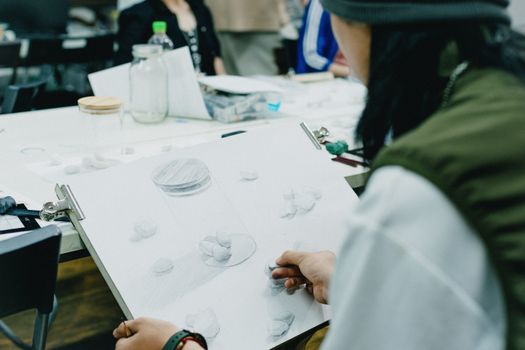 Photo: Gu Ko / Pexels
In an increasingly digital world, the landscape of education has transformed dramatically, and art instruction is no exception. Online art classes for adults have emerged as a powerful and accessible avenue for individuals to explore their creativity, develop new skills, and connect with a global community of artists. Gone are the days when learning art was confined to local studios with rigid schedules. Today, anyone with an internet connection can delve into painting, drawing, sculpture, digital art, and countless other mediums, all from the comfort of their home.
One of the primary drivers behind this flourishing trend is unparalleled flexibility. Adults often juggle demanding careers, family responsibilities, and other commitments, leaving little room for traditional, fixed-schedule classes. Online platforms remove these barriers, allowing learners to access lessons at their convenience – whether it's late at night after the kids are asleep, during a lunch break, or on a lazy weekend morning. This self-paced approach ensures that art education integrates seamlessly into a busy lifestyle, rather than being an additional stressor. Furthermore, the ability to pause, rewind, and re-watch complex demonstrations is an invaluable advantage that in-person classes simply cannot offer. This allows for deeper understanding and mastery of techniques at an individual pace, catering to diverse learning styles.
Beyond flexibility, online art classes offer an incredible diversity of instruction. From foundational drawing skills to advanced oil painting techniques, abstract expressionism, digital illustration, pottery, calligraphy, and even art history, the breadth of available courses is astounding. Aspiring artists are no longer limited by the expertise of instructors in their immediate vicinity. They can learn from world-renowned artists and specialists in niche fields, gaining perspectives and techniques that might otherwise be inaccessible. This global reach also fosters a unique sense of community. Many platforms include forums, critique groups, and live Q&A sessions, allowing students to interact with peers and instructors from different backgrounds and cultures. This exchange of ideas and constructive feedback is crucial for artistic development, providing encouragement, diverse viewpoints, and a sense of belonging within the larger art world. For more general insights into the creative world, explore our article on
the benefits of creative hobbies.
Moreover, online art classes often present a more cost-effective alternative to traditional art schools or private lessons. While some premium platforms and intensive courses can be an investment, many offer subscription models, individual course purchases, or even free introductory content, making art education more financially accessible. The elimination of commute times and associated travel costs further enhances this affordability. With high-quality video production, detailed supplementary materials, and interactive elements, online learning has evolved far beyond simple instructional videos. It provides a comprehensive, engaging, and deeply enriching experience that empowers adults to unlock their creative potential and embark on fulfilling artistic journeys. The accessibility and richness of online art education are redefining what it means to be an adult learner in the arts, making it possible for anyone to pick up a brush, pencil, or stylus and start creating.
Navigating the Landscape: Choosing the Right Online Art Class for You
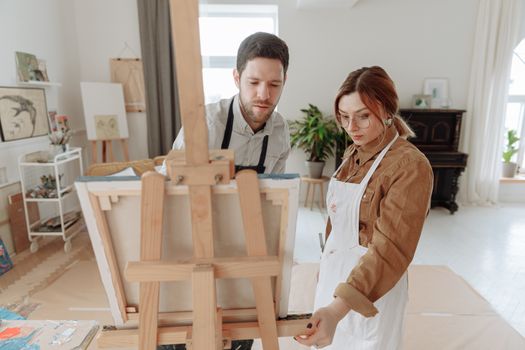 Photo: Thirdman / Pexels
With the sheer volume of online art classes available, selecting the perfect fit can seem daunting. However, by considering a few key factors, you can narrow down your options and find a course that aligns perfectly with your artistic aspirations and learning style. The first step is to clearly define your goals. Are you a complete beginner looking to understand the fundamentals of drawing or painting? Do you want to master a specific medium like watercolors or acrylics? Are you an experienced artist seeking to refine advanced techniques or explore a new style? Your objectives will significantly influence the type of platform and course content you should prioritize.
Next, consider the medium and style that interests you most. Some platforms specialize in digital art, offering courses in software like Procreate, Photoshop, or Clip Studio Paint, while others focus on traditional mediums such as oil painting, pastels, or pottery. Explore different artistic styles – from realistic portraiture to abstract landscapes, comic art, illustration, or sculpture. Many platforms offer introductory courses that allow you to sample various mediums before committing to a specific path. Don't be afraid to experiment; sometimes the most rewarding discoveries come from trying something unexpected.
Another crucial aspect is the instructor's teaching style and credentials. Look for instructors whose work you admire and whose explanations are clear and easy to follow. Many platforms provide instructor bios, portfolios, and even introductory videos that give you a sense of their teaching approach. Reading reviews from previous students can also offer valuable insights into an instructor's effectiveness and the overall quality of their courses. Some artists prefer a highly structured, step-by-step approach, while others thrive with more open-ended, conceptual guidance. Find a match that resonates with how you learn best.
Consider the course format and support system. Are the lessons pre-recorded videos that you can watch at your leisure, or are there live, interactive sessions? Does the course include downloadable resources like reference images, printable guides, or exercises? Is there a community forum, a dedicated critique section, or opportunities for direct feedback from the instructor? The level of interaction and support can significantly impact your learning experience and motivation. For those who thrive on community and personalized guidance, platforms offering robust feedback mechanisms will be more beneficial. Finally, evaluate the cost structure. Some platforms operate on a subscription model, granting access to a library of courses for a monthly or annual fee. Others offer individual courses for purchase. Weigh the value against your budget and the amount of content you anticipate consuming. Many platforms also offer free trials or introductory lessons, which are an excellent way to test the waters before making a financial commitment. By systematically evaluating these factors, you can confidently choose an online art class that will ignite your creativity and foster genuine artistic growth.
Top Platforms for Online Art Classes for Adults
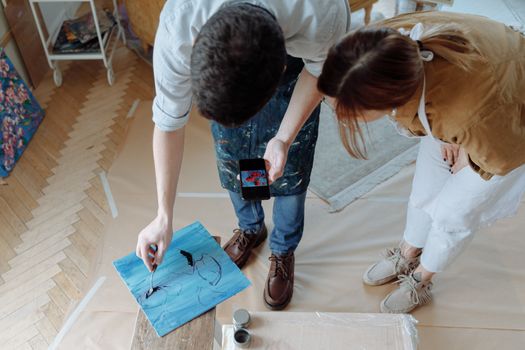 Photo: Thirdman / Pexels
The digital landscape is rich with platforms offering high-quality online art instruction, each with its unique strengths and specialties. Understanding these differences can help you pinpoint the best fit for your artistic journey. Here, we highlight some of the leading contenders that cater specifically to adult learners.
**Skillshare** is a highly popular platform known for its vast library of creative classes, including thousands of art courses. It operates on a subscription model, giving members unlimited access to all content. You'll find everything from foundational drawing and painting to digital illustration, calligraphy, and even creative entrepreneurship. Skillshare classes are typically project-based, encouraging hands-on learning, and often feature well-known artists and illustrators as instructors. The community aspect is strong, with students often sharing their projects and giving feedback. It's an excellent choice for those who want to explore a wide range of subjects without committing to a single, long-term course.
**Domestika** offers professionally produced, high-quality courses taught by industry experts in various creative fields, including illustration, photography, craft, and design. Unlike Skillshare's subscription model, Domestika courses are purchased individually, granting lifetime access. This makes it ideal for learners who prefer to deep-dive into specific subjects and revisit content as often as needed. Their production quality is outstanding, and the courses often cover niche topics and advanced techniques, making them suitable for both beginners and intermediate artists looking to expand their skill set. The platform supports multiple languages, further broadening its appeal.
**Proko** is an exceptional resource for those serious about mastering figure drawing, anatomy, and portraiture. Taught by Stan Prokopenko, an acclaimed artist and instructor, Proko's courses are meticulously structured, comprehensive, and incredibly detailed. While many foundational lessons are available for free on YouTube, the full premium courses offer extensive content, assignments, and critique opportunities. Proko is less about casual exploration and more about rigorous, academic training, making it perfect for aspiring artists aiming for a strong technical foundation in realistic art. It’s a significant investment but widely regarded as one of the best for its specialized focus. For more on developing your artistic eye, consider our guide on
improving your visual perception.
**The Art Students League of New York** has a rich history in traditional art education, and they've successfully transitioned many of their renowned courses online. While more akin to a traditional school experience, their online offerings bring the rigor and expertise of their in-person classes to a global audience. These are often structured as multi-week courses with live sessions, critiques, and direct interaction with instructors. It's a fantastic option for those seeking a more structured, intensive, and institutionally recognized art education without the need to relocate. This platform caters to a more serious student looking for a deep dive into classical techniques and practices.
**Creativebug** stands out for its focus on crafts and DIY art projects, offering a vast library of video tutorials with a strong emphasis on hands-on creation. While it includes drawing and painting, it truly shines in areas like knitting, sewing, jewelry making, paper crafts, and more. It’s subscription-based and ideal for adults who enjoy a broader range of creative pursuits and appreciate a more relaxed, project-oriented learning environment. The instructors are often warm and encouraging, making it a great place for beginners to find their creative footing. Each of these platforms offers a distinct approach to online art education, ensuring there's a perfect fit for every adult artist, regardless of their experience level or creative ambitions.
Maximizing Your Online Art Class Experience: Tips for Success
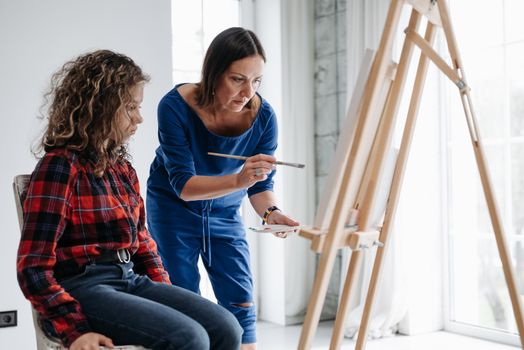 Photo: Pavel Danilyuk / Pexels
Embarking on an online art journey is an exciting endeavor, but like any educational pursuit, it requires dedication and strategic engagement to yield the best results. To truly maximize your experience with online art classes for adults, consider these actionable tips.
First and foremost, **create a dedicated art space**. Even if it's just a corner of a room, having a designated area free from distractions signals to your brain that it's time to focus on art. Organize your materials, ensure good lighting, and make it a place you look forward to spending time in. This physical separation helps mentally prepare you for learning and creation, making it easier to slip into a creative flow state.
Next, **set realistic goals and a consistent schedule**. Avoid the temptation to binge-watch an entire course in one sitting. Instead, break down lessons into manageable chunks and commit to regular practice sessions. Whether it's 30 minutes every day or two hours twice a week, consistency is far more impactful than sporadic, intense bursts. Celebrate small victories, like mastering a new brushstroke or completing a sketch, to maintain motivation.
**Actively engage with the material and community**. Don't just passively watch videos. Pause frequently to practice techniques, take notes, and apply what you've learned. If the platform offers forums, critique groups, or live Q&A sessions, participate! Sharing your work, asking questions, and offering constructive feedback to peers not only deepens your understanding but also builds valuable connections and a support system. Remember, art is often a social activity, and online communities can bridge the geographical gap.
**Embrace mistakes as learning opportunities**. Art is a journey of continuous improvement, and errors are an inevitable part of the process. Don't be discouraged if your first attempts don't match the instructor's demonstration. Analyze what went wrong, re-watch the relevant sections, and try again. The process of problem-solving is crucial for growth. Focus on learning and experimentation rather than perfection.
**Invest in quality materials (within your budget)**. While you don't need the most expensive supplies as a beginner, using decent quality paints, paper, or brushes can significantly enhance your experience and the quality of your output. Poor materials can sometimes hinder progress and lead to frustration. Do some research, read reviews, and choose materials that are appropriate for your chosen medium and skill level. Many online courses will provide recommendations.
**Seek feedback and be open to critique**. Constructive criticism is a powerful tool for artistic development. If your course offers it, submit your work for instructor feedback. If not, consider sharing your pieces in online art communities or with trusted artist friends. Be open-minded and analytical about the feedback you receive, understanding that it's meant to help you grow, not to diminish your efforts. This iterative process of creation, feedback, and refinement is fundamental to becoming a better artist.
