Your Essential Art Supplies for Beginners Kit
art supplies for beginners kit

Your Essential Art Supplies for Beginners Kit

Unlock your artistic potential with our curated guide to the perfect art supplies for beginners kit, designed for effortless creation.

Start Creating Now

Key Takeaways

  • ✓ Starting with the right tools significantly boosts confidence and learning.
  • ✓ Quality over quantity is crucial for beginner art supplies.
  • ✓ Versatile mediums like acrylics and watercolors are excellent starting points.
  • ✓ Investing in good paper is as important as the paints or pencils.

How It Works

1
Assess Your Interests

Consider what types of art you're drawn to – drawing, painting, or mixed media. This helps narrow down the vast array of available supplies.

2
Prioritize Essential Tools

Focus on foundational items like drawing pencils, a basic paint set, and suitable paper. Resist the urge to buy everything at once.

3
Invest in Quality Basics

Opt for artist-grade student quality supplies rather than cheap, toy-grade sets. Better quality tools offer a more enjoyable and successful experience.

4
Expand Gradually

As you gain experience and discover your preferred mediums, you can gradually add more specialized items to your art supplies for beginners kit.

Choosing Your First Beginner Art Materials: Where to Start?
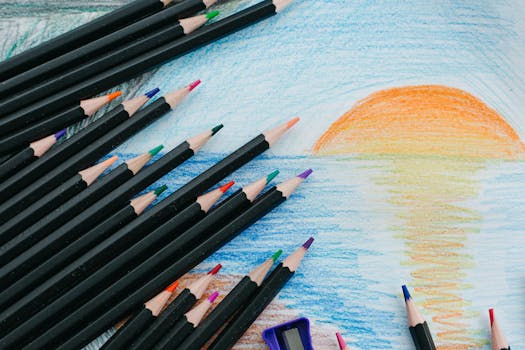
Close-up of colored pencils on paper depicting a sunset over water. Photo: Anastasia Shuraeva / Pexels
Embarking on an artistic journey is an exciting prospect, but the sheer volume of art supplies available can feel overwhelming for a beginner. The key to building a successful art supplies for beginners kit lies in thoughtful selection, prioritizing versatility, quality, and your personal interests. Don't fall into the trap of buying every shiny new gadget; instead, focus on foundational items that will allow you to explore various techniques without breaking the bank or feeling intimidated. Think of your initial kit as a launchpad, not a complete arsenal. First, consider the primary art form that sparks your curiosity. Are you captivated by the precise lines of a graphite drawing, the vibrant hues of a watercolor landscape, or the bold textures of an acrylic portrait? While a comprehensive kit might eventually include a diverse range of mediums, starting with one or two allows you to deeply engage with them and build fundamental skills. For instance, if drawing is your passion, a set of graphite pencils, a good eraser, and a sketchbook will be far more valuable than a full set of oil paints you might not touch for months. Similarly, if painting calls to you, a basic set of watercolors or acrylics along with appropriate brushes and paper will be your best friend. The goal here is to minimize decision fatigue and maximize actual creation time. Quality is another critical factor often overlooked by beginners. While it might seem counterintuitive to spend more on supplies when you're just starting, cheap, poor-quality materials can be incredibly frustrating and even hinder your progress. For example, scratchy paper that tears easily, paints with weak pigment, or brushes that shed bristles can make the creative process feel like a chore. Look for 'student-grade' or 'artist-grade student quality' products. These offer a good balance between affordability and performance, providing a much more satisfying experience than their 'craft-grade' counterparts. You don't need professional-grade materials from the outset, but a step up from the absolute cheapest options will pay dividends in enjoyment and learning. Remember, the right tools can inspire confidence and make the learning curve feel less steep. This initial investment in quality ensures that your early artistic endeavors are met with encouragement, not exasperation. Understanding different art mediums can help you make informed choices.

Essential Drawing and Sketching Tools for Your Starter Art Set
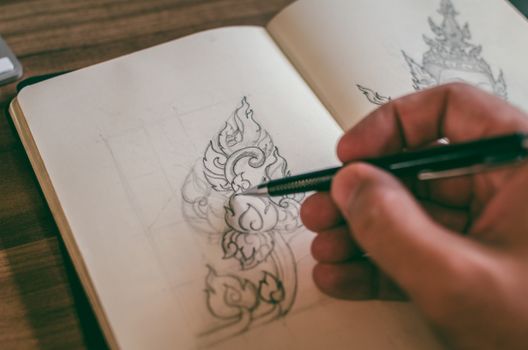
Close-up of a hand sketching detailed design in a sketchbook with mechanical pencil. Photo: MESSALA CIULLA / Pexels
No art supplies for beginners kit is complete without a solid foundation in drawing and sketching. These are the bedrock skills upon which many other art forms are built. Even if your ultimate goal is painting, understanding line, form, and perspective through drawing will dramatically enhance your abilities. **Pencils:** Start with a basic set of graphite pencils. A good range would include pencils from 2H (harder, lighter lines) to 6B (softer, darker lines). A common starter set often includes HB, 2B, 4B, and 6B, which provides enough variety for shading and detailing. Mechanical pencils can also be useful for consistent line thickness, especially for fine details or technical drawing, but traditional graphite pencils offer a more tactile and versatile experience for expressive sketching. **Erasers:** Don't underestimate the power of a good eraser! You'll want at least two types: a kneaded eraser and a plastic (vinyl) eraser. A kneaded eraser is fantastic for lifting graphite without damaging the paper's surface and can be molded into various shapes for precise erasing or highlighting. A plastic eraser is excellent for more robust, clean erasing of larger areas. Avoid the pink rubber erasers often found on the ends of pencils, as they can smudge and damage paper. **Sketchbook/Paper:** Your choice of paper is paramount. For general sketching, a medium-weight, acid-free drawing paper (around 60-80lb or 90-120 gsm) is ideal. Look for sketchbooks with a decent tooth (texture) that can hold graphite well. Having a dedicated sketchbook encourages regular practice and provides a tangible record of your progress. Don't be afraid to fill its pages – it's a place for experimentation, mistakes, and learning. For more serious drawings, consider individual sheets of bristol board or heavier drawing paper, especially if you plan to use inks or markers. **Sharpeners:** A reliable pencil sharpener is a must. A simple metal hand-held sharpener with a good blade is often sufficient. Consider one with two different-sized holes for various pencil diameters. Alternatively, a craft knife (like an X-Acto knife) can be used to sharpen pencils to a very fine point, offering more control over the lead exposure, but this requires more practice and care. These core drawing tools form the backbone of any art supplies for beginners kit, allowing you to practice fundamental skills like observation, proportion, and value. Regular practice with these simple items will unlock a world of artistic possibilities, providing a strong foundation for venturing into more complex mediums. Remember, drawing is seeing, and these tools are your extended eyes and hands.

Unleashing Color: Beginner Paint Sets and Mediums
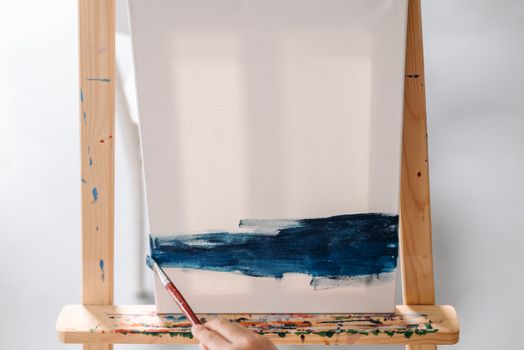
Close-up of an artist painting a blue stroke on canvas using a paintbrush on an easel. Photo: Pavel Danilyuk / Pexels
Once you've established your drawing foundation, the next exciting step in building your art supplies for beginners kit is to explore color. There are several popular painting mediums perfect for novices, each offering unique characteristics and learning opportunities. The best choice depends on your preference for drying time, texture, and vibrancy. **Watercolor:** Watercolors are often recommended for beginners due to their accessibility and relatively low cost. They are transparent, allowing light to reflect off the paper, creating luminous effects. A basic pan set (small, dry cakes of paint) with 12-24 colors is a great starting point. You'll need watercolor paper (at least 140lb or 300gsm) to prevent buckling, a few synthetic round and flat brushes, and two water containers (one for rinsing, one for clean water). Learning to control water and pigment is key with watercolors, and it teaches patience and layering. Many find the fluid, unpredictable nature of watercolor to be both challenging and immensely rewarding. Exploring watercolor techniques can further enhance your learning. **Acrylics:** Acrylic paints are incredibly versatile and forgiving, making them another excellent choice for beginners. They are water-soluble when wet but dry quickly to a permanent, waterproof finish. This fast drying time allows for quick layering and corrections. A starter set of acrylics typically includes primary colors (red, blue, yellow), black, white, and perhaps a few secondary colors. You'll need a palette (a simple plastic plate works), a few synthetic brushes (flats and rounds), and a canvas or acrylic paper. Acrylics can be used thinly like watercolors or thickly like oils, offering a wide range of expressive possibilities. Their ease of cleanup with just water is a significant advantage for new artists. **Oil Pastels/Soft Pastels:** While not strictly paints, pastels offer a vibrant and direct way to apply color. Oil pastels are creamy and blendable, allowing for rich, painterly effects. Soft pastels are chalkier and can be blended with fingers or blending stumps for a softer, more ethereal look. Both require a textured paper (like pastel paper or sanded paper) to grip the pigment. A small set of 12-24 colors is sufficient to start. Pastels are a fantastic option for those who enjoy a hands-on, tactile approach to color application. They are less messy than traditional paints in some ways, but can transfer pigment easily, so keep a damp cloth handy. Regardless of the medium you choose, remember that experimentation is key. Don't be afraid to mix colors, try different brushstrokes, and embrace imperfections. The journey of learning color is about discovery and finding your unique artistic voice. Start with a modest selection, practice regularly, and gradually expand your palette as your skills and confidence grow. This methodical approach ensures your art supplies for beginners kit remains manageable and inspiring.

Essential Accessories and Common Beginner Mistakes to Avoid
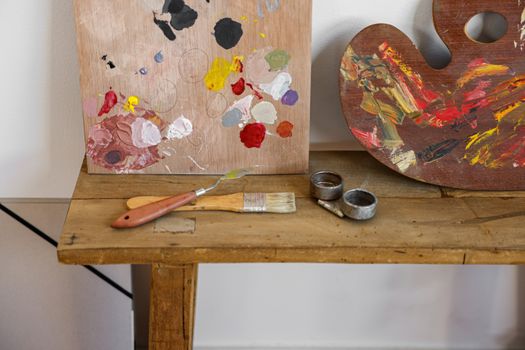
An artist's palette and brushes on a rustic wooden table, showcasing vibrant paint colors. Photo: Cup of Couple / Pexels
Beyond the core drawing and painting supplies, a few essential accessories will significantly enhance your creative process and protect your investment in your art supplies for beginners kit. Understanding common pitfalls can also save you frustration and money. **Essential Accessories:** * **Cutting Mat and Craft Knife:** For cleanly cutting paper, masking tape, or opening packages. A self-healing cutting mat protects your work surface. * **Ruler:** A metal ruler is durable and provides a straight edge for precise lines or measuring. * **Masking Tape/Artist's Tape:** Useful for securing paper to a surface, creating clean edges, or masking off areas you don't want painted. * **Water Containers:** For painting, always have at least two – one for dirty brush rinsing and one for clean water to dilute paints. * **Paper Towels/Rags:** Indispensable for cleaning brushes, wiping excess paint, or blotting. * **Easels (Optional):** While not strictly necessary for beginners, a simple tabletop easel can improve posture and perspective for painting. * **Fixative Spray:** For charcoal, pastel, or graphite drawings, a workable fixative spray prevents smudging. **Common Beginner Mistakes to Avoid:** 1. **Buying the Cheapest Supplies:** As mentioned, very cheap supplies often lead to frustration and a poor experience. Invest in 'student grade' quality. 2. **Over-buying:** Resist the urge to purchase every color or tool. Start with basics and expand as you discover your preferences. 3. **Neglecting Practice:** The best supplies in the world won't make you an artist without consistent practice. Dedicate regular time to creating. 4. **Comparing Yourself to Others:** Everyone's artistic journey is unique. Focus on your own progress and enjoyment, not on comparing your work to seasoned artists. 5. **Not Using Reference Materials:** Don't be afraid to use photos, real-life objects, or other artworks as references. It's a crucial part of learning. 6. **Giving Up After Initial Frustration:** Art takes time and patience. Mistakes are part of the learning process; embrace them as opportunities to grow. 7. **Ignoring Proper Cleanup:** Cleaning brushes properly after each use extends their lifespan and keeps your workspace tidy. By equipping yourself with these practical accessories and being mindful of these common beginner pitfalls, you'll set yourself up for a much smoother and more enjoyable artistic journey. Your art supplies for beginners kit is just the beginning – your creativity is the true masterpiece.

Comparison

FeatureAcrylics (Best for Beginners)Watercolors (Alternative 1)Oil Paints (Alternative 2)
Drying TimeFast (minutes)Medium (hours, dependent on water)Slow (days to weeks)
CleanupWater & SoapWaterMineral Spirits/Turpentine
OpacityOpaque to TransparentTransparentOpaque
Versatility
Cost (Starter Set)ModerateLow to ModerateModerate to High
Primary ApplicationLayering, impasto, glazesWashes, glazes, delicate detailBlending, impasto, rich color
Required VentilationNoNoYes (for solvents)

What Readers Say

"This guide for an art supplies for beginners kit was exactly what I needed! It helped me pick out quality acrylics and the right paper without feeling overwhelmed. I've already completed two paintings!"

Sarah J. · Austin, TX

"As someone who's always wanted to try art, this article broke down the art supplies for beginners kit perfectly. The advice on erasers alone was a game-changer for my drawing practice."

Mark D. · Seattle, WA

"I followed the recommendations for a watercolor art supplies for beginners kit and couldn't be happier. My first landscape actually looks like a landscape! It's so much more enjoyable with good tools."

Emily R. · Denver, CO

"Great advice, though I wish there was a bit more on specific brands for the art supplies for beginners kit. Still, it pointed me in the right direction and helped me avoid cheap impulse buys."

David L. · Miami, FL

"I used this guide to set up an art supplies for beginners kit for my teenage daughter. She loves it! The focus on quality over quantity really made a difference in her enthusiasm."

Jessica P. · Chicago, IL

Frequently Asked Questions

What is the absolute minimum I need for an art supplies for beginners kit?

For drawing, you'd need a few graphite pencils (HB, 2B, 4B), a kneaded eraser, and a basic sketchbook. For painting, a small set of primary color acrylics or watercolors, a couple of brushes, and appropriate paper are sufficient to start. The key is to get a few good quality basics rather than many cheap items.

Is it worth buying an all-in-one art kit for beginners?

While convenient, many all-in-one art kits often contain low-quality materials that can lead to frustration. It's generally better to curate your own art supplies for beginners kit by purchasing individual, student-grade items. This ensures you get better performance and a more enjoyable experience for your money.

How do I choose the right paper for my art supplies for beginners kit?

The right paper depends on your medium. For drawing, look for acid-free drawing paper (60-80lb). For watercolors, you need heavy, cold-press watercolor paper (at least 140lb/300gsm) to prevent buckling. For acrylics, canvas or heavy acrylic paper (90lb/180gsm+) works well. Always match the paper to the medium for best results.

How much should I expect to spend on an art supplies for beginners kit?

You can assemble a very respectable art supplies for beginners kit for $50-$100, focusing on student-grade materials. This would cover essential drawing tools, a basic paint set, brushes, and paper. Professional-grade supplies can be significantly more expensive, but are not necessary for starting out.

Should I start with digital art instead of traditional art supplies for beginners kit?

Both digital and traditional art have their merits for beginners. Digital art offers undo functions and a wide range of tools without physical mess, but can have a steeper initial learning curve for software and hardware. Traditional art provides a tactile experience and teaches fundamental skills that translate well to digital. It often comes down to personal preference and budget.

Who benefits most from a well-chosen art supplies for beginners kit?

Anyone looking to explore their creativity, de-stress, or develop a new hobby will benefit. A well-chosen kit ensures that the initial experience is positive and encouraging, rather than frustrating, making it ideal for absolute novices, those returning to art, or anyone seeking a mindful creative outlet.

Are art supplies toxic or dangerous for beginners?

Most student-grade art supplies available today are non-toxic and safe for general use, especially for beginners. Always check product labels for safety certifications (like ACMI AP seal). Certain mediums like oil paints with solvents or some pigments can require more ventilation and care, but are typically not included in basic beginner kits.

What are the future trends in art supplies for beginners kit?

Future trends may lean towards more eco-friendly and sustainable art materials, as well as hybrid kits that combine traditional mediums with digital integration for learning and sharing. Expect continued innovation in non-toxic formulations and user-friendly tools designed to lower the barrier to entry for aspiring artists.

Ready to unleash your inner artist? With the right art supplies for beginners kit, your creative journey is just a brushstroke away. Dive into the world of color and form, and discover the joy of making something truly your own.

Topics: art supplies for beginners kitbeginner art materialsstarter art seteasy art suppliesfirst art kit
Leo List

DK Escorts LU Escorts AT Escorts SE Escorts FI Escorts CH Escorts DE Escorts HR Escorts IE Escorts GR Escorts CZ Escorts NO Escorts BE Escorts FR Escorts SI Escorts IL Escorts NL Escorts PL Escorts HU Escorts ES Escorts IT Escorts PT Escorts SK Escorts RO Escorts ZA Escorts UY Escorts US Escorts UK Escorts NZ Escorts AU Escorts
Brampton weed
Adultwork EstrelaBet Vai de Bet R7 Bet Betão Galera Bet Rainbet Bet9ja Shop SportyBet BetKing Sisal Loto Foot Hollywoodbets YesPlay Odibets RushBet Jugabet BetWarrior BetCity MSport betPawa Fortebet