Unveiling NYC's Masterpieces: Art Museums in New York City
art museums in new york city

Unveiling NYC's Masterpieces: Art Museums in New York City

Dive into New York City's unparalleled art scene, from ancient wonders to contemporary marvels, with our ultimate guide.

Explore NYC Art Now

Key Takeaways

  • ✓ New York City boasts over 100 art museums and galleries.
  • ✓ Many major museums offer free or 'pay-what-you-wish' admission on specific days/times.
  • ✓ The Metropolitan Museum of Art is the largest art museum in the United States.
  • ✓ NYC's art scene encompasses diverse styles, from classical to avant-garde.

How It Works

1
Define Your Artistic Interest

Consider what art periods or styles intrigue you most. NYC has specialized museums for everything from modern art to ancient artifacts.

2
Research Museum Offerings

Visit museum websites to check current exhibitions, admission fees, and opening hours. Look for special events or guided tours that align with your interests.

3
Plan Your Route & Time

Group museums by geographical location to minimize travel time. Allocate sufficient time for each visit, as large institutions can take several hours to explore fully.

4
Book Tickets in Advance

For popular museums, booking tickets online ahead of time can save you considerable waiting time, especially during peak seasons. This ensures a smoother, more enjoyable experience.

The Iconic Pillars: Metropolitan Museum of Art and MoMA
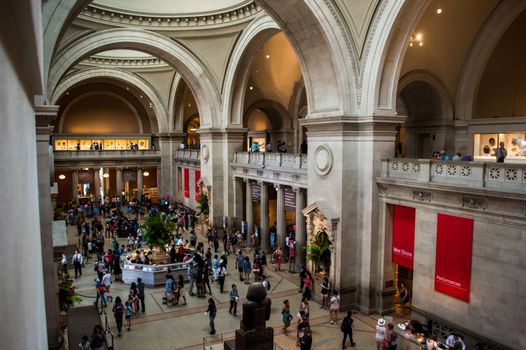
Visitors explore a historic museum with stunning vaulted ceilings and archways. Photo: Diego Mqz / Pexels
When one thinks of art museums in New York City, two names immediately spring to mind: The Metropolitan Museum of Art (The Met) and the Museum of Modern Art (MoMA). These institutions are not merely buildings filled with art; they are cultural behemoths, drawing millions of visitors annually and housing collections that are unparalleled in their breadth and depth. The Met, often simply referred to as 'The Met,' is a treasure trove spanning over 5,000 years of human creativity. Its vast collection includes everything from ancient Egyptian temples and classical Greek and Roman sculptures to European paintings, American decorative arts, and extensive holdings of Asian, African, and Oceanic art. Walking through its hallowed halls is an experience akin to a journey around the world and through time. You can marvel at the Temple of Dendur, transport yourself to a medieval courtyard, or stand before masterpieces by Rembrandt, Vermeer, and Van Gogh, all within the same day. Its sheer size means that a single visit can only scratch the surface, making it a place many return to again and again. The Met also encompasses The Met Cloisters, a branch museum focusing on medieval European art and architecture, located in Fort Tryon Park, offering a serene escape and a distinct artistic experience. MoMA, on the other hand, is the quintessential destination for modern and contemporary art. Its collection includes some of the most recognizable works of the 20th and 21st centuries, from Van Gogh's 'The Starry Night' and Picasso's 'Les Demoiselles d'Avignon' to Warhol's 'Campbell's Soup Cans.' MoMA's commitment to showcasing groundbreaking art across various mediums – painting, sculpture, photography, film, architecture, and design – makes it a dynamic and ever-evolving institution. It's a place where you can witness the evolution of artistic thought and expression, challenging perceptions and inspiring new ideas. Both The Met and MoMA offer extensive educational programs, guided tours, and special exhibitions that complement their permanent collections, ensuring there's always something new to discover. Navigating these vast spaces can be daunting, but with a little planning, focusing on specific wings or exhibitions can enhance your visit. These two institutions alone could fill several days of exploration for any art enthusiast, solidifying their status as essential stops for anyone exploring the vibrant arts scene of New York City. Their impact on the global art landscape is undeniable, serving as benchmarks for quality, innovation, and preservation.

Diverse Artistic Landscapes: Guggenheim, Whitney, and Frick
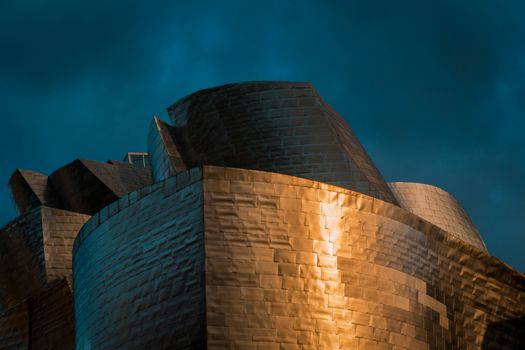
Close-up of the iconic Guggenheim Museum in Bilbao showing striking architecture against a moody sky. Photo: Willian Justen de Vasconcellos / Pexels
Beyond the monumental presence of The Met and MoMA, New York City offers a rich tapestry of art museums that cater to more specific tastes and artistic periods, each with its unique character and architectural marvels. The Solomon R. Guggenheim Museum, a masterpiece of modern architecture designed by Frank Lloyd Wright, is an experience in itself. Its iconic spiraling ramp allows visitors to view art as they ascend, creating a fluid and immersive journey through its collection of Impressionist, Post-Impressionist, early Modern, and contemporary art. The Guggenheim's focus on groundbreaking artists and thematic exhibitions makes it a powerful counterpoint to MoMA's broader modern art survey. The building's interior, with its central skylight, provides a dramatic setting for the art it houses, making the visit as much about the architecture as the artworks. Its collection includes significant works by Kandinsky, Picasso, and Miró, among others, and its special exhibitions are consistently among the most talked-about in the city. The Whitney Museum of American Art, nestled in the Meatpacking District, offers a compelling narrative of 20th and 21st-century American art. With a strong emphasis on living artists and a commitment to showcasing diverse voices and experimental works, the Whitney provides a vital platform for understanding the evolution of American artistic identity. Its collection features prominent artists like Edward Hopper, Georgia O'Keeffe, Jackson Pollock, and Jasper Johns. The museum's stunning architecture, designed by Renzo Piano, includes expansive outdoor terraces that offer breathtaking views of the Hudson River and the city skyline, integrating the urban environment into the art experience. The Whitney Biennial, its signature exhibition, is a highly anticipated event that highlights emerging and established artists, often sparking critical dialogue about the state of contemporary American art. In stark contrast to the modern and contemporary focus of the Guggenheim and Whitney is The Frick Collection. Housed in the magnificent former residence of industrialist Henry Clay Frick, this museum offers an intimate and luxurious experience of Old Master paintings, European sculpture, and decorative arts. The Frick's curated collection includes masterpieces by Bellini, Rembrandt, Vermeer, Goya, and El Greco, displayed in beautifully preserved rooms that evoke the grandeur of a bygone era. It's a place where art and life intertwine, allowing visitors to imagine the domestic setting in which these extraordinary works were once enjoyed. The serene Garden Court provides a peaceful respite, enhancing the overall contemplative atmosphere. While temporarily relocated to Frick Madison during renovations, its essence of refined elegance and unparalleled quality remains. These diverse institutions underscore why art museums in New York City offer such a rich and varied cultural experience, catering to every artistic preference.

Hidden Gems and Specialized Collections for the Discerning Visitor
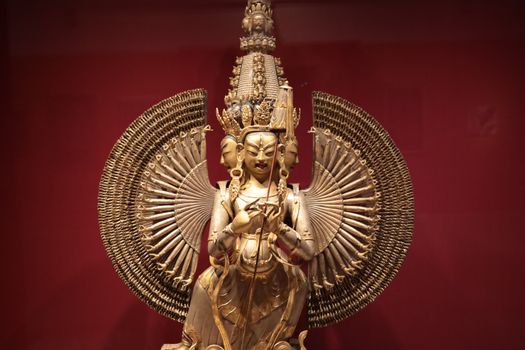
Detailed golden Buddhist statue with intricate design displayed in a museum. Photo: Plato Terentev / Pexels
While the marquee museums draw the largest crowds, New York City is also home to a wealth of smaller, specialized art museums and galleries that offer unique perspectives and often more intimate viewing experiences. These hidden gems are perfect for the discerning visitor looking to delve deeper into specific art forms, cultural traditions, or historical periods. For those interested in Asian art, the Asia Society Museum on the Upper East Side presents traditional and contemporary Asian and Asian American art, along with cultural programming that explores the diverse cultures of Asia. Its exhibitions are often thought-provoking and beautifully curated, providing a tranquil counterpoint to the city's hustle and bustle. Similarly, the Rubin Museum of Art in Chelsea is dedicated to the art and cultures of the Himalayas, India, and neighboring regions. Its collection of Himalayan art, particularly its thangka paintings and intricate sculptures, is mesmerizing, offering a spiritual and aesthetic journey into these rich traditions. The Rubin also hosts fascinating talks, workshops, and performances, making it a vibrant cultural hub. Photography enthusiasts will find a haven at the International Center of Photography (ICP), which has evolved significantly over the years and now occupies a prominent space in the Lower East Side. ICP is a world-renowned institution dedicated to the practice and understanding of photography and visual culture. Its exhibitions span historical and contemporary photography, showcasing the power of the medium to document, interpret, and transform our world. For those with an interest in design and craft, the Cooper Hewitt, Smithsonian Design Museum, located in the former Andrew Carnegie Mansion, is a must-visit. It's the only museum in the United States devoted exclusively to historical and contemporary design, with a collection that spans textiles, wallpaper, furniture, and product design. Its interactive exhibits and beautiful garden make it an engaging experience for all ages. Even within larger institutions, specialized galleries exist. For example, the Noguchi Museum in Long Island City, Queens, is dedicated to the work of Japanese-American sculptor Isamu Noguchi. Housed in his former studio and residence, it offers a serene environment to experience his monumental sculptures and landscape designs. These specialized venues often provide a more focused and profound engagement with art, allowing visitors to immerse themselves fully in a particular artistic world. Exploring these lesser-known cultural institutions offers a richer, more nuanced understanding of the vast and diverse art museums in New York City, proving that the city's artistic landscape extends far beyond its most famous landmarks. They are crucial for experiencing the full spectrum of artistic expression available.

Tips for Navigating NYC Art Museums and Avoiding Common Mistakes
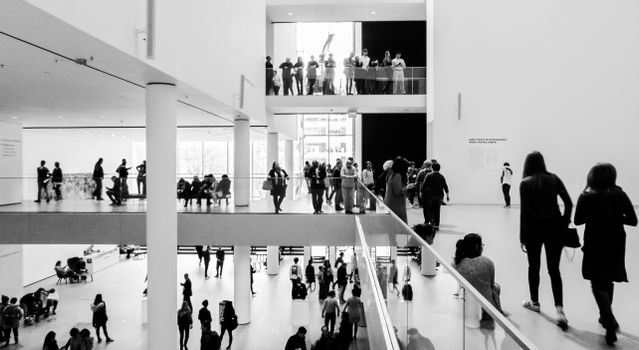
A dynamic black and white image of people in a modern museum setting. Photo: Bjorn Pierre / Pexels
Visiting the myriad art museums in New York City can be an exhilarating experience, but it can also be overwhelming without proper planning. To make the most of your cultural journey and avoid common pitfalls, consider these expert tips. First and foremost, prioritize your interests. NYC's art scene is vast, and trying to see everything will lead to burnout. Focus on one or two major museums per day, or choose a specific neighborhood and explore the galleries within it. This allows for deeper engagement with the art rather than a rushed, superficial glance. For instance, you could dedicate a full day to the Upper East Side, combining The Met with a visit to the Guggenheim or the Frick, or explore Chelsea's numerous galleries. Another crucial tip is to check admission policies and hours in advance. Many museums offer specific free admission days or 'pay-what-you-wish' hours, which can significantly reduce costs. For example, MoMA often has free Friday evenings, and the Bronx Museum of Art is always free. However, these times can also be the most crowded, so weigh the cost savings against the desire for a quieter experience. Booking tickets online is almost always recommended, especially for popular institutions like MoMA or the Whitney, as it helps you bypass long lines and guarantees entry, particularly during peak tourist seasons or for special exhibitions. Don't forget to look for combo tickets or city passes if you plan on visiting multiple attractions, as these can offer substantial savings. Avoid the mistake of over-scheduling. Museum fatigue is real; standing and walking for hours can be exhausting. Plan for breaks, utilize museum cafes, or step outside for some fresh air. Many museums have beautiful gardens or outdoor spaces that provide a refreshing pause. Also, remember that photography policies vary widely; always check signage or ask staff before snapping pictures, especially with flash. Finally, embrace the unexpected. While planning is good, sometimes the most memorable experiences come from stumbling upon a small gallery or an unadvertised exhibition. Allow yourself some flexibility to explore and discover the less-beaten artistic paths. By following these tips, you'll ensure your visits to art museums in New York City are enriching, enjoyable, and free from unnecessary stress. **Key Mistakes to Avoid:** * **Not checking opening hours:** Many museums close early or are closed on specific days (often Monday or Tuesday). * **Ignoring special exhibitions:** These are often limited-time and can be highlights of your visit; check schedules early. * **Trying to see too much:** Focus on quality over quantity to avoid museum fatigue. * **Forgetting comfortable shoes:** You'll be doing a lot of walking, so prioritize comfort. * **Not utilizing museum apps/maps:** These can be invaluable for navigation and discovering highlights.

Comparison

FeatureThe MetMoMAGuggenheimWhitney
Primary FocusGlobal, 5000 years of artModern & ContemporaryModern & Contemporary (spiral)20th-21st C. American
Architecture StyleBeaux-ArtsInternational StyleFrank Lloyd Wright ModernRenzo Piano Modern
Admission Price (Adult)$30 (NYC residents 'pay-what-you-wish')$25$30$30
Free/Discounted Entry✓ (NYC residents/students)✓ (Free Fridays 4-8 PM)✓ (Pay-what-you-wish Saturdays 6-8 PM)✗ (Some discounts available)
Average Visit Time3-5+ hours2-4 hours1.5-3 hours2-3 hours

What Readers Say

"The Met was an absolute dream! I spent an entire day there and still felt like I only scratched the surface. The Egyptian collection and European paintings were breathtaking, truly a highlight of my trip to New York City."

Sarah J. · Boston, MA

"MoMA exceeded all my expectations. Seeing 'The Starry Night' in person was an unforgettable experience. The film collection and rotating exhibitions make it a must-visit for any modern art lover exploring art museums in New York City."

Michael T. · London, UK

"The Guggenheim's architecture alone is worth the visit, but the art inside is equally captivating. I managed to see a fantastic Kandinsky retrospective and felt completely immersed in the unique spiral design."

Emily R. · Chicago, IL

"The Whitney offers a fantastic look at American art, and the views from the terraces are incredible. Sometimes the contemporary pieces can be a bit challenging, but it definitely sparks conversation and new perspectives."

David L. · Brooklyn, NY

"I loved exploring the Frick Collection. It felt like stepping back in time into a private, opulent home filled with masterpieces. It's a quieter, more intimate experience compared to the larger art museums in New York City."

Jessica M. · San Francisco, CA

Frequently Asked Questions

What are the must-see art museums in New York City for a first-time visitor?

For a first-time visitor, the absolute must-sees are The Metropolitan Museum of Art (The Met) for its encyclopedic collection and the Museum of Modern Art (MoMA) for its unparalleled modern and contemporary art. These two offer a comprehensive introduction to the city's artistic wealth and cater to a wide range of interests.

Are there any free art museums or free admission days in NYC?

Yes, many art museums in New York City offer free or 'pay-what-you-wish' admission. The Bronx Museum of Art, El Museo del Barrio, and the National Museum of the American Indian are always free. The Met has a 'pay-what-you-wish' policy for New York State residents and students, while MoMA and the Guggenheim offer free entry on specific evenings. Always check their official websites for current schedules.

How do I plan a multi-museum visit efficiently?

To plan efficiently, group museums by geographic location (e.g., Upper East Side for The Met and Guggenheim, or Midtown for MoMA). Purchase tickets online in advance to save time. Consider a city pass if visiting many attractions. Most importantly, don't try to cram too much into one day; museum fatigue is real. Allocate at least 2-3 hours per museum, more for larger ones like The Met.

Is it worth buying a New York CityPASS for museum visits?

A New York CityPASS can be a good value if you plan to visit several of the included attractions, which often feature major art museums like The Met and MoMA. Calculate the individual ticket costs versus the pass price for your specific itinerary. If you're only seeing one or two museums, individual tickets might be more cost-effective. It often saves time on entry queues as well.

What's the difference between The Met and MoMA?

The Met (Metropolitan Museum of Art) offers a vast, encyclopedic collection spanning over 5,000 years of global art, from ancient artifacts to classical European paintings. MoMA (Museum of Modern Art) focuses specifically on modern and contemporary art from the late 19th century to the present day, showcasing groundbreaking works and movements in painting, sculpture, photography, and more. They represent different historical and stylistic scopes.

Who would most enjoy visiting the Whitney Museum of American Art?

The Whitney Museum of American Art is ideal for those interested in 20th and 21st-century American art, including painting, sculpture, drawing, photography, and film. It's particularly appealing to visitors who enjoy contemporary art, experimental works, and a focus on American identity and culture, often featuring works by living artists and a commitment to diverse perspectives.

Are the art museums in New York City accessible for visitors with disabilities?

Generally, yes. Most major art museums in New York City are committed to accessibility, offering features like accessible entrances, elevators, wheelchairs for loan, and programs for visitors with various disabilities. It's always recommended to check the specific museum's website or contact their visitor services department directly for detailed information on their accessibility services and any special accommodations you might require.

How is the NYC art museum scene evolving in the future?

The NYC art museum scene is constantly evolving, with a growing emphasis on diversity, inclusion, and digital engagement. Museums are increasingly showcasing underrepresented artists and cultures, utilizing technology for immersive experiences, and expanding their educational outreach. Expect more interactive exhibits, community-focused programming, and a continued push towards making art accessible to broader audiences, reflecting the city's dynamic cultural landscape.

Embark on an unforgettable cultural adventure through the unparalleled art museums in New York City. Whether you're a seasoned art connoisseur or a curious first-timer, this guide provides the insights to craft your perfect itinerary. Start planning your journey into the heart of NYC's artistic soul today.

Topics: art museums in new york cityNYC art galleriesNew York cultural institutionsMetropolitan Museum of ArtMoMA
Leo List
Brampton weed
Adultwork EstrelaBet Vai de Bet R7 Bet Betão Galera Bet Rainbet Bet9ja Shop SportyBet BetKing Sisal Loto Foot Hollywoodbets YesPlay Odibets RushBet Jugabet BetWarrior BetCity MSport betPawa Fortebet