
Unlocking Wellbeing: Art Therapy Benefits for Mental Health
Harness the transformative power of creative expression to nurture your mind and spirit, promoting profound healing.
Explore Your CreativityKey Takeaways
- ✓ Art therapy is a recognized mental health profession utilizing creative processes for emotional exploration and healing.
- ✓ It's effective for all ages and requires no prior artistic skill, focusing on the process, not the product.
- ✓ Benefits include reduced anxiety, improved self-esteem, enhanced communication, and processing trauma.
- ✓ Art therapy engages both hemispheres of the brain, facilitating holistic healing and self-awareness.
How It Works
You'll meet with a certified art therapist to discuss your needs, history, and what you hope to achieve. Together, you'll establish personalized therapeutic goals for your journey.
The therapist guides you through various art-making activities like drawing, painting, sculpting, or collage. The focus is on expressing feelings and experiences without judgment, using the art medium as a safe conduit.
After creating, you'll discuss your artwork with the therapist. This reflective dialogue helps you understand the emotions, thoughts, and insights that emerged during the creative process, connecting them to your life experiences.
Through repeated sessions, you'll gain deeper self-awareness and develop coping strategies. The insights gained from art therapy are then integrated into your daily life, fostering lasting personal growth and mental wellbeing.
The Science Behind Art Therapy's Impact on Emotional Regulation
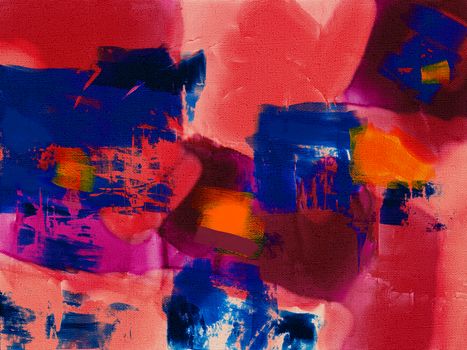 Photo: Steve A Johnson / Pexels
Enhancing Self-Awareness and Personal Growth Through Creative Expression
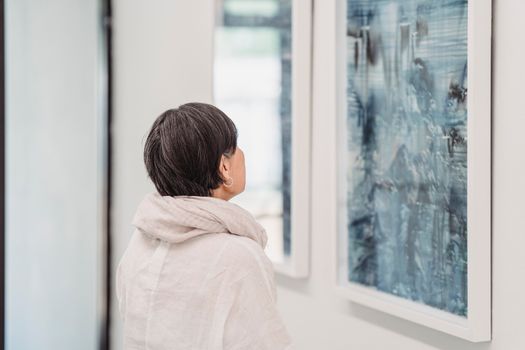 Photo: Greta Hoffman / Pexels
Trauma Processing and Stress Reduction Through Artistic Expression
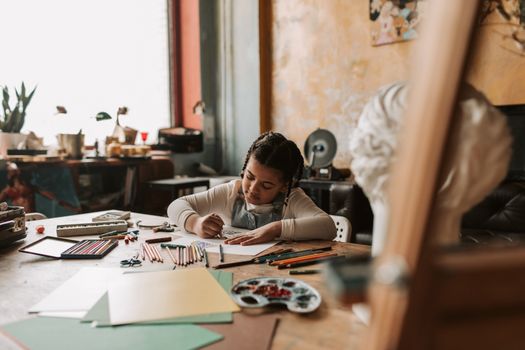 Photo: Vlada Karpovich / Pexels
Practical Tips for Integrating Art into Your Mental Wellness Routine
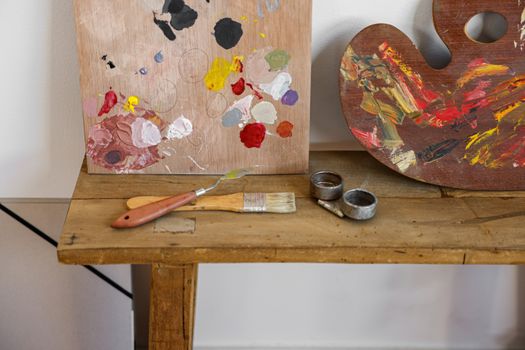 Photo: Cup of Couple / Pexels
Comparison
| Feature | Art Therapy | Traditional Talk Therapy | Mindfulness Meditation | Physical Exercise |
|---|---|---|---|---|
| Primary Medium | Creative Arts | Verbal Communication | Breath/Body Awareness | Physical Activity |
| Access to Unconscious | High (non-verbal, symbolic) | Moderate (requires verbalization) | Moderate (observational) | Low (indirect) |
| Emotional Expression | Direct & Symbolic | Verbal Description | Observation & Acceptance | Release/Distraction |
| Requires Artistic Skill | ✗ | ✓ (verbal articulation) | ✗ | ✗ |
| Sensory Engagement | High | Low | Moderate | High |
| Trauma Processing | Excellent (non-verbal, gradual) | Good (can be re-traumatizing if rushed) | Good (grounding, awareness) | Moderate (release, body connection) |
What Readers Say
"Art therapy helped me process grief in a way words never could. I started drawing my feelings, and it was like unlocking a secret language within myself. The benefits for my mental health have been truly transformative."
Sarah J. · Austin, TX"As someone who struggled with anxiety, I was skeptical at first, but the art therapy benefits for mental health are real. It taught me to be present, to express my worries visually, and to find a sense of calm I hadn't experienced in years."
Mark D. · Seattle, WA"Through art therapy, I finally understood the roots of my chronic stress. My therapist guided me to create pieces that reflected my inner turmoil, and by giving it form, I gained control. My sleep improved, and I feel significantly lighter."
Emily R. · Denver, CO"I found art therapy to be a powerful complement to my traditional therapy. It wasn't always easy, and some sessions were challenging, but the insights gained from my creations were invaluable for my personal growth. It's a different way to heal."
David L. · Miami, FL"My son, who is on the autism spectrum, struggled with communicating his emotions. Art therapy provided him with a safe and effective outlet. We've seen incredible improvements in his emotional regulation and self-expression, highlighting the core art therapy benefits for mental health in children."
Jessica M. · Chicago, ILFrequently Asked Questions
What are the primary art therapy benefits for mental health?
The primary art therapy benefits for mental health include improved emotional regulation, reduced stress and anxiety, enhanced self-esteem and self-awareness, facilitation of trauma processing, and better communication skills. It offers a non-verbal avenue for expressing complex feelings and experiences, leading to holistic healing and personal growth.
Do I need to be artistic or have any special skills to benefit from art therapy?
Absolutely not. One of the core principles of art therapy is that the process of creation is paramount, not the artistic skill or the final product. Art therapists are trained to guide individuals of all skill levels, focusing on self-expression and insight rather than aesthetic quality. Everyone can benefit from the creative process.
How do I find a qualified art therapist?
To find a qualified art therapist, look for professionals credentialed by the Art Therapy Credentials Board (ATCB) in the US, typically holding ATR (Registered Art Therapist) or ATR-BC (Board Certified Art Therapist) designations. You can search their directory or consult with your primary care physician or mental health provider for referrals to ensure you're working with a trained specialist.
What is the typical cost of art therapy, and is it covered by insurance?
The cost of art therapy can vary widely based on location, the therapist's experience, and whether it's individual or group therapy, typically ranging from $75 to $200 per session. Coverage by insurance depends on your plan and the therapist's credentials; many art therapists are licensed mental health professionals, making their services eligible for insurance reimbursement, but it's crucial to verify with your provider beforehand.
How does art therapy compare to traditional talk therapy for mental health issues?
While both aim to improve mental health, art therapy offers a distinct approach by utilizing non-verbal, creative expression, engaging both hemispheres of the brain for holistic processing. Talk therapy primarily relies on verbal communication. Art therapy is particularly beneficial for those who struggle to verbalize emotions, have experienced trauma, or prefer a more hands-on, sensory approach, often complementing talk therapy effectively.
Who can most benefit from art therapy?
Art therapy can benefit a wide range of individuals across all age groups. It's particularly effective for those dealing with trauma, anxiety, depression, grief, chronic illness, relationship issues, or developmental challenges. It also helps individuals seeking to improve self-esteem, communication skills, or simply looking for a unique pathway to self-discovery and personal growth.
Are there any risks or negative side effects associated with art therapy?
When conducted by a qualified and ethical art therapist, art therapy is generally very safe. The primary 'risk' is the potential for uncomfortable emotions to surface as you explore your inner world, which is a natural part of the healing process. A skilled therapist will provide a safe, supportive environment to process these feelings, ensuring they are managed constructively without re-traumatization.
What are the emerging trends in art therapy for mental health?
Emerging trends in art therapy include increased integration with digital art tools, virtual reality (VR) for immersive therapeutic experiences, and its growing application in community and public health settings. There's also a rising focus on neuroaesthetics, exploring the brain's response to art-making, and its use in preventative mental health and fostering resilience across diverse populations.
Embrace the transformative journey of creative expression. Explore the profound art therapy benefits for mental health and discover a unique path to healing, self-discovery, and lasting wellbeing. Your canvas awaits.