Unveiling the Masterpieces: Art Museums in New York City
art museums in New York City

Unveiling the Masterpieces: Art Museums in New York City

Dive into the unparalleled artistic tapestry of NYC, from ancient wonders to contemporary marvels.

Start Your Art Journey

Key Takeaways

  • ✓ New York City boasts over 80 art museums, ranging from world-renowned institutions to intimate galleries.
  • ✓ Many museums offer free admission days or 'pay-what-you-wish' policies, making art accessible to all.
  • ✓ The Metropolitan Museum of Art alone houses over two million works spanning 5,000 years of global culture.
  • ✓ Beyond Manhattan, boroughs like Brooklyn and Queens offer diverse and innovative art museum experiences.

How It Works

1
Identify Your Artistic Interest

Consider what art periods or styles intrigue you most. NYC has museums dedicated to modern art, classical works, photography, and more.

2
Research Museum Offerings

Visit museum websites to check current exhibitions, admission prices, operating hours, and any special events or tours.

3
Plan Your Visit Logistics

Factor in travel time between museums, potential crowd levels, and dining options. Many museums have cafes or are near excellent restaurants.

4
Immerse Yourself in the Art

Take your time to appreciate the collections. Consider guided tours or audio guides for deeper insights into the artworks and artists.

The Crown Jewels: Iconic Art Institutions in NYC
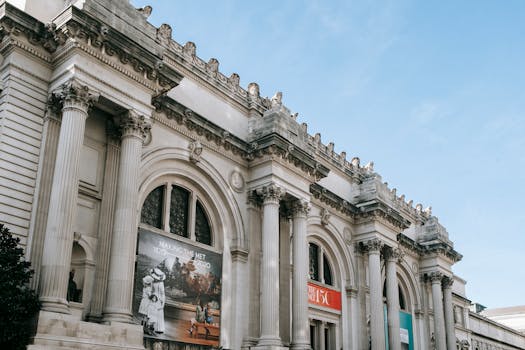
From below of exterior of Metropolitan Museum of Art located in New York City under cloudless blue sky Photo: Charles Parker / Pexels
New York City's reputation as a global cultural capital is largely cemented by its unparalleled array of iconic art institutions. These aren't just museums; they are sprawling complexes of human creativity, housing millennia of artistic endeavors under their magnificent roofs. To truly grasp the essence of art museums in New York City, one must begin with the titans. The Metropolitan Museum of Art, affectionately known as 'The Met,' stands as a colossus on Fifth Avenue. Its sheer scale and the breadth of its collection are dizzying. Imagine wandering through ancient Egyptian temples, European painting galleries featuring works by Vermeer and Rembrandt, vast halls dedicated to Greek and Roman art, and intricate Asian art collections – all within a single visit. It would take days, if not weeks, to fully absorb everything The Met has to offer, making each visit a unique exploration. From the armor and arms of medieval knights to modern masterpieces and contemporary installations, The Met is a journey through art history itself. Its rooftop garden, open during warmer months, offers breathtaking views of Central Park and the city skyline, providing a serene counterpoint to the artistic intensity within its walls. Just a short stroll away, the Solomon R. Guggenheim Museum, designed by the visionary Frank Lloyd Wright, is an architectural marvel in its own right. Its distinctive spiral ramp invites visitors to ascend through a continuous exhibition space, offering a unique perspective on the modern and contemporary art it houses. The collection focuses heavily on Impressionist, Post-Impressionist, early Modern, and contemporary art, with an emphasis on artists like Vasily Kandinsky, Paul Klee, and Piet Mondrian. The building itself is an integral part of the artistic experience, a sculpture to contain sculptures. The seamless flow from one level to the next encourages a contemplative viewing experience, and the central rotunda often hosts striking large-scale installations. The Guggenheim's commitment to modernism makes it a crucial stop for anyone interested in the evolution of 20th-century art and beyond. Further downtown, the Museum of Modern Art (MoMA) is arguably the world's most influential museum of modern art. Its collection is a comprehensive survey of modern and contemporary art, from the late 19th century to the present day. Here, you'll encounter seminal works like Van Gogh's 'The Starry Night,' Picasso's 'Les Demoiselles d'Avignon,' and Warhol's 'Campbell's Soup Cans.' MoMA's commitment extends beyond painting and sculpture to include photography, film, architecture and design, and even performance art, making it a truly multidisciplinary institution. Its expansive galleries are meticulously curated, offering insights into the movements and individual geniuses who shaped modern artistic expression. The museum also features a beautiful sculpture garden, a tranquil oasis in the heart of Midtown, where visitors can reflect amidst masterpieces by Rodin and Matisse. Each of these institutions, in its own distinct way, contributes to the rich tapestry of art museums in New York City, offering an unparalleled opportunity to engage with humanity's creative spirit. For more on the performing arts, check out our guide to NYC's theater scene.

Beyond the Behemoths: Niche Museums and Hidden Gems
Contemporary art museum exterior with reflective glass facade against a blue sky. Photo: REFARGOTOHP / Pexels
While the major institutions rightfully draw massive crowds, the true depth of art museums in New York City lies in its diverse array of niche museums and smaller, yet equally compelling, galleries. These establishments often offer a more focused and intimate viewing experience, allowing visitors to delve deeply into specific artistic movements, cultures, or mediums. The Frick Collection, housed in the opulent former residence of industrialist Henry Clay Frick, is a prime example. This exquisite museum offers a glimpse into the Gilded Age, presenting Old Master paintings, European sculpture, and decorative arts in a setting that retains the grandeur of a private home. Works by Vermeer, Rembrandt, Goya, and Renoir are displayed alongside antique furniture and porcelain, creating an immersive experience that feels both personal and profoundly historical. The tranquil Garden Court is a highlight, offering a moment of serene beauty. Another essential stop for those seeking a more specialized experience is the Whitney Museum of American Art. Located in the Meatpacking District, its striking building designed by Renzo Piano is a work of art itself. The Whitney is dedicated exclusively to American art of the 20th and 21st centuries, with a strong emphasis on living artists. Its collection is a dynamic chronicle of American creativity, featuring works by Edward Hopper, Georgia O'Keeffe, Jackson Pollock, and many contemporary figures. The museum's numerous outdoor terraces offer stunning views of the Hudson River and the Manhattan skyline, blending art appreciation with urban contemplation. The Whitney Biennial, held every two years, is a highly anticipated event that showcases the cutting edge of contemporary American art, making it a vital institution for understanding current artistic trends. For a journey into ancient cultures, the Brooklyn Museum stands as a formidable institution. While located outside Manhattan, it's easily accessible and well worth the trip. It boasts an encyclopedic collection, with particularly strong holdings in ancient Egyptian art, African art, and American art. Its Egyptian collection is considered one of the finest in the world, rivaling even The Met's in certain aspects. The museum also features groundbreaking contemporary exhibitions and a commitment to community engagement, making it a vibrant cultural hub in Brooklyn. Its grand Beaux-Arts building provides a dramatic setting for its vast and varied collections. Similarly, the Noguchi Museum in Long Island City, Queens, offers a unique insight into the work of Japanese-American sculptor Isamu Noguchi. Housed in his former studio and residence, the museum features a serene indoor-outdoor sculpture garden, presenting his stone, metal, and wood creations in a contemplative environment. These smaller, specialized art museums in New York City offer rich, focused experiences that complement the grandeur of the larger institutions, revealing the incredible breadth of artistic expression available throughout the boroughs.

Navigating the Art Scene: Tips for an Unforgettable Visit
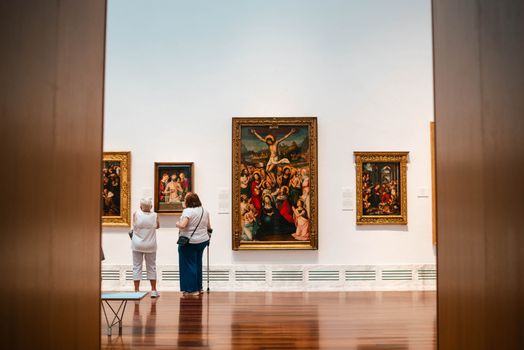
Visitors explore fine art paintings in a València gallery, capturing cultural appreciation. Photo: Patryk Balcerzak / Pexels
Embarking on an art museum journey in New York City can be an overwhelming, yet incredibly rewarding, experience. With so many world-class institutions, careful planning can significantly enhance your visit. One crucial tip is to prioritize. Attempting to see everything in a single museum, let alone multiple museums, in one day is a recipe for exhaustion and artistic fatigue. Instead, select a few key exhibitions or galleries that genuinely interest you within a museum, or focus on one major institution per day. Most museum websites offer detailed floor plans and current exhibition schedules, allowing you to map out your must-sees in advance. Consider purchasing tickets online ahead of time, especially for popular exhibitions or during peak tourist seasons. This can save you valuable time waiting in lines and allow you more time to appreciate the art. Another excellent strategy is to take advantage of 'free' or 'pay-what-you-wish' days/hours. Many art museums in New York City offer these opportunities, making art accessible to a wider audience. For example, The Met offers a 'pay-what-you-wish' policy for New York State residents and students from New Jersey and Connecticut, while MoMA has free admission on specific evenings. Always check the museum's official website for the most up-to-date information on admission policies, as these can change. Beyond cost, consider the time of day you visit. Weekday mornings, shortly after opening, are often the least crowded, offering a more serene viewing experience. Weekends and public holidays tend to be the busiest, so plan accordingly if you prefer a quieter atmosphere. Don't overlook the educational resources available. Many museums offer guided tours, audio guides, and even mobile apps that provide fascinating insights into the artworks and artists. These resources can deepen your understanding and appreciation, transforming a passive viewing into an interactive learning experience. Engaging with a knowledgeable docent or listening to an artist's perspective can unlock new layers of meaning in a piece. Furthermore, take breaks! Museum visiting can be physically demanding. Utilize the museum's cafes, gift shops, or outdoor spaces for a moment of rest and reflection. Hydrate and refuel to maintain your energy levels. Many museums are located near parks or other attractions, so consider combining your art visit with some outdoor relaxation or a meal at a local eatery. Remember, the goal is to enjoy and connect with the art, not to rush through it. For those interested in the broader cultural landscape, consider exploring other cultural experiences in NYC.

Contemporary Canvas: Exploring Modern and Experimental Art
Street view of Arte Museum in Las Vegas showcasing vibrant digital art on a sunny day. Photo: Abhishek Navlakha / Pexels
New York City's artistic pulse isn't solely rooted in historical masterpieces; it beats vigorously with the rhythm of contemporary and experimental art. The city is a global incubator for new ideas and groundbreaking expressions, and its art museums reflect this dynamic spirit. Beyond MoMA and the Whitney, several institutions are dedicated to showcasing the cutting edge of artistic innovation, pushing boundaries and challenging perceptions. The New Museum of Contemporary Art, located on the Bowery, is a prime example. It is the only museum in New York City exclusively devoted to presenting new art from around the world. Its distinctive stacked-box architecture houses thought-provoking exhibitions by emerging and under-recognized artists, making it a vital platform for discovering the next generation of artistic talent. The New Museum's focus on international contemporary art ensures a diverse and often challenging array of perspectives, sparking dialogue and critical engagement. Another significant player in the contemporary landscape is MoMA PS1 in Long Island City, Queens. As an affiliate of the Museum of Modern Art, PS1 is one of the oldest and largest non-profit contemporary art institutions in the United States. Housed in a repurposed public school building, it offers a raw and expansive space for large-scale installations, performance art, and experimental projects. MoMA PS1 is renowned for its commitment to showcasing experimental art forms and its annual 'Warm Up' summer music series in its outdoor courtyard, blending art, music, and community. Its emphasis on site-specific installations and immersive experiences makes it a unique destination for those seeking art that directly engages with its environment and challenges traditional display formats. For those interested in photography, the International Center of Photography (ICP) offers a deep dive into the medium's history and contemporary practice. With galleries and a school, ICP presents a rotating schedule of exhibitions that explore photography's role in social change, journalism, and artistic expression. From iconic documentary works to avant-garde experiments, ICP provides a comprehensive look at the power and versatility of the photographic image. Similarly, Dia Beacon, though technically outside NYC in the Hudson Valley, is an essential pilgrimage for serious contemporary art enthusiasts. Housed in a former Nabisco box printing factory, Dia Beacon presents large-scale works from the 1960s to the present by artists such as Richard Serra, Donald Judd, and Dan Flavin. The vast industrial space allows these monumental pieces to breathe, offering an unparalleled viewing experience. While a day trip, it undeniably extends the reach of New York's contemporary art influence. These institutions collectively ensure that the art museums in New York City remain at the forefront of artistic innovation, offering endless opportunities to explore the evolving landscape of modern and experimental art.

Comparison

FeatureThe Met (General)MoMA (Modern Focus)Whitney (American Focus)Frick (Old Masters)
Collection ScopeEncyclopedic, global, 5000 yearsModern & Contemporary (1880s-present)20th-21st Century AmericanOld Master paintings, European sculpture
Architecture StyleBeaux-Arts grandeurInternational Style, contemporaryIndustrial modern, Renzo PianoGilded Age mansion
Key HighlightsEgyptian Wing, European Paintings, Temple of DendurStarry Night, Les Demoiselles, Sculpture GardenHopper, O'Keeffe, Hudson River viewsVermeer, Rembrandt, intimate setting
Average Visit Time3-5+ hours2-4 hours2-3 hours1.5-2.5 hours
Accessibility✓ (Pay-what-you-wish for NY residents)✓ (Free Friday nights)✓ (Free for under 18)✗ (Paid admission)

What Readers Say

"The art museums in New York City are truly world-class. My visit to The Met was awe-inspiring; I spent an entire day and still felt like I only scratched the surface. The breadth of their collection is simply unmatched, from ancient artifacts to stunning European paintings."

Sophia R. · Boston, MA

"MoMA was an incredible experience. Seeing 'The Starry Night' in person was a dream come true, and the architecture and design exhibits were equally captivating. It’s an essential stop for any modern art enthusiast, perfectly showcasing the evolution of 20th-century art."

David L. · London, UK

"Living in NYC, I'm spoiled for choice with art museums. The Whitney Museum consistently impresses me with its commitment to contemporary American artists. Their exhibitions are always fresh and thought-provoking, and the views from the terraces are a bonus."

Elena P. · Brooklyn, NY

"The Frick Collection offered a wonderfully intimate art experience, a refreshing change from the larger museums. While smaller, the quality of the Old Master works is exceptional, though I do wish they had more flexible admission options."

Marcus J. · Chicago, IL

"We dedicated a full week to exploring the art museums in New York City, and it was the highlight of our trip. From the grandeur of The Met to the avant-garde exhibits at the New Museum, each place offered a unique window into human creativity. So much to see and learn!"

Chloe K. · Sydney, AUS

Frequently Asked Questions

What are the must-visit art museums in New York City for a first-timer?

For a first-timer, the absolute must-visits are The Metropolitan Museum of Art (The Met), the Museum of Modern Art (MoMA), and the Solomon R. Guggenheim Museum. These three offer a comprehensive overview of global art history, modern masterpieces, and iconic architecture, respectively. Each provides a distinct and unforgettable experience.

Are there any free or 'pay-what-you-wish' art museums in NYC?

Yes, several art museums in New York City offer free or 'pay-what-you-wish' admission, though policies can vary. The Met offers 'pay-what-you-wish' for NY State residents and students from NY, NJ, and CT. MoMA has free admission on specific evenings, and many smaller galleries are often free. Always check the museum's official website for current policies.

How can I best plan my visit to multiple art museums in New York City?

To plan effectively, group museums by location (e.g., Upper East Side for The Met and Guggenheim) or by artistic period. Purchase tickets online in advance to save time. Prioritize specific exhibitions or galleries within each museum to avoid fatigue, and factor in travel time between locations. Don't try to see too much in one day; quality over quantity is key.

Is it worth visiting art museums outside of Manhattan?

Absolutely! Visiting art museums outside of Manhattan, such as the Brooklyn Museum or MoMA PS1 in Queens, offers unique and often less crowded experiences. These institutions boast world-class collections, particularly in ancient Egyptian art (Brooklyn Museum) and contemporary experimental art (MoMA PS1), providing different perspectives on the art world.

How do contemporary art museums in NYC compare to traditional ones?

Contemporary art museums like the Whitney or New Museum focus on recent and current artistic expressions, often challenging traditional forms and themes. Traditional museums like The Met or Frick house historical masterpieces spanning centuries. Both are essential, offering different lenses through which to view human creativity; contemporary museums highlight ongoing dialogues in art, while traditional ones provide historical context.

Who should visit the art museums in New York City?

Anyone with an interest in culture, history, beauty, and human creativity should visit the art museums in New York City. From seasoned art connoisseurs to curious first-time visitors, students, families, and solo travelers – the diverse collections and engaging exhibitions offer something for every age and interest level.

Are the art museums in New York City safe to visit with children?

Yes, most art museums in New York City are very safe and welcoming to children. Many offer family-friendly programs, audio guides for kids, and interactive exhibits. It's advisable to check the museum's website for specific family resources and to plan shorter visits with younger children to maintain their engagement.

What are the emerging trends in art museums in New York City?

Emerging trends include a greater emphasis on digital engagement and virtual experiences, increased focus on diversity and inclusion in collections and narratives, and more interactive and immersive exhibitions. Museums are also increasingly becoming community hubs, hosting events beyond traditional art viewing, and integrating technology like augmented reality.

Embark on an unparalleled journey through human creativity and history. The art museums in New York City offer an endless tapestry of masterpieces waiting to be discovered, promising inspiration and wonder at every turn. Plan your visit today and immerse yourself in a world of artistic brilliance.

Topics: art museums in New York CityNYC art galleriesNew York cultural institutionsManhattan art scenebest art museums NYC