
Mastering the Art History Timeline: Major Periods Unveiled
Unlock the fascinating evolution of human creativity across millennia and gain a deeper appreciation for artistic expression.
Start Your Artistic JourneyKey Takeaways
- ✓ Art history spans over 40,000 years, beginning in the Upper Paleolithic era.
- ✓ Each major period reflects significant cultural, social, and technological shifts.
- ✓ Understanding the timeline helps contextualize and interpret artworks.
- ✓ Art movements often overlap, react to, or build upon previous styles.
How It Works
Begin by exploring cave paintings and early civilizations like Egypt and Mesopotamia. Understand how early societies used art for survival, ritual, and communication.
Delve into the Greek and Roman ideals of beauty and order, then transition to the spiritual focus of Byzantine and Gothic art. Observe the shift from humanism to divine emphasis.
Witness the rebirth of classical ideas, the drama of Baroque, the elegance of Rococo, and the revolutionary spirit of Neoclassicism and Romanticism. Follow art's journey through industrialization and societal change.
Navigate the diverse and often challenging landscape of 20th and 21st-century art, from Cubism and Surrealism to Pop Art and Postmodernism. Discover how artists continue to push boundaries and question norms.
Tracing the Roots: Prehistoric and Ancient Art Periods
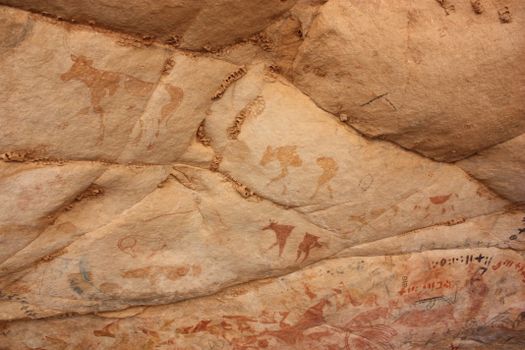 Photo: Baidou Ahmed / Pexels
Classical Ideals and Medieval Spirituality: From Greece to Gothic
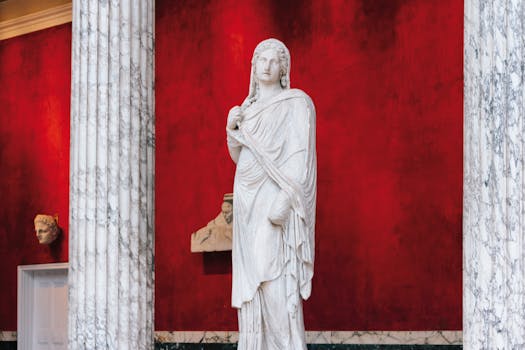 Photo: Erik Schereder / Pexels
Rebirth, Revolution, and Radical Change: Renaissance to Modernism
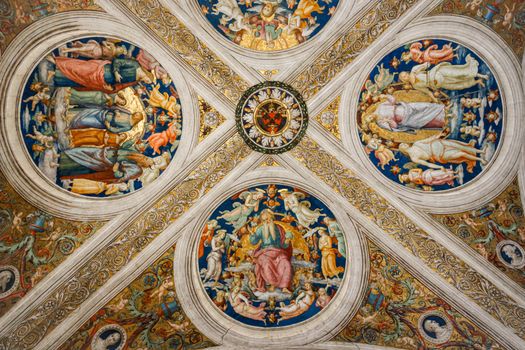 Photo: Magda Ehlers / Pexels
Navigating the Labyrinth: Contemporary Art and Its Challenges
 Photo: Steve A Johnson / Pexels
Comparison
| Feature | Classical Greece | Renaissance Italy | 20th Century Modernism | Contemporary Art (21st C.) |
|---|---|---|---|---|
| Key Focus | Idealized Human Form, Harmony | Humanism, Realism, Perspective | Breaking Tradition, Abstraction | Conceptual, Diverse, Global |
| Dominant Mediums | Sculpture (Marble/Bronze), Architecture | Painting (Oil), Fresco, Sculpture | Painting, Sculpture, Collage | Installation, Digital, Performance, Mixed Media |
| Artistic Values | Order, Proportion, Beauty | Innovation, Scientific Accuracy | Originality, Radicality, Emotion | Questioning, Inclusivity, Social Commentary |
| Impact on Society | Foundation of Western Aesthetics | Cultural Rebirth, Human-centric worldview | Challenged Norms, New Visual Language | Reflects Globalism, Technology, Identity |
What Readers Say
"This guide to the art history timeline major periods was incredibly thorough and easy to follow. It helped me connect the dots between different movements I'd studied individually. A truly premium resource!"
Sarah J. · Boston, MA"As an art enthusiast, I'm always looking for well-researched content. This article delivered, providing an excellent overview of key periods and their significance. Highly recommended for students and casual learners alike."
Mark D. · Los Angeles, CA"The depth of information provided on each major period is impressive. It allowed me to prepare a lecture with much greater nuance and a stronger chronological framework. My students benefited immensely from the clear distinctions."
Dr. E. Chen · New York, NY"While very comprehensive, I would have loved to see a few more examples of non-Western art integrated into the discussion, especially in the contemporary section. Still, a fantastic resource for the Western art history timeline major periods."
Jessica L. · Austin, TX"I used this article to brush up on my knowledge for an upcoming museum visit. It gave me the perfect context to appreciate the evolution of art from ancient times to modern masterpieces. Made my visit so much more meaningful."
Alex R. · Chicago, ILFrequently Asked Questions
What are the most essential art history timeline major periods to know?
The most essential periods typically include Prehistoric, Ancient (Egypt, Mesopotamia, Greece, Rome), Medieval (Byzantine, Romanesque, Gothic), Renaissance, Baroque, Rococo, Neoclassicism, Romanticism, Impressionism, Post-Impressionism, and the various movements of Modern and Contemporary Art. Each period represents a significant shift in artistic thought and practice, forming the backbone of Western art history.
Is it possible for art periods to overlap or influence each other?
Absolutely. Art periods rarely have strict start and end dates; they often overlap, coexist, and profoundly influence one another. Later movements frequently react against or build upon the aesthetics and philosophies of earlier ones, creating a dynamic and interconnected web of artistic evolution rather than a series of isolated events.
How can I effectively memorize the art history timeline major periods?
To effectively memorize the art history timeline, try creating your own visual timeline, associating key artworks and artists with each period. Use mnemonic devices, group similar movements, and look for connections and reactions between periods. Regular review and engaging with the art itself through books, museums, or online galleries can also significantly aid retention.
What is the value of studying the art history timeline?
Studying the art history timeline offers immense value by providing cultural context, enhancing critical thinking skills, and fostering a deeper appreciation for human creativity. It helps us understand how societies have expressed themselves, interpreted their world, and responded to historical events, offering insights into human nature and the evolution of ideas across millennia.
How does technology impact the development of art history timeline major periods?
Technology has consistently impacted art history, from the development of new pigments and tools in ancient times to the invention of oil paint during the Renaissance, which allowed for greater realism and depth. The Industrial Revolution introduced new materials and techniques, while photography challenged traditional painting. In contemporary art, digital media, virtual reality, and artificial intelligence are constantly opening new avenues for artistic expression and challenging established definitions of art.
Who should engage with the art history timeline major periods?
Anyone with an interest in culture, history, human expression, or creative fields can benefit from engaging with the art history timeline. It's particularly valuable for students, artists, designers, historians, and anyone seeking to understand the rich tapestry of human achievement and the evolution of visual communication across different eras and civilizations.
Are there any risks in oversimplifying the art history timeline?
Yes, a significant risk of oversimplifying the art history timeline is losing the nuance and complexity of artistic development. Oversimplification can lead to a reductive understanding of movements, ignoring the diverse voices and regional variations within a period, and overlooking the critical social, political, and philosophical contexts that shaped the art. It's important to remember that 'periods' are constructs used for organization, and reality is often more fluid.
What future trends might influence future art history timeline major periods?
Future art history timeline major periods will likely be heavily influenced by continued technological advancements (AI-generated art, immersive digital experiences), global interconnectedness fostering cross-cultural artistic dialogues, increasing focus on social and environmental issues, and the ongoing re-evaluation of historical narratives. We can expect even greater diversity in mediums, themes, and artist representation, challenging traditional notions of art and its purpose.
Embark on your journey through the art history timeline major periods today. Deepen your understanding, enrich your perspective, and connect with the profound human story told through art. Start exploring and let the masterpieces of history inspire you.